For decades, the border region between West Pokot and Turkana counties has been synonymous with cattle rustling, revenge attacks and chronic food shortages.
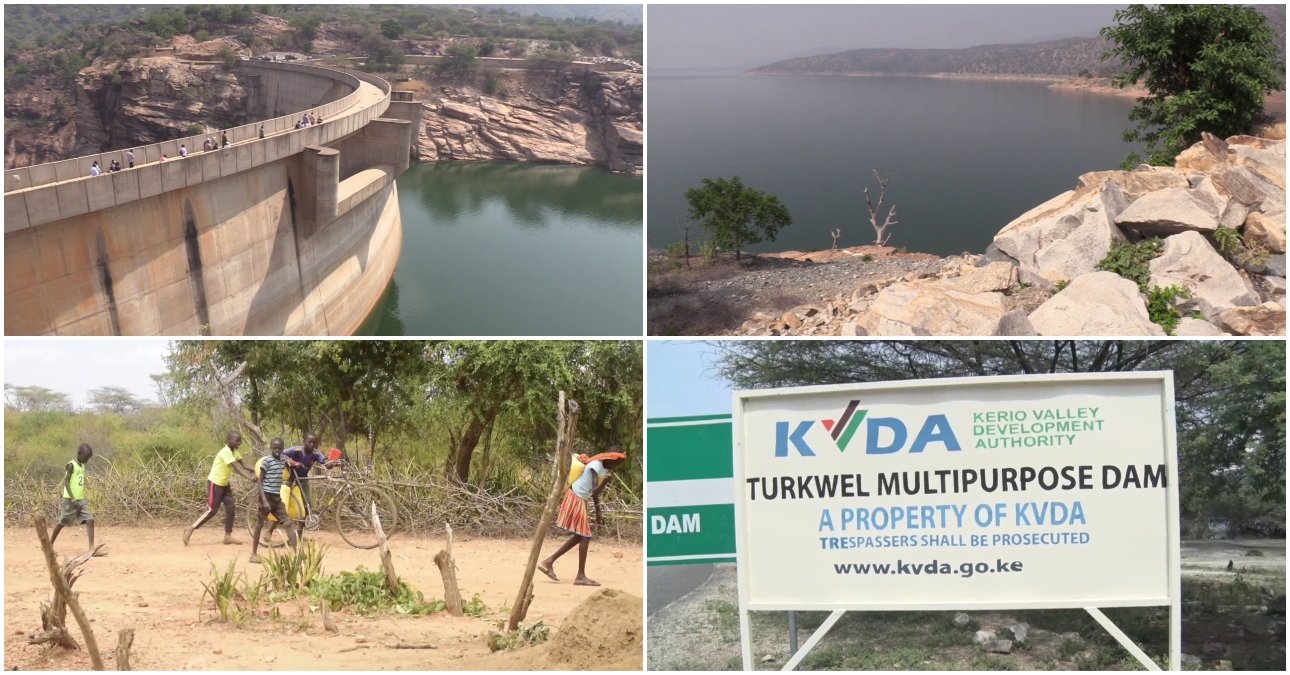
Now, leaders and residents want to rewrite that story by turning the conflict-prone zone into a vast food production belt anchored on the proposed Lower Turkwel Irrigation Project.
Speaking during a public participation meeting at Turkwel, Cabinet Secretary for East African Community, ASALs and Regional Development Beatrice Askul said the government had begun structured consultations to allow communities to decide whether to accept, reject or propose changes to the multi-billion-shilling project.
“This project will benefit the people of West Pokot, the people of Turkana and the country at large. But land is a sensitive and emotional issue. That is why we must come to the people, explain the project and listen to them before anything is done,” Askul said.
She said Kenya had also engaged Uganda because of the cross-border nature of the Turkwel basin, adding that discussions had already taken place at the level of President William Ruto and the Ugandan leadership.
“Development cannot be imposed. It must be agreed upon by the people,” she said, adding that the next phase of the project would only proceed after public views are fully considered.
Askul said the irrigation scheme offered a rare chance to transform an area that has remained poor despite having enormous natural resources, including the Turkwel Dam.
“We want to change these battlefields into farming zones. This area is very fertile, and the dam is just here with a huge volume of water. But because of insecurity, investors have stayed away and our people have remained poor,” she said.
She noted that the region has long been trapped in a cycle of violence linked to cattle rustling, where one incident quickly triggers revenge attacks at grazing fields, water points and along roads.