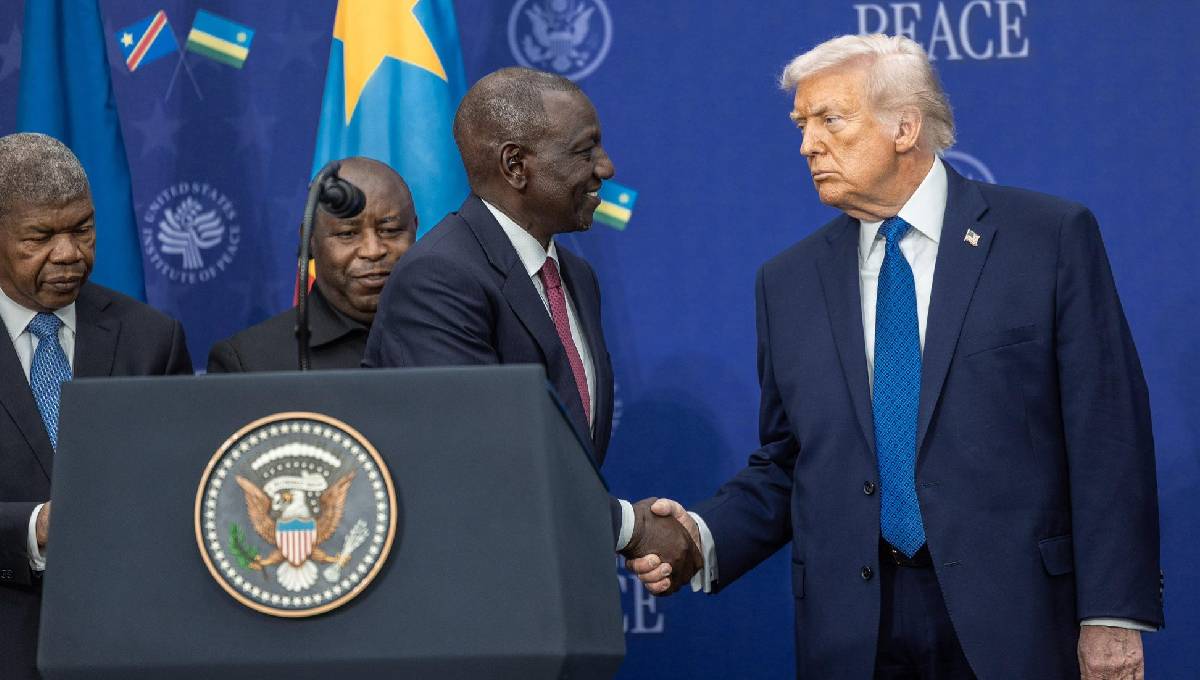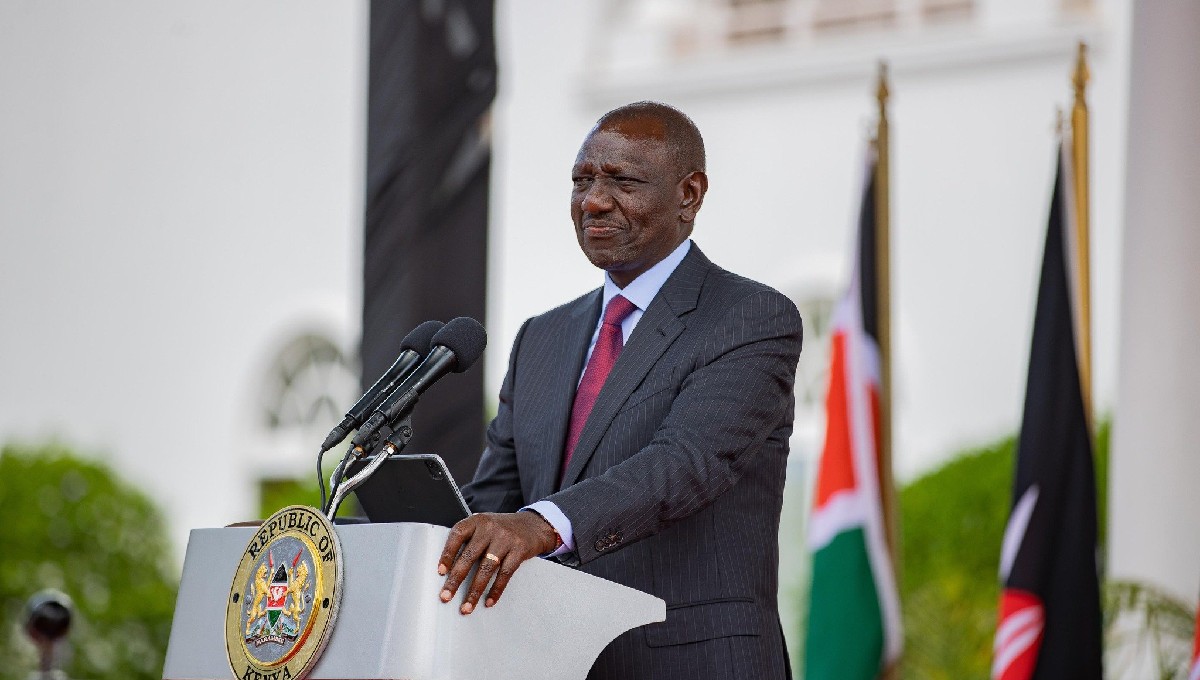
A panel of experts to effect the compensation of victims of demonstrations and public protests has defended President William Ruto’s decision to design a compensation plan for victims of police brutality and protest-related injuries, saying it is a lawful and humanitarian move aimed at helping Kenyans who have long been left without justice.
According to submissions filed in court , they argue that Kenyans injured or bereaved during demonstrations have had no proper system for compensation unless they filed individual court cases a process that is often expensive, slow, and out of reach for many victims.
The panel led by Professor Makau Mutua argue that the panel was established to design a fair and transparent framework for identifying, verifying, and compensating genuine victims not to replace courts or take over the work of any existing institution.
They explained that the panel’s main job is to collect and verify data of real victims in partnership with agencies like KNCHR, IPOA, the National Police Service, and the Ministry of Health; engage victims’ families, civil society, and religious groups to ensure fairness ,recommend reforms and report to the President within a 120-day period.
“The panel does not have powers to pay anyone or prosecute cases it only gives recommendations that will later be reviewed by the Treasury, Parliament, and other oversight bodies,” reads court papers
Additionally they claim that the President was responding to repeated calls from the church, human rights groups, and the opposition for the government to help victims of protest violence in a humane and transparent way.
It pointed out that Kenya has previously carried out similar programs for example, payments to post-election violence victims in 2007/2008, funds for internally displaced persons (IDPs), and the Senate motion in 2024 calling for compensation of protest victims.
However, in the past, such programs faced problems like fake beneficiaries and missing records.
They argue that the current panel was formed to prevent such misuse by collecting real data before any money is released.
They insist that the President acted within the Constitution, which gives him powers to coordinate the functions of the national executive under Articles 131 and 132.
In the suit papers they further claim that appointing advisory panels or taskforces is a normal executive function used to collect information and design policies not to make laws or deliver court judgments.
Similarly they reminded the court that other countries such as South Africa, Nigeria, and the United States have used similar administrative systems to compensate victims of mass harm, showing that such approaches are legitimate and lawful.
Petitioners challenging the panel claim that it overlaps with the mandate of independent commissions like the Kenya National Commission on Human Rights (KNCHR) and that it could lead to misuse of public funds or privacy breaches.
But the respondents that the fears are unfounded, since the panel’s work is strictly advisory, guided by the Public Finance Management Act (PFMA) and the Data Protection Act to ensure all processes are audited and transparent.
They urged the court not to stop the panel’s work, saying doing so would deny justice to thousands of Kenyans who cannot afford court cases.
“The panel is not about politics,” the government said. “It is about compassion, fairness, and healing for families who have suffered during protests. The process is legal, time-bound, and accountable.” reads court papers