PAWA254 today launched a landmark research report titled “The Role of Artivism in Advancing Socio-Economic and Political Development in Kenya” at Pride Inn Azure Hotel, Westlands, Nairobi.
The event brought together a cross-section of leaders from the legislature, civil society, development partners, and the creative sector, highlighting the growing recognition of artivism as a critical force in Kenya’s democratic, social, and economic transformation.
The report explores how artivism – the intersection of artistic expression and civic activism – has shaped public discourse, amplified marginalized voices, fostered civic engagement, and influenced socio-political change in Kenya. It also interrogates persistent structural barriers facing artivists, including limited institutional recognition, policy gaps, funding constraints, and increasing risks to artistic freedom.
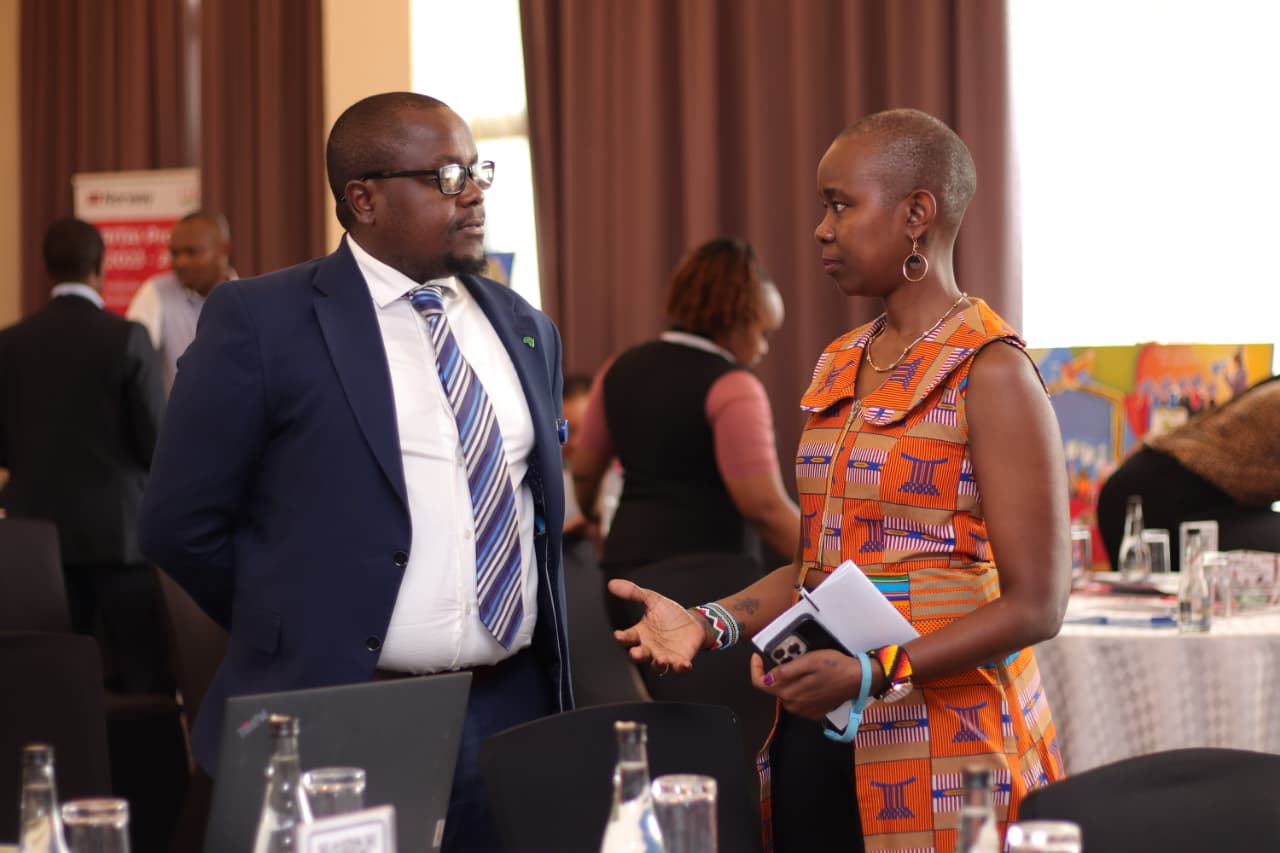
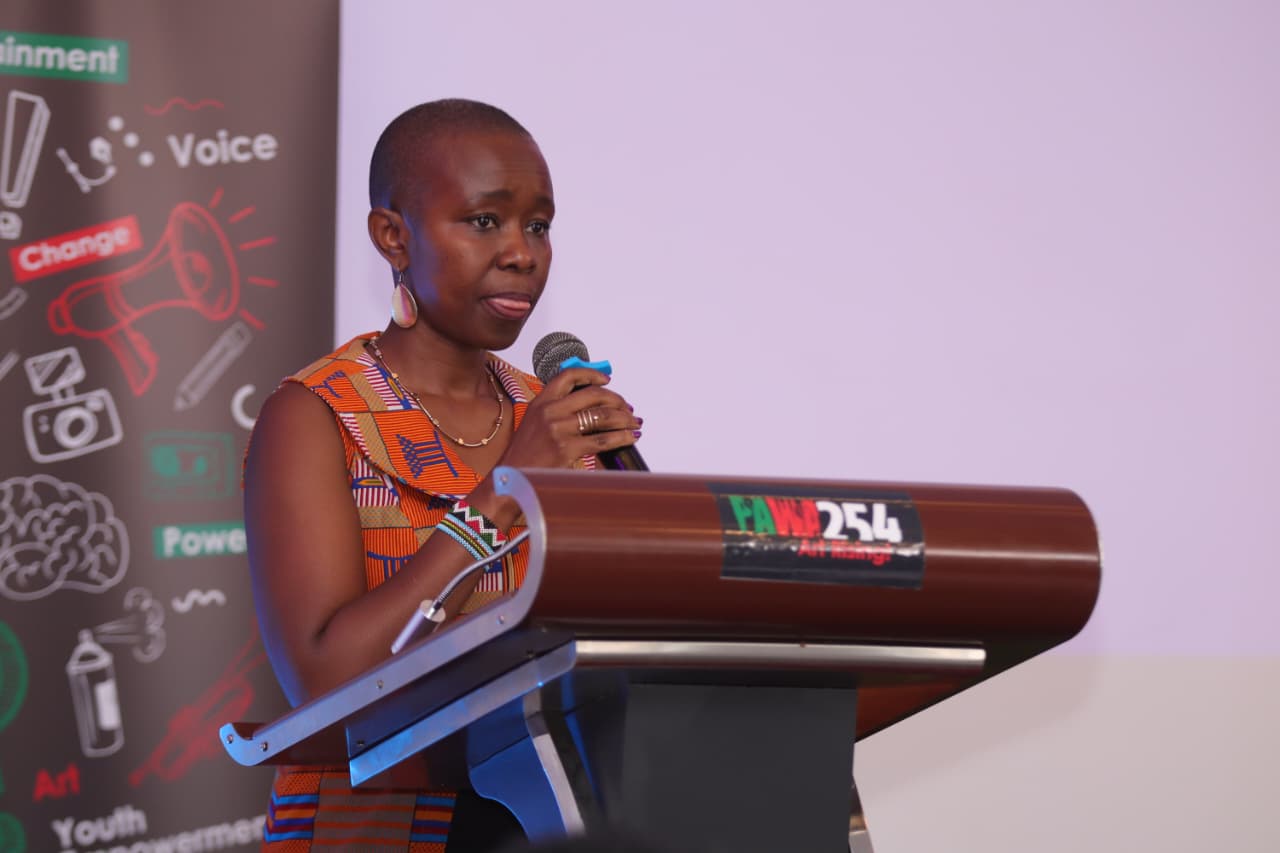
Speaking during the launch, Njeri Mwangi, Executive Director, PAWA254, underscored the urgency of repositioning creativity as a tool of civic power.
“We need to link creativity to civic power where we move art beyond expression to influence. This report reminds us of three hard truths: First, artivism is doing governance work long before policy arrives. Secondly, creative expression often reaches communities that formal civic processes never do. Third, despite its impact, artivism remains structurally under-recognized, under-protected, and under-funded.”
The launch featured a high-level panel discussion that examined the role of artivism in governance, digital civic engagement, inclusion of youth, women, and persons with disabilities, legal and regulatory challenges, and the sustainability of Kenya’s creative economy.
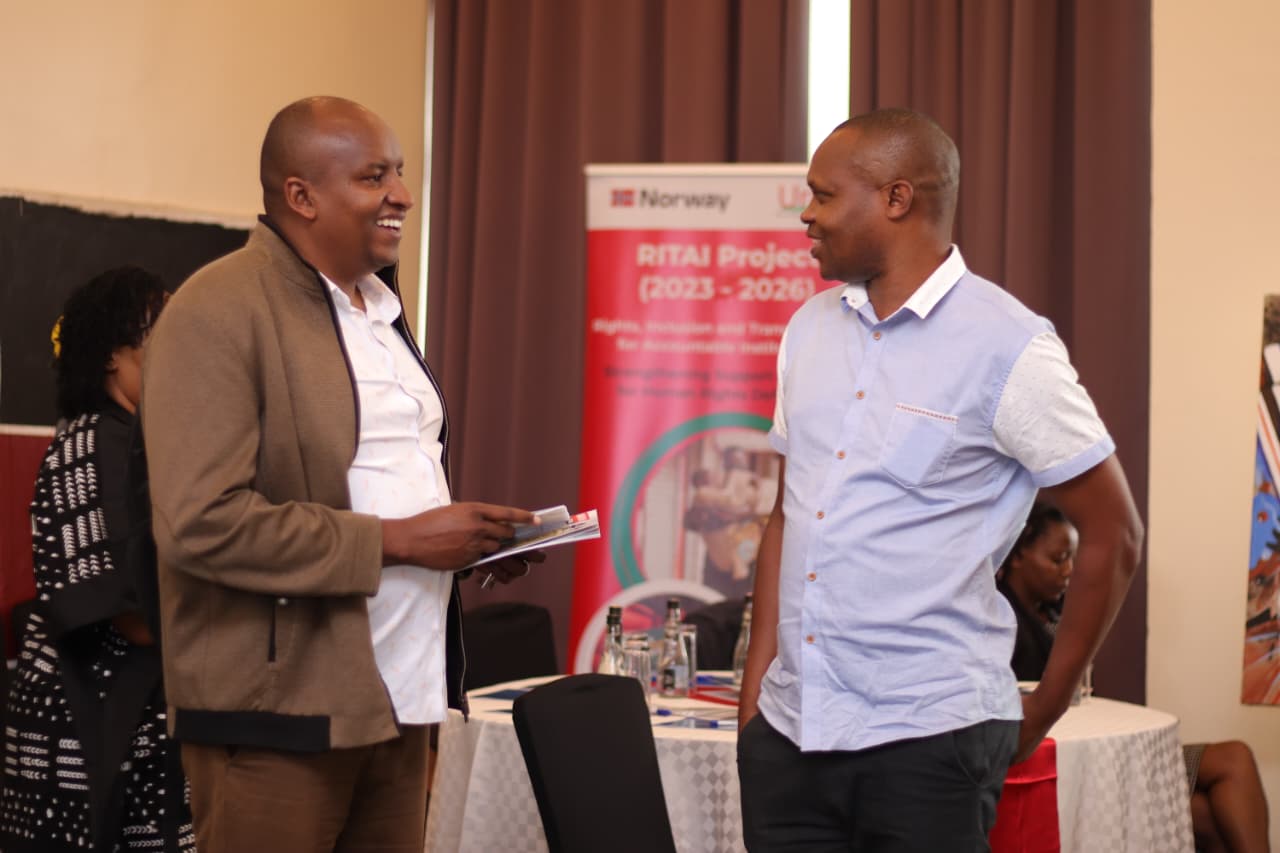
The launch featured a high-level panel discussion that examined the role of artivism in governance, digital civic engagement, inclusion of youth, women, and persons with disabilities, legal and regulatory challenges, and the sustainability of Kenya’s creative economy.
Reflecting on the report’s relevance to both the arts and governance sectors, Boniface Mwali, Project Manager at the British Council, said: “I’d like to congratulate the PAWA254 team for putting this report together and bringing it to life. This will definitely be a valuable guide for players in the arts and
governance sectors, especially in reaching and empowering the youth.”
Senator Crystal Asige, who has been a performing artist for several years, emphasized the responsibility of creatives in moments of national transition. She called on artists to actively shape the country’s future.
“It is a very pivotal moment in the country. We are in a very pivotal space. We need more creatives to use their voices, their platforms, and their art to speak to the time because no one else can inspire change and action the way artists do.”
The report concludes with actionable recommendations for government, development partners, civil society, and the private sector, including integrating artivism into national and county development frameworks, strengthening legal and psychosocial protections for artivists, expanding inclusive creative infrastructure, and unlocking sustainable financing models.
PAWA254 noted that the findings are intended to catalyze continued dialogue, policy reform, and cross-sector collaboration to ensure artivism is recognized not only as cultural expression, but as a legitimate and transformative driver of Kenya’s socioeconomic and political development.