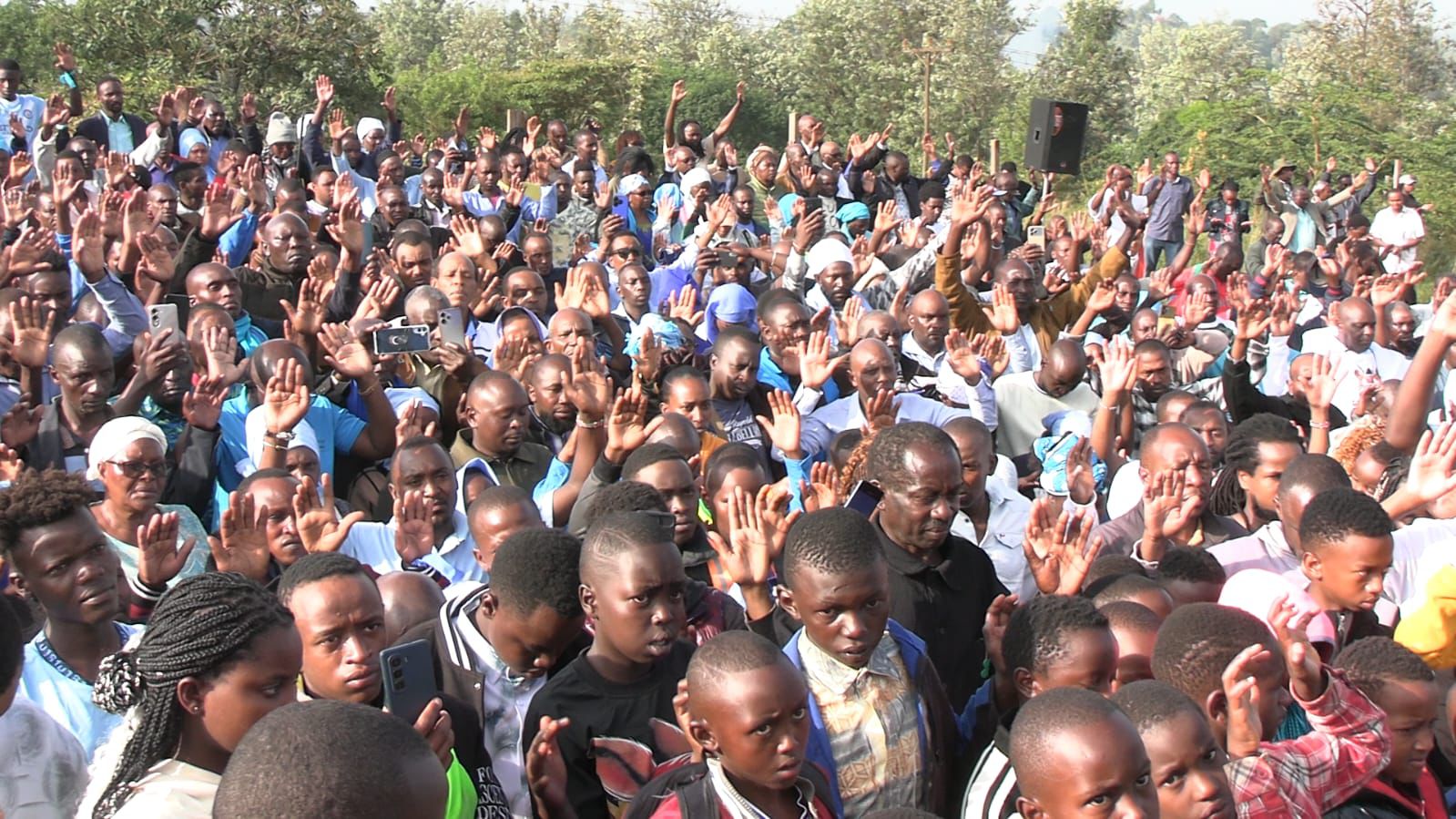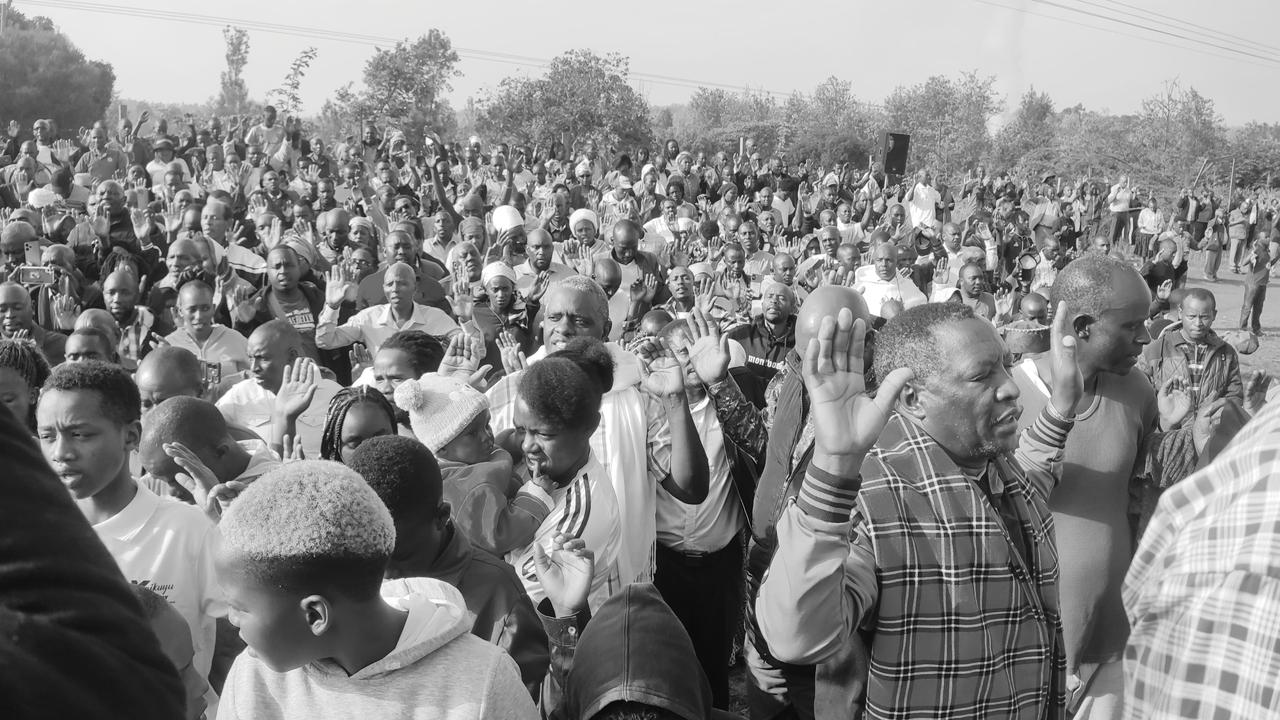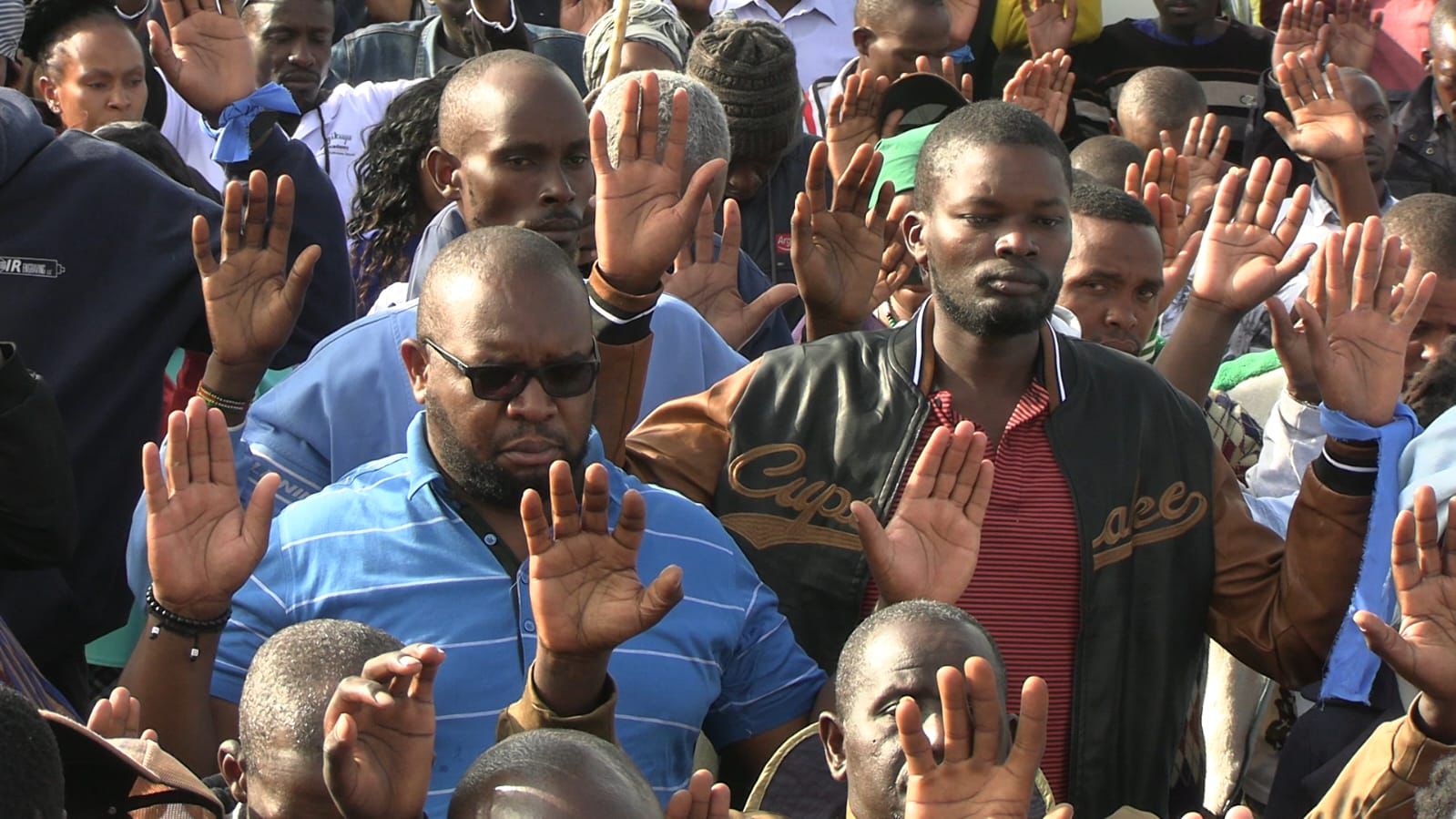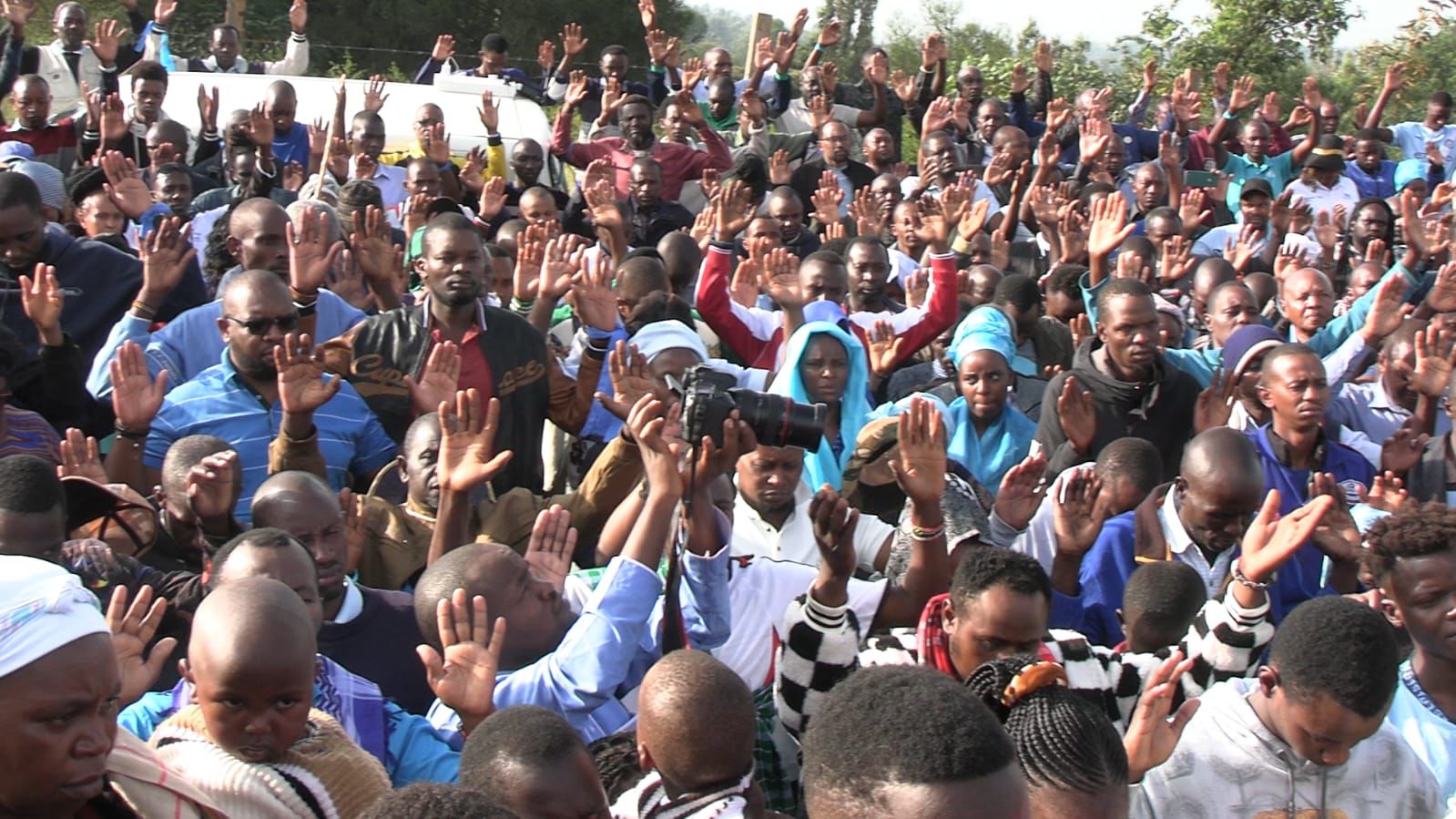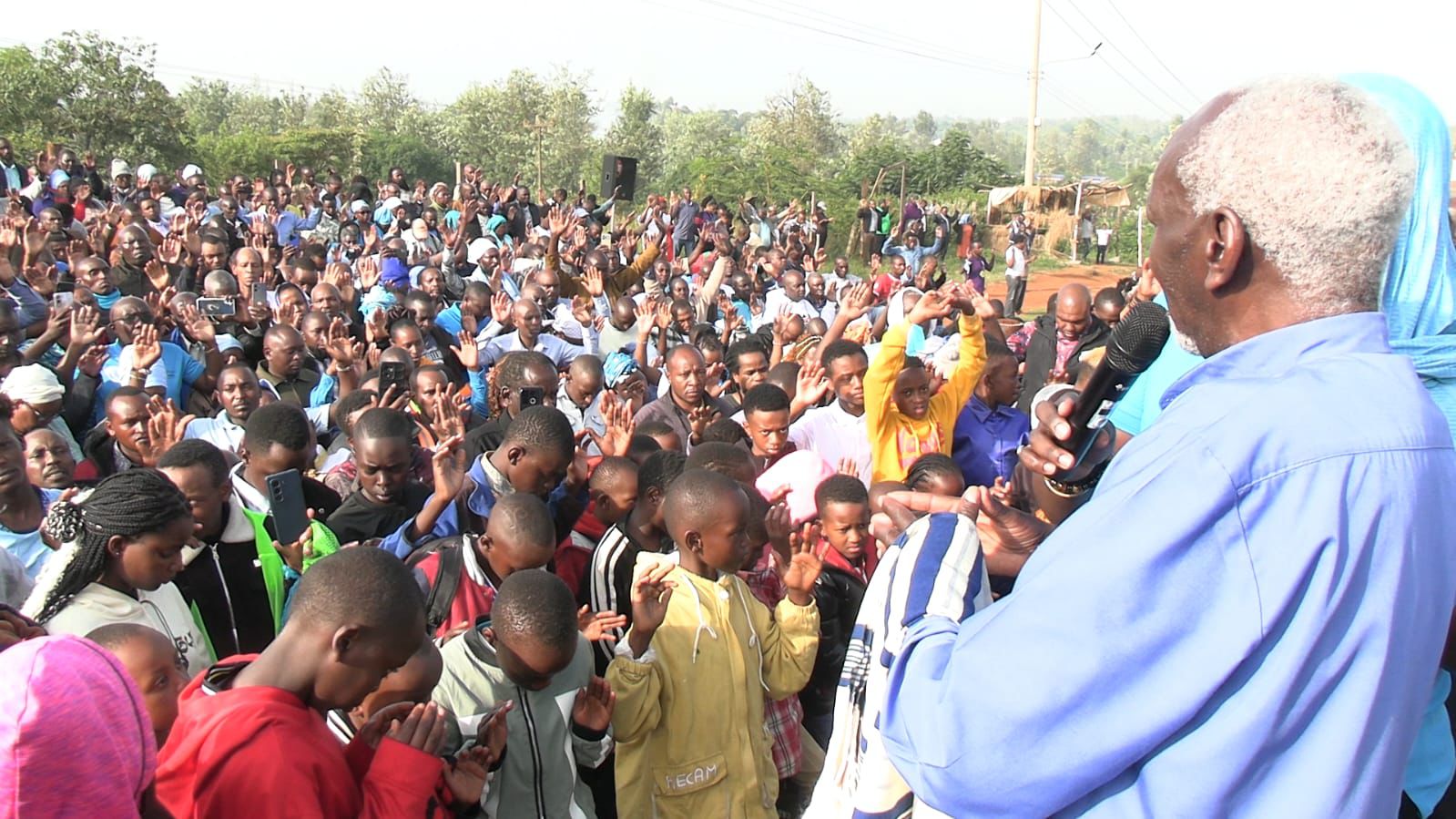
Hundreds of pilgrims on Friday converged at Samson Corner in Kirinyaga County, at the foothills of Mount Kenya, for the annual national prayers, using the sacred gathering to call out leaders accused of fuelling divisions and disunity.
The faithful—elderly men and women, youth and children—spread out across farms and coffee plantations around Samson Corner, raising their hands and pouring out prayers while facing the snow-capped mountain. The intergenerational prayers, held every December 27, have grown into a major spiritual pilgrimage blending faith, culture and national reflection.
This year’s prayers for peace, unity and national integration were held at the request of national security agencies, who appealed to elders to seek divine intervention amid rising political temperatures in the region and beyond.
Leading the prayers, renowned Kikuyu elder and cultural custodian Samuel Kamitha, said security forces often bear the heaviest burden whenever instability erupts.
“Our brothers and sisters in uniform suffer first when violence breaks out,” Kamitha told the gathering. “They asked us to pray for peace and stability, and we have heeded that call. The only lasting solution is unity—through prayer and through rejecting voices that agitate for chaos.”
Kamitha warned that instability in neighbouring countries serves as a sobering reminder of the cost of division, urging Kenyans to choose cohesion over confrontation as the country heads into a new year.
Another convener, Karanja Mwangi, directly criticised politicians pushing narratives to split the Mt Kenya region into “east” and “west,” insisting that communities around the mountain are bound by history and shared sacrifice.
“We were placed here by God and united by blood spilled during the struggle for independence,” Mwangi said. “Before independence, each area around this mountain had a role, and that cooperation cemented our unity. That bond should never be broken for political gain.”
Elders also reflected on the deep historical and spiritual significance of Mount Kenya to the Agikuyu people. Oral tradition traces the mountain’s central place in community life back more than 200 years. It is said that when early European explorers asked Chief Kivoi the name of the mountain, he referred to it as Kĩrĩnyaga—a name that later evolved into “Kenya,” giving the nation its identity. In Kikuyu belief, the mountain is regarded as God’s resting place, making it a sacred site where prayers are believed to carry special weight.
Several pilgrims said they have attended the annual prayers for more than a decade and credit the gathering with personal and communal breakthroughs.
“Every year we come here to seek blessings, direction and peace,” said one long-time participant. “We have seen doors open and lives change after these prayers.”
As dusk settled over the foothills, the pilgrims dispersed peacefully, expressing hope that the prayers offered at Mount Kenya would help steer the nation toward unity, stability and shared prosperity in the year ahead.