
The National Authority for the Campaign Against Alcohol and Drug Abuse (NACADA) has intensified its campaign to raise Kenya’s drinking age from 18 to 21, describing the move as a critical step in protecting young people, especially university students, from alcohol and substance abuse.
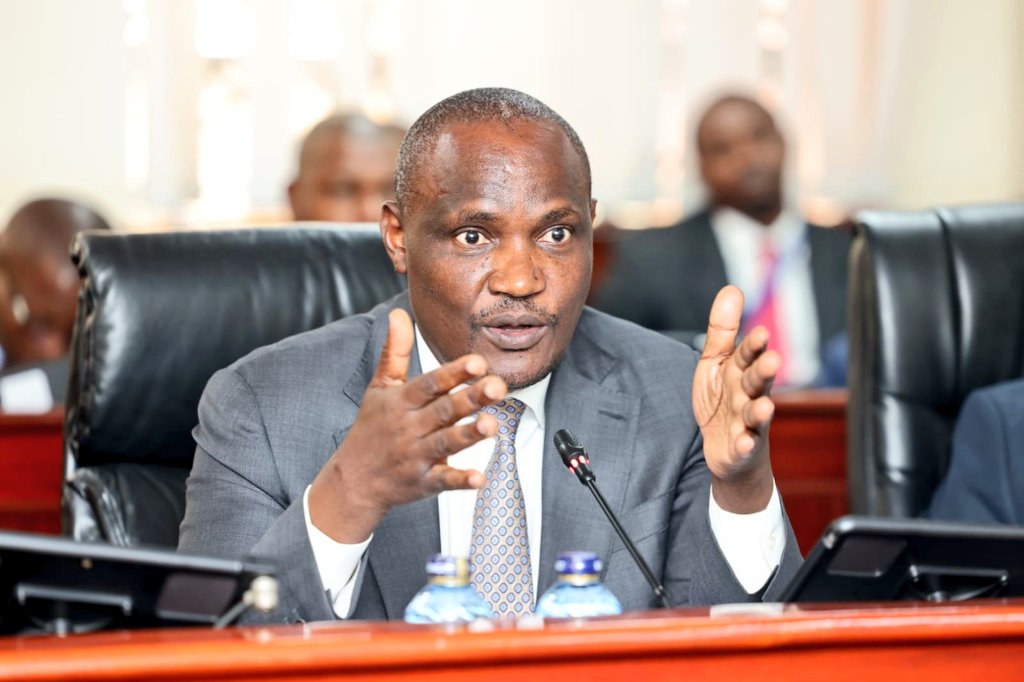
Speaking during an interview on Radio47’s Breakfast 47 show hosted by Alex Mwakideu and Emmanuel Mwashumbe, NACADA Board Chairperson Stephen Mairori said the proposal, once only a policy recommendation, is now being pushed towards legislation through the Senate and National Assembly.
Mairori emphasized that raising the drinking age would help shield university students from early exposure to alcohol, noting that public participation will be crucial in determining whether the proposal becomes law. He urged Kenyans to support the initiative when the legislative process begins.
“We are pushing to raise legal drinking age in Kenya from 18 to 21 years. Before it was just a policy, but now we are pushing it to a law. This is important in protecting our university students, and I hope that when the time for public participation comes, Kenyans will support this,” Mairori noted.
The proposal forms part of the National Policy on the Prevention of Alcohol, Drugs and Substance Use (2025), approved by Cabinet in July 2025 but yet to be enacted into law.
The policy introduces wide-ranging reforms aimed at reducing access to alcohol among young people and limiting substance abuse nationwide.
Among the measures proposed are banning alcohol sales near schools and places of worship, restricting marketing that targets youth, and establishing rehabilitation centers in every county.
The policy also seeks to outlaw digital alcohol sales, including vending machines and app-based deliveries, which NACADA says have created loopholes allowing minors easier access to alcohol.
The push follows a NACADA survey of more than 15,000 university students that revealed high levels of alcohol consumption alongside cigarette and shisha use.
NACADA now hopes Parliament will translate the policy into binding legislation to strengthen enforcement and prevention efforts across the country.