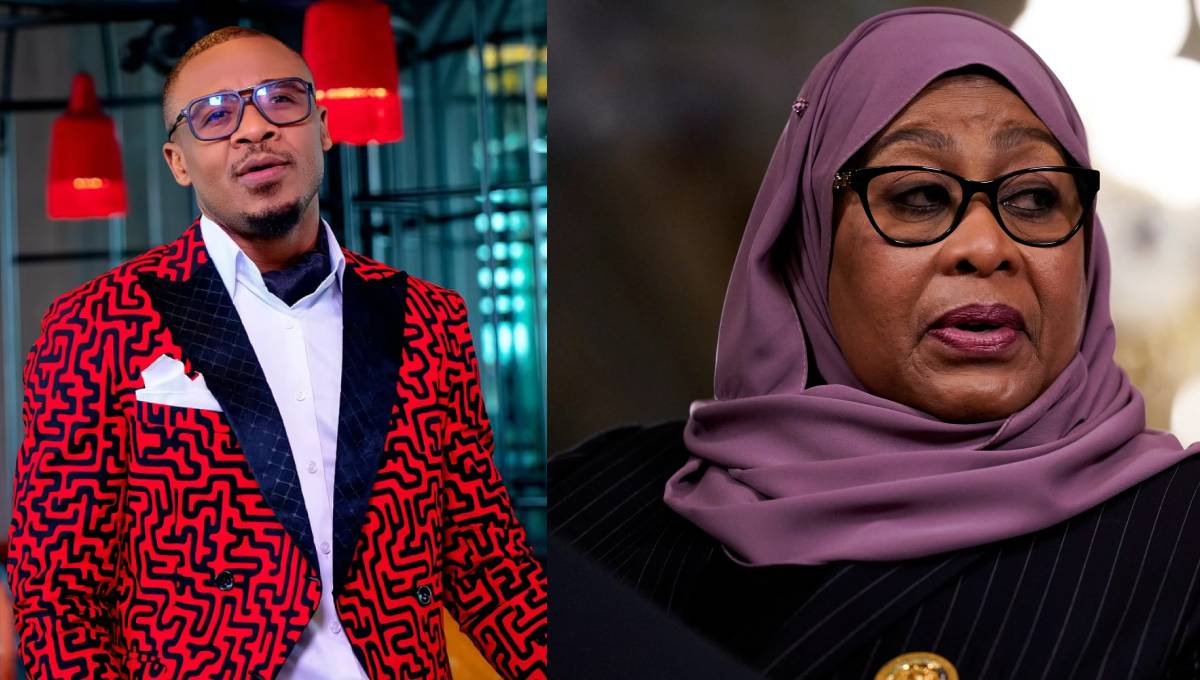
Ali Saleh Kiba, popularly known as Alikiba, one of Tanzania’s most loved music icons, has been forced to issue a public apology to the nation after fans initiated a mass social media unfollowing campaign targeting artists who supported President Samia Suluhu Hassan’s controversial re-election.
The 38-year-old star, a prominent figure in the Bongo Flava scene for over two decades, took to his Instagram story to address the growing fury among his fanbase.
“Poleni ndugu zangu Watanzania na ninawaomba msamaha kwa kuwakwaza,” Alikiba wrote, which translates to, “I am sorry, my fellow Tanzanians, and I beg your forgiveness for upsetting you.”

The apology comes in the wake of Tanzania’s October 29 general election, which secured President Samia Suluhu Hassan a new term with a reported 97.66% of the vote.
However, the electoral process has been widely criticized by international observers and the domestic opposition, led by the CHADEMA party, for lacking transparency and credibility.
The public’s discontent quickly spilled over from the political arena into the cultural sphere. Fans accused beloved celebrities, once seen as voices of the common people, of betraying their trust by aligning with the ruling Chama Cha Mapinduzi (CCM) party.
Alikiba found himself directly in the crosshairs after a prominent public appearance on On October 28, where he performed at President Samia’s final campaign rally at a packed Kirumba Stadium in Mwanza, sharing the stage with the leader amid a sea of the CCM party’s green and yellow colours.
This act was perceived by many fans as an endorsement of a disputed political process, triggering a wave of online protests. The coordinated mass unfollowing campaign saw thousands of Tanzanians unfollowing artists on social media platforms as a direct rebuke for their perceived political allegiance.


The digital protest was mirrored by physical unrest in major cities like Dar es Salaam, Dodoma, and Mwanza. Angry protesters targeted businesses owned by prominent celebrities.
An electronics shop owned by rapper Billnas was vandalized, while Shishi Food, a restaurant chain run by musician Shilole, was set ablaze. Fashion entrepreneur and singer Juma Jux also suffered significant losses after his boutique was burnt down among many others.
The backlash has sent shockwaves through Tanzania’s entertainment industry, forcing several artists into damage control.
Superstar Diamond Platnumz temporarily archived campaign-related content from his social media handles before restoring it. Alikiba’s direct apology, however, marks the most significant capitulation to public pressure so far.

While this is not the first time artists have openly backed an incumbent president in Tanzania, a similar trend was seen during the late President John Magufuli’s era.


Many citizens claim the artists are being funded or coerced into supporting a regime they view as oppressive, turning the musicians from cultural heroes into symbols of a disconnected elite.