A Bungoma prisons officer is transforming lives by stepping beyond the call of duty to ensure children of prisoners access quality education, offering hope to some of the most vulnerable learners in the community.
Chrispinus Wafula is a Kenya Prisons Service who hails from Mabusi village, Kanduyi Constituency, Bungoma County but stationed at Kakamega GK prisons.
Through personal sacrifice, partnerships with well-wishers and close follow-up with schools, the officer has helped keep children in class, shielding them from stigma, neglect and the risk of dropping out while their parents serve jail terms.
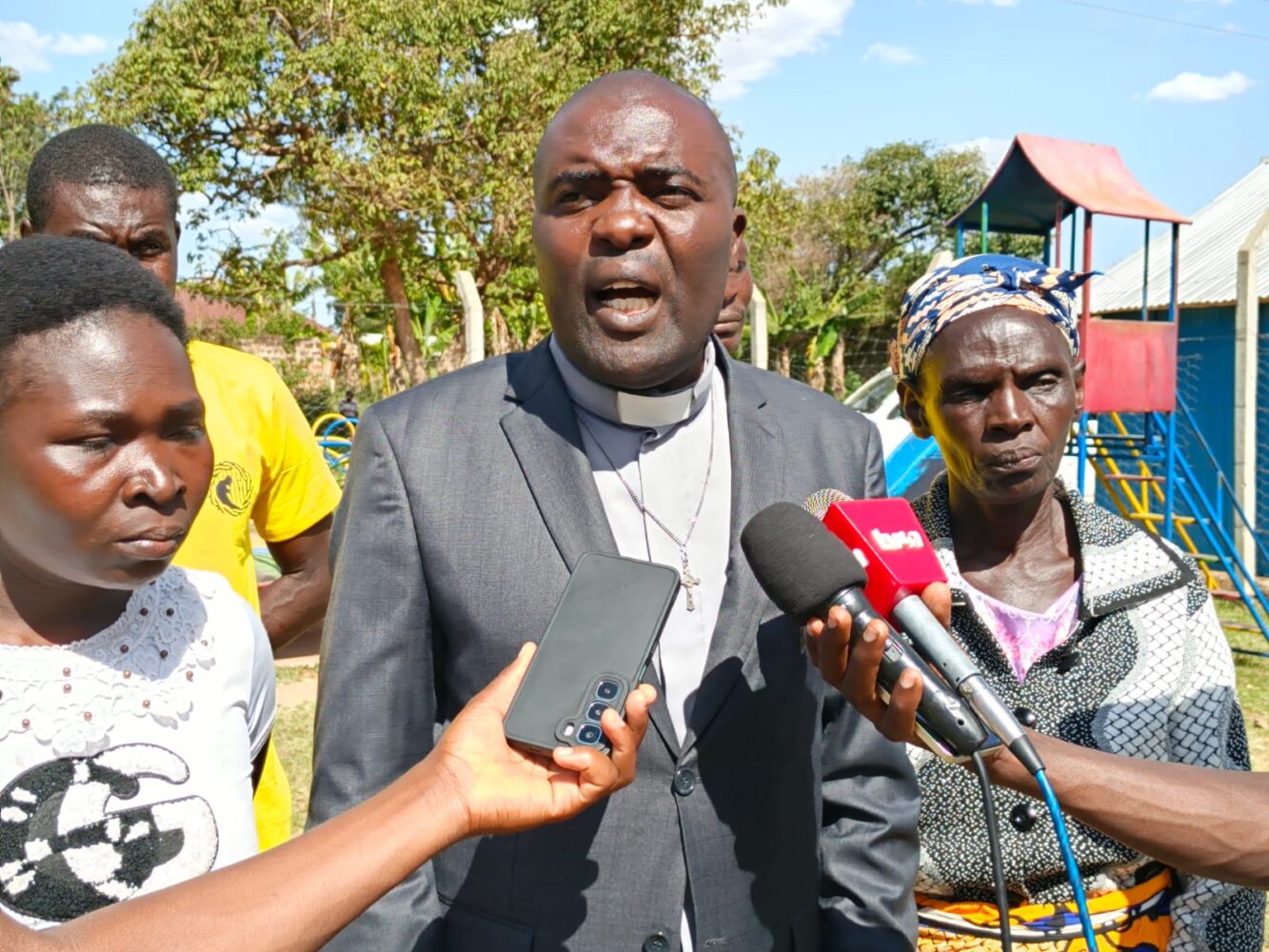
Addressing the media at Tabithan 2 children safe house in Bungoma on Saturday during the handing over of stationeries, Wafula said he came up with the idea of supporting prisoners’ children to access education like any other Kenya child.
“I realized that when parents are jailed their children go through a lot of challenges in the community and that is why I decided to bring together like minded individuals, we formed an organization; Prison Christian Ministries (PCM) , which is now advocating for the Prisoners’ children rights,” he said.
Wafula, who works at Kakamega prisons as a chaplain, reported that they established a center in Bungoma to bring all these children together, mentor, encourage and change their mind set.
He stated that the reason why they incorporated an education sponsorship for the children is because once parents are jailed, children are neglected, drop-out from school, abused and stigmatized.
“Most social service providers talk about public safety, prison reforms but rarely talk about children who lose parents in prison. That is why as a prison chaplain in the community I came up with a program to help children whose parents are jailed,” Wafula said.
He noted that the centre currently supports 34 children enrolled in various primary and secondary schools all of whom receive full sponsorship covering school fees, learning materials, uniforms and basic upkeep.
He affirmed that the initiative ensures the children enjoy a stable learning environment and equal opportunities alongside their peers, despite the challenges arising from their parents’ incarceration.
“Some are joining Grade 10 and it is the reason we are here to donate school materials to them to keep them in school,” he noted, adding that they are doing it to support the government’s 100% transition plan.
He further decried the large number of children in the community who remain at home due to a lack of resources to support their education, warning that the situation continues to expose many young learners to vulnerability, child labour and early dropouts.
He called for collective action from leaders, well-wishers and institutions to help bridge the gap and ensure every child has a chance to learn.
However, Wafula said that when a person is jailed, their children and family should not be punished for offences committed by their parents, noting that such children are often innocent victims of circumstances beyond their control.
He emphasized that stigmatization only deepens their vulnerability and limits their chances of building a better future.
“Instead of stigmatizing these children, we should support them to access education so that they can grow into responsible and productive members of the community,” Wafula said.
He added that he is working closely with local government officials, education stakeholders and community leaders to identify affected children and ensure they are enrolled and retained in school.
He revealed that during interactions with inmates, many often ask about the welfare of their families, expressing deep concern over whether their children are in school or receiving basic support.
Wafula observed that such anxiety weighs heavily on prisoners, noting that true rehabilitation cannot be achieved when an individual is mentally and emotionally tortured by uncertainty about their loved ones saying that supporting prisoners’ families, especially children plays a critical role in restoring inmates’ peace of mind and increasing the chances of successful rehabilitation and reintegration into society.
“The only sure way to motivate a prisoner is to take his/her children to school and ensure that their families are at peace,” he said.
Wafula rallied the government to consider putting in place a clear policy framework to support and sponsor children whose parents are jailed, arguing that such learners are often left out of existing social protection and education support programmes.
He noted that many of these children are not formally captured in any government database, making it difficult for them to access bursaries, scholarships or other forms of assistance, despite being among the most vulnerable in society.
Wafula demystified a notion that cops are bad people, saying that they are not only there to rehabilitate people but also doing something in the community to champion for education. He reported that they are targeting 10 counties before 2027 to increase reach.
“We are already having centers in Murang’a, Kisumu, Kakamega, Mombasa and Homa Bay counties,” he said, noting that they are targeting 1,000 children in the country.
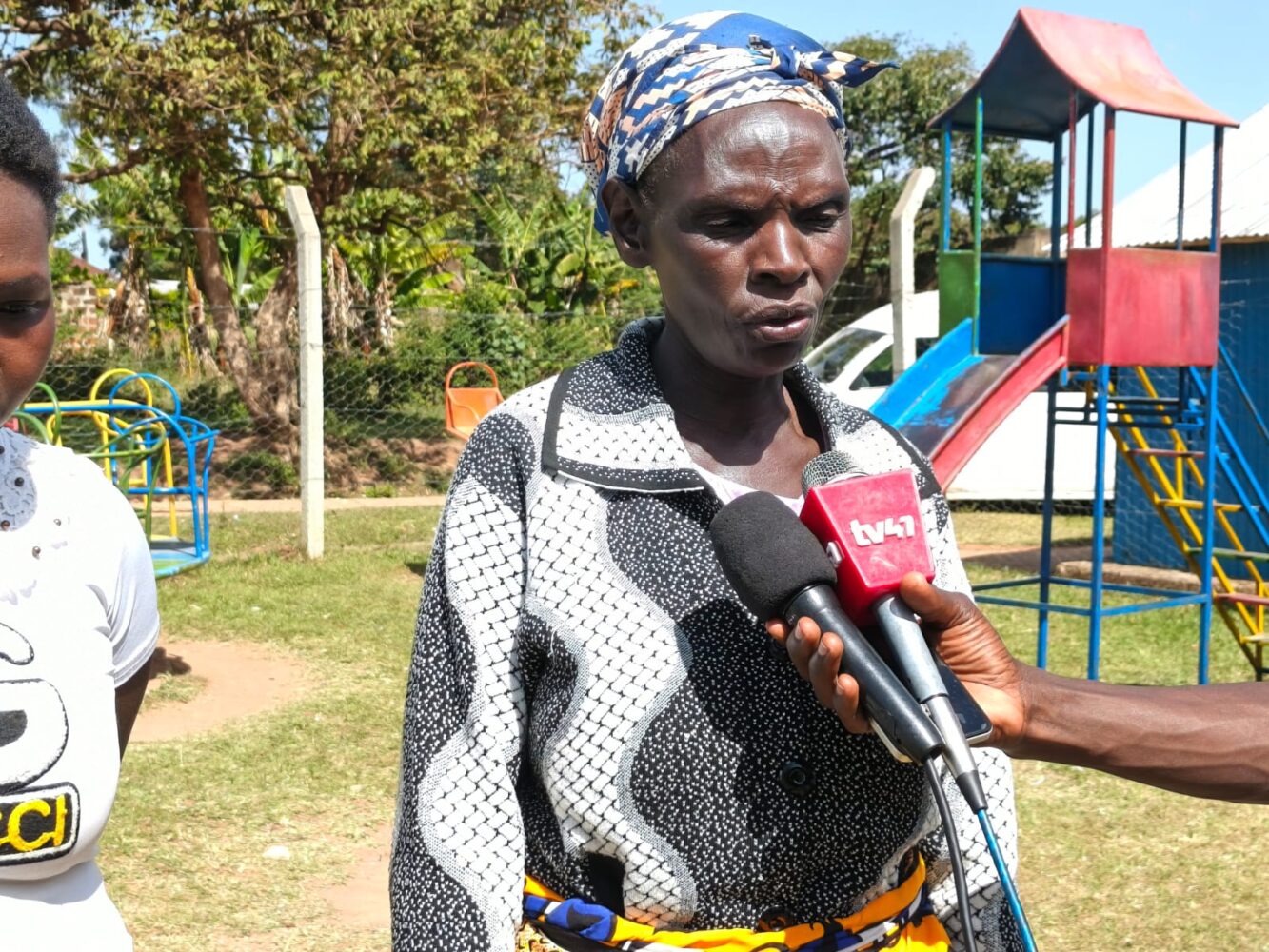
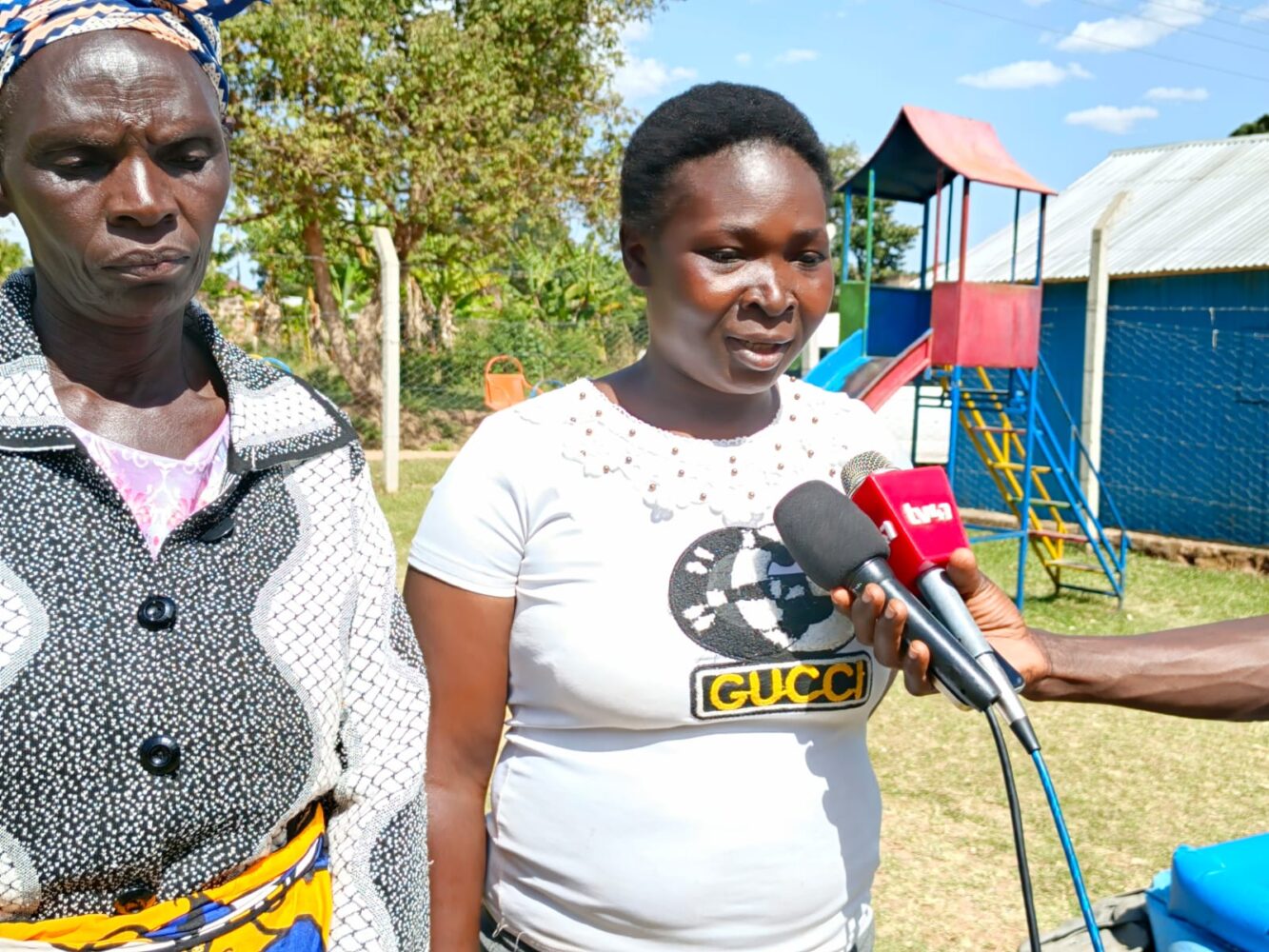
Judith Nasambu, one of the beneficiaries of the initiative, recounted the hardship her family endured after her son was sentenced to 10 years in prison. She said the family was largely neglected, leaving her grandchildren vulnerable and unable to continue with their education.
Nasambu explained that her breakthrough came after she learned about the Prisons Christian Ministries, an organization that supports families of incarcerated persons.
Upon approaching the organizers and sharing her situation, her grandchildren were considered for assistance and later enrolled in the programme.
“Since my son was jailed, my grandchildren were going through a lot of problems. But after they were picked here, they were taken back to school and they are now continuing well,” she said.
She noted that the intervention not only restored hope to her family but also relieved her of the burden of caring for children whose future had seemed uncertain.
According to Nasambu, the programme has played a critical role in ensuring that children from affected families are not denied their right to education simply because their parents are behind bars.
Naomi Wanjala, a beneficiary whose husband was jailed for 20 years, said that her two children were picked by the ministry affirming that they are now doing well at school.