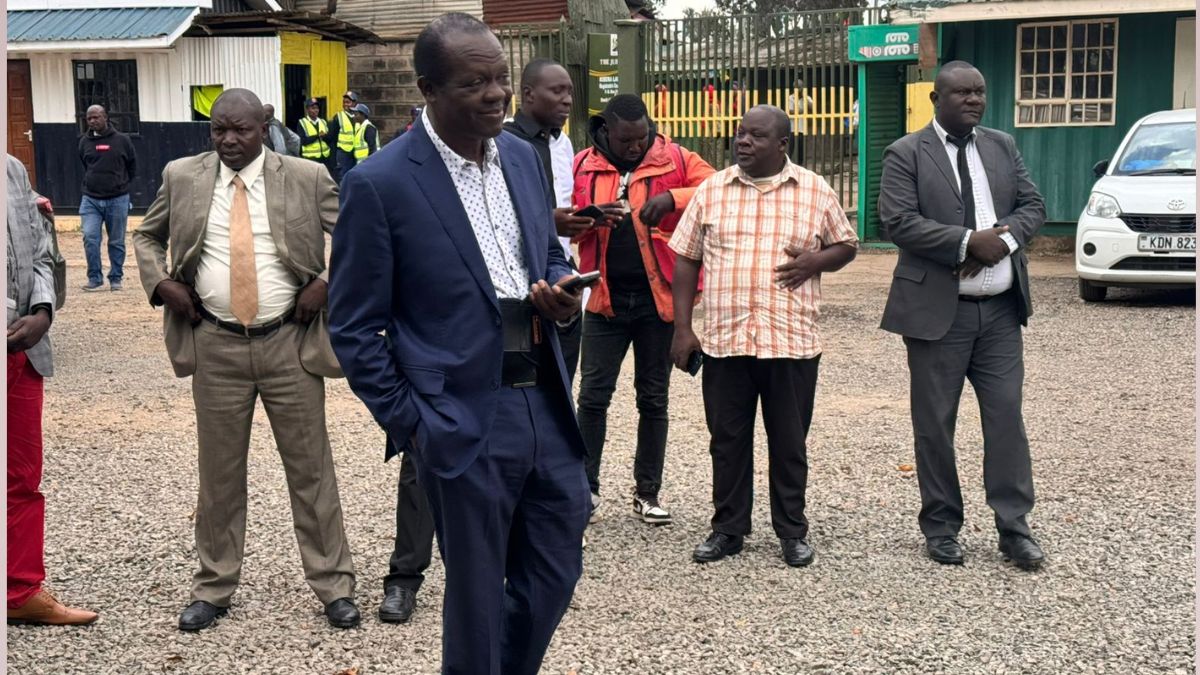
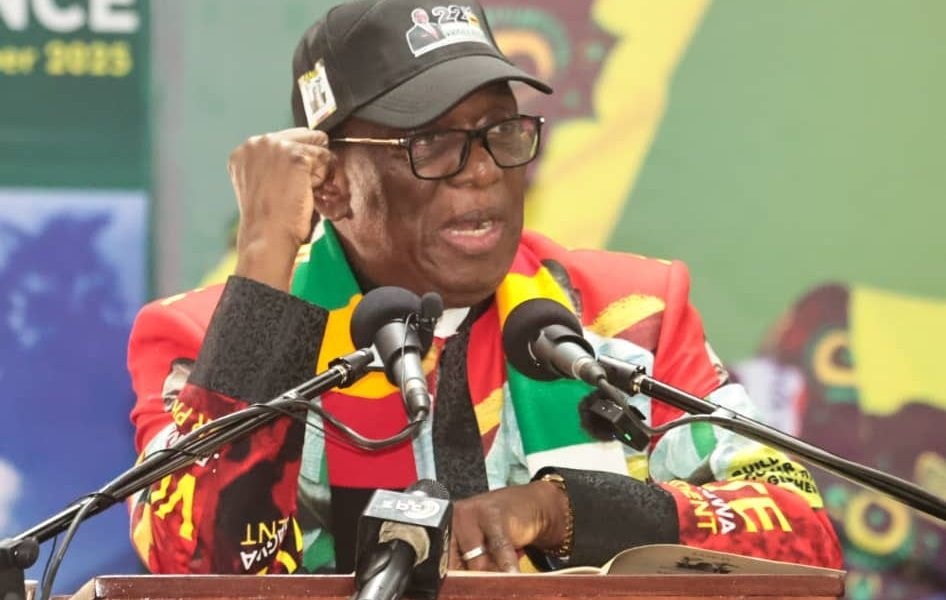
President William Ruto assented to the Supplementary Appropriations Bill, 2026, at State House Nairobi on Wednesday April 8, 2026.
The Bill, now an Act, increases total expenditure by KSh393 billion from KSh4.301 trillion to KSh4.695 trillion.
It aligns the national budget to address urgent and emerging priorities, including critical security operations, disaster response, and strategic infrastructure investments.
Present were Prime Cabinet Secretary Musalia Mudavadi, Speaker of the National Assembly Moses Wetangula, National Treasury Cabinet Secretary John Mbadi, National Assembly Majority Leader Kimani Ichung’wah, and Attorney-General Dorcas Oduor, among others.
Unlike previous years, when development expenditure often faced substantial cuts to accommodate fiscal pressures, this supplementary budget has preserved and strengthened the development vote.
The biggest share of the Supplementary Budget was allocated to security and education.
The security sector was allocated additional funding of KSh60 billion, with the State Department for Internal Security and National Administration receiving KSh11.9 billion.
This includes KSh3.9 billion for security operations, KSh2 billion for the National Integrated Security Command and Control System, KSh2 billion for compensation of victims of demonstrations, and KSh4 billion for modernisation of police equipment.
In addition, the Independent Electoral and Boundaries Commission has been allocated KSh2.9 billion to settle pending legal bills.
The education sector received KSh45.28 billion, of which KSh24.2 billion was allocated to the Teachers Service Commission to cover salary shortfalls and health insurance contributions for teachers.
Additionally, KSh4.1 billion has been set aside for the Higher Education Loans Board (HELB), bringing its total to KSh45.6 billion.
At the same time, KSh3.88 billion has been provided to pay outstanding university salary arrears for the 2017-2021 Collective Bargaining Agreement and to support the Wings to Fly programme through TVET.
The University Funding Board has received KSh1.5 billion and KSh2.6 billion for the Kenya-China TVET Project Phase III.
In the health sector, KSh4 billion has been provided to pay pending bills of the defunct National Health Insurance Fund and KSh675 million to upgrade Level 4 hospitals across the country.
Furthermore, KSh5.4 billion has been set aside for the doctors’ internship programme, bringing the total to KSh9.8 billion.
Additionally, KSh2.5 billion is allocated to Moi Teaching and Referral Hospital and KSh2.6 billion for the vaccines programme.
On infrastructure, KSh4.5 billion has been allocated to the Horn of Africa Gateway development projects under the State Department for Roads.
KSh25 billion has been allocated to the Affordable Housing Programme to accelerate delivery of projects through the State Department for Housing and Urban Development.
The agriculture sector has been allocated over KSh17 billion, including KSh10 billion for the fertiliser subsidy programme, bringing the total funding for this initiative to KSh18 billion.
Meanwhile, KSh1 billion has been allocated for the tea reforms programme and another KSh1 billion for MSMEs’ affordable credit through the Agricultural Finance Corporation.
Further, KSh2 billion has been set aside for sugar reforms, including salary arrears, and KSh1.5 billion for food security and crop diversification.
The Blue Economy and Fisheries Department has received KSh350 million to organise the Oceanic Conference to be held in June 2026 in Mombasa and Kilifi. The meeting will boost Kenya’s role in marine conservation and promoting sustainable fisheries.
In addition, the Forestry Department has been allocated KSh2 billion for the tree growing campaign and rangeland restoration, and KSh500 million through the Watershed Improvement Project to expand reforestation efforts.
On financing the budget, the government is seeking stronger non-tax revenue mobilisation efforts such as privatisation and securitisation.
The KSh17.6 billion enhanced funding to the Kenya Revenue Authority is expected to boost tax collections and help the government minimise public borrowing.