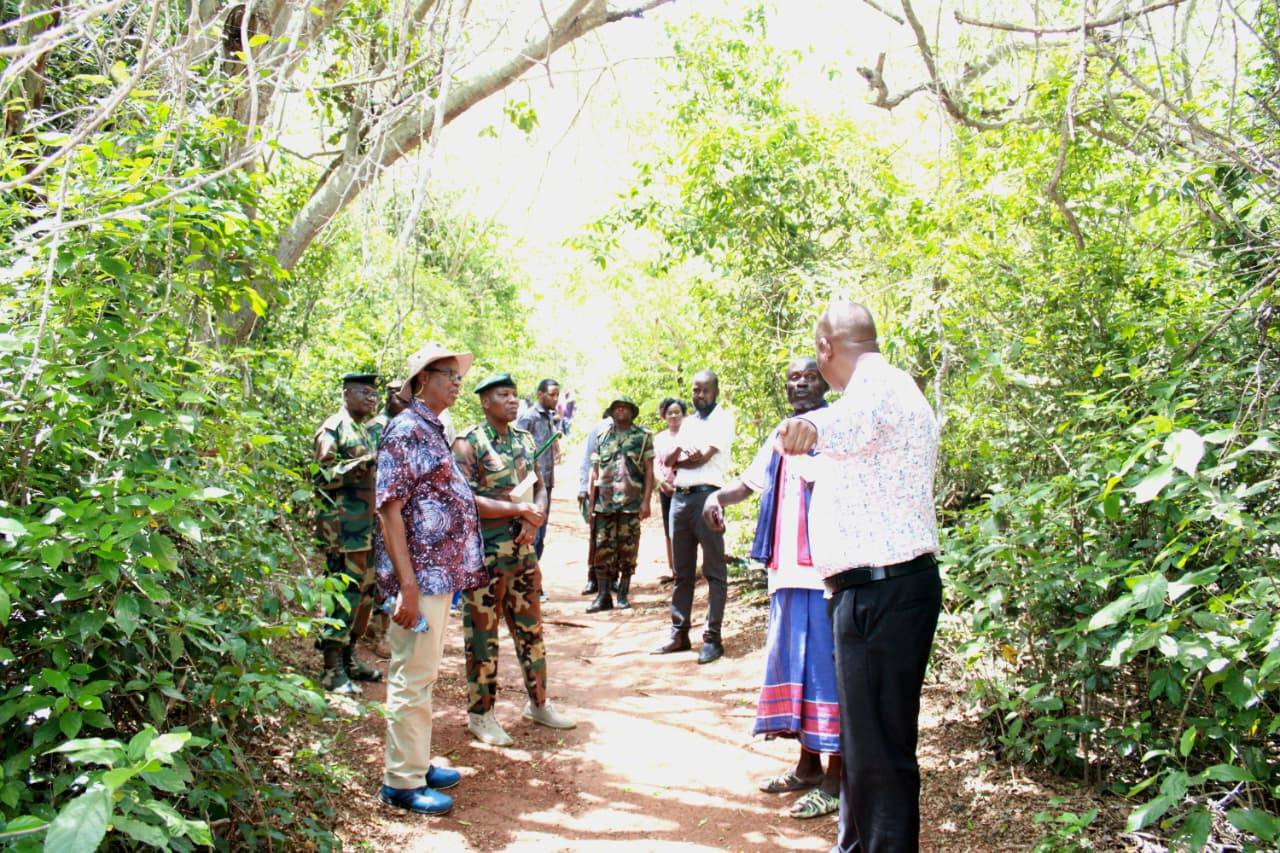
The National Assembly’s Public Petitions Committee has conducted a fact-finding visit to Kaya Kauma in Kilifi County, as part of its review of a petition seeking the gazettement and protection of sacred Kaya forests along the Coast.
The committee, chaired by Runyenjes MP Hon. Muchangi Karemba, is examining a petition filed by Kilifi North MP Hon. Owen Baya, which calls for formal recognition of Kaya forests to shield them from encroachment, environmental degradation and unchecked exploitation.
Kaya Kauma, one of the sacred forests of the Mijikenda community, holds deep cultural, spiritual and ecological significance.

It is part of a broader network of Kaya forests that have historically served as ancestral settlements and ritual centres, while also preserving rare biodiversity within the coastal ecosystem.
During the visit, lawmakers engaged local elders, government agencies and conservation experts, highlighting the delicate balance between cultural preservation and formal state protection.
Speaking on behalf of the community, Kaya elder Mr. Chaxston Chivatsi said residents were not opposed to gazettement, but raised concerns over lack of government support.
“We do not object to the gazettement. But what we are saying is that we are not getting any assistance from the government, yet we take care of the environment,” he said.

However, elders cautioned against possible overreach by state agencies, warning that involvement by the Kenya Forest Service could interfere with cultural practices and desecrate sacred spaces central to their traditions.
Officials from the National Museums of Kenya also raised legal and institutional concerns, particularly on ownership and management should the forests be gazetted.
“If the forest is gazetted, what is the legal ownership? Does it become a private forest as it is private land, or a community forest as it is community land?” posed NMK Assistant Director for the Coastal Region, Hussein Aden.
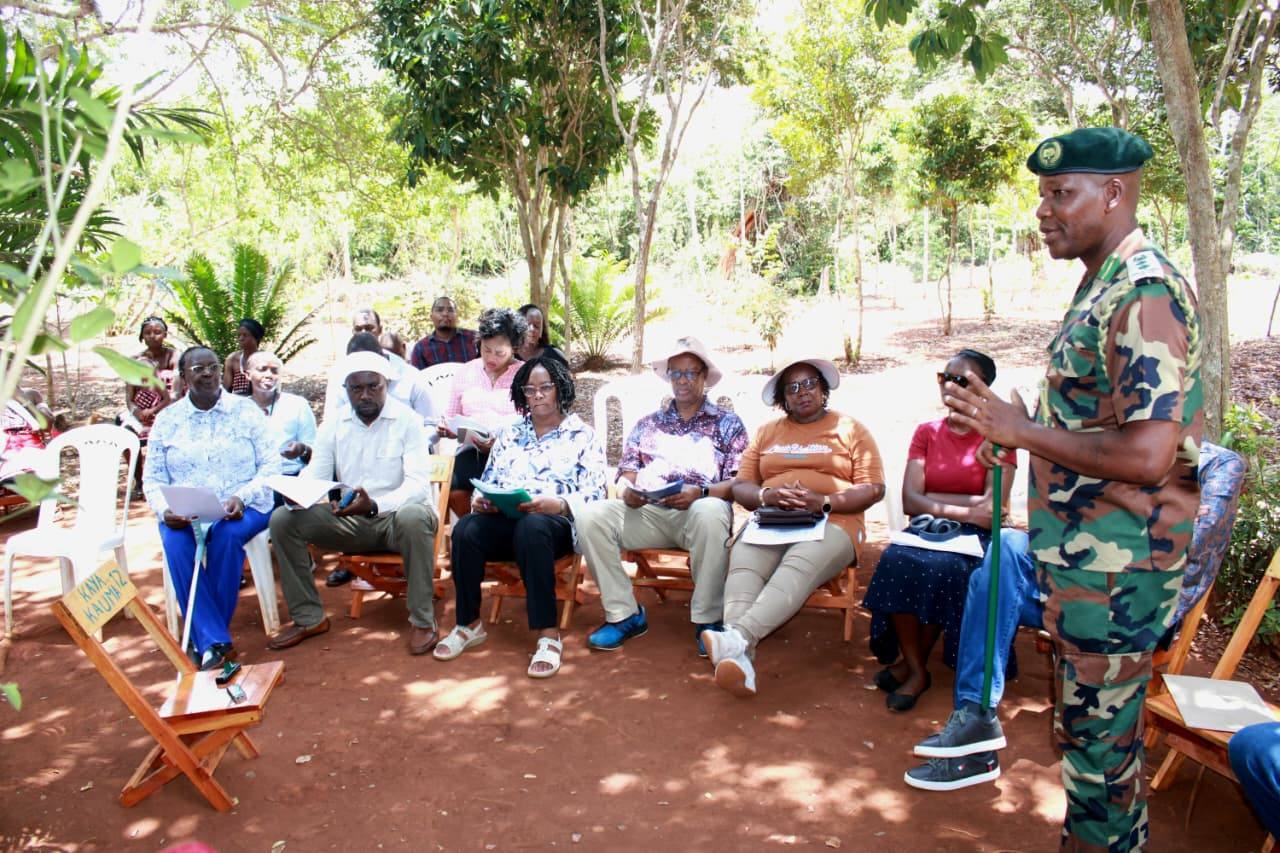
He noted that while NMK’s mandate is to identify and preserve heritage sites, gazettement under KFS could complicate enforcement of cultural protections as outlined in the Museums Act.
At the same time, NMK acknowledged the global significance of Kaya forests, many of which are recognised as UNESCO World Heritage Sites due to their unique ecological and cultural value.
Stakeholders proposed the formation of Community Forest Associations (CFAs) to foster collaborative management. These associations would bring together Kaya elders, KFS, the Kenya Wildlife Service and local youth to jointly tackle challenges such as illegal logging, charcoal burning and forest degradation.
Participants also cited inadequate funding as a key challenge, calling for coordinated efforts to eliminate illegal charcoal harvesting and strengthen conservation initiatives.
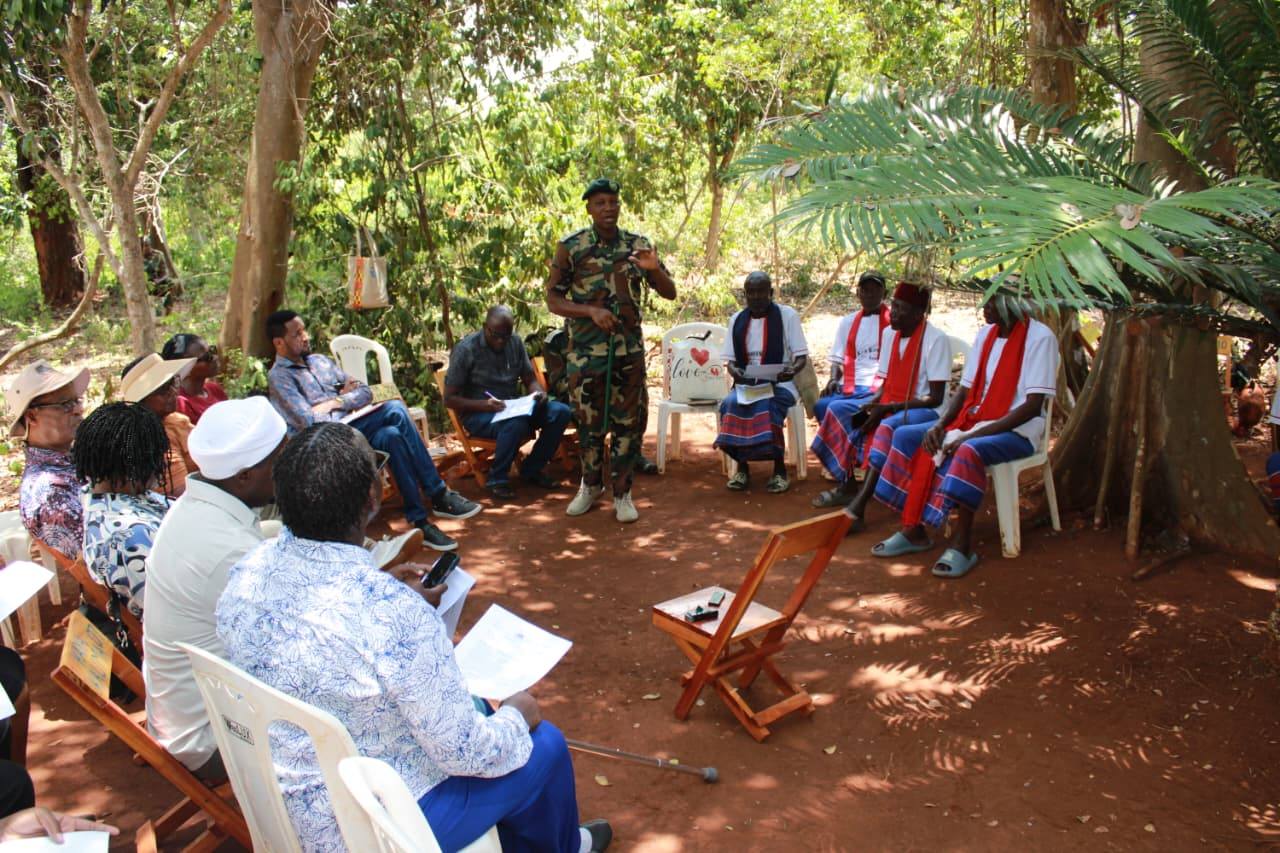
Kilifi County Forest Conservator Mr. Ruwa Kalama Masha defended the gazettement proposal, saying it would provide the legal framework and resources needed for effective protection.
He pointed to similar arrangements in Taita, where sacred forests known as “Figi” have been gazetted without disrupting cultural practices.
“The reason for gazettement is not to stop communities from observing their cultural practices, but to help them combat destruction, especially by youth invading the forests,” he said, adding that existing laws recognise cultural practices within forest areas.
Committee Vice-Chairperson Hon. Janet Sitienei backed the proposal, noting that gazettement could unlock critical resources for conservation.
Lawmakers also raised concerns over community inclusion and benefits, questioning why local communities had not been adequately empowered through development projects.
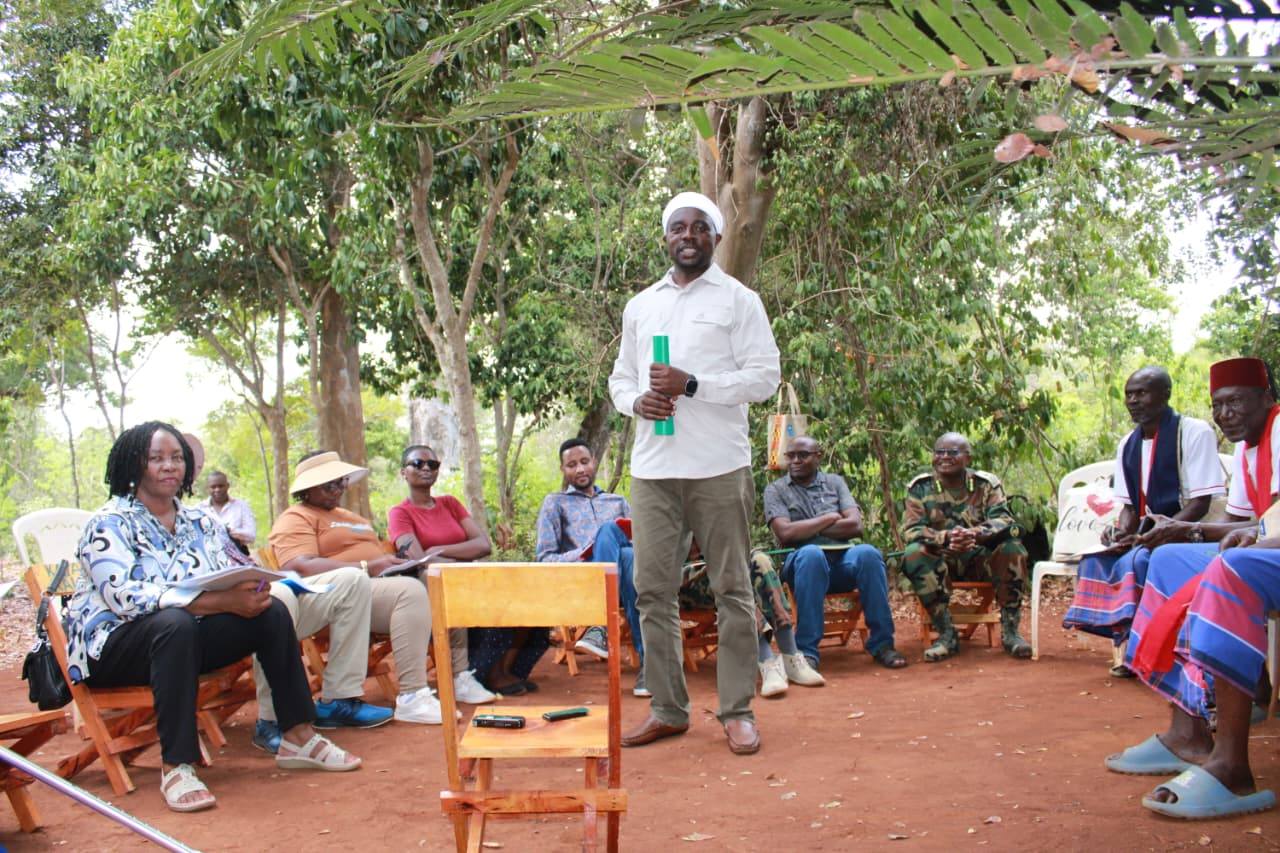
The committee further proposed the creation of an umbrella body to unite Kaya communities as trustees and champions of forest protection, while also seeking clarity on whether locals would be employed by KFS following gazettement.
In response, KFS officials said participatory forest management agreements would outline tangible benefits for communities, including income-generating activities such as beekeeping, eco-tourism, butterfly farming and mushroom cultivation.
They cited initiatives like the Kipepeo butterfly project as examples of nature-based livelihoods that can uplift forest-adjacent communities.
However, NMK maintained that any conservation framework must respect its heritage mandate, emphasising that the relationship between the forests and the communities remains inseparable.
The committee is expected to continue reviewing the petition before tabling its report in the House.