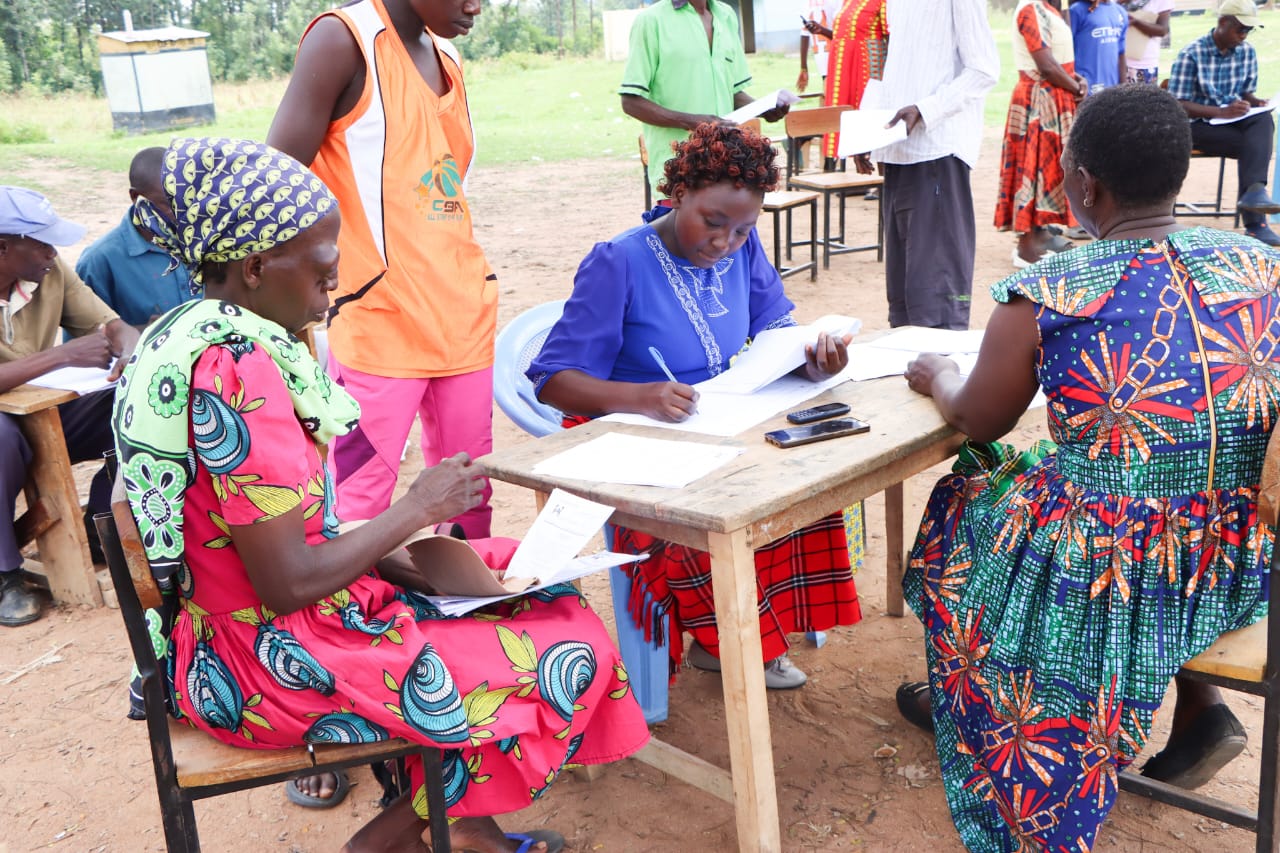
Residents of Bumula Constituency have welcomed the decision by the National Government Constituencies Development Fund (NG-CDF) to decentralize bursary application exercises to the grassroots, saying the move has eased access, reduced costs and enhanced transparency in the allocation of education support.
The bursary exercise, which has been extended to all the 116 polling stations across the constituency, has drawn praise from parents and guardians who say the previous system forced them to travel long distances to the NG-CDF offices, often at high cost.
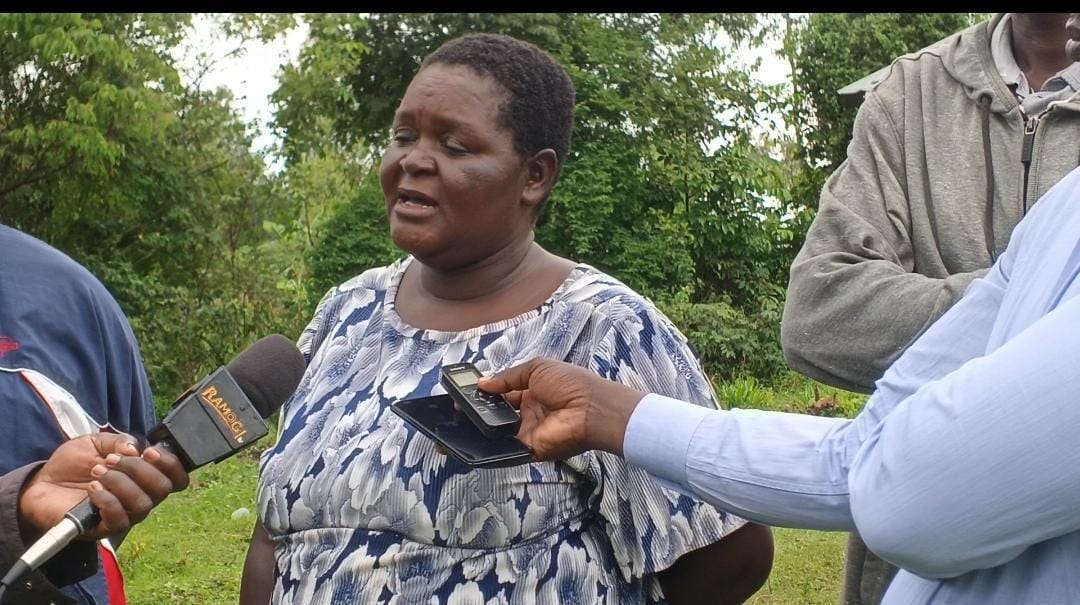
Speaking during the exercise at Mayanja Primary School in Bumula, Hellen Masibo, a parent said the new approach has come as a major relief to many families struggling with school fees amid tough economic times.
“Bringing the bursary application closer to us is a big relief. Previously, we had to travel all the way to the NG-CDF offices just to get the forms. Now the forms are printed and distributed at polling stations and even villages,” she said.
Masibo noted that decentralizing the process has not only saved time and money for parents but has also helped curb corruption that had been associated with the earlier system.
She added that paying school fees has become increasingly difficult for many households, particularly those with multiple children in school.
“I have five children. Three are studying in Nakuru, one is at a Kenya Medical Training College (KMTC), and two are in secondary school. The bursary support from Bumula Constituency has really helped us keep them in school,” she said.
Bumula Constituency NG-CDF Manager Godfrey Wamuta said the decision to devolve the bursary application exercise was informed by numerous complaints from residents who faced challenges accessing the service.
“We took the bursary application exercise to all the 116 polling stations to ensure that every local resident can easily access the forms and benefit from the education support kitty,” Wamuta said.
He explained that when the current management assumed office, they received widespread concerns about the cost of printing forms, long travel distances and congestion at the NG-CDF offices during application periods.
“When we came into office, residents complained about the difficulties they faced during the bursary application. That is why we adopted this system, so that no deserving student is left out,” he said.
Wamuta disclosed that the number of bursary application forms distributed at each polling station corresponds with the number of registered voters in that area, a move aimed at ensuring fairness and adequate coverage.
“To address these issues, we devolved the bursary application exercise to polling stations so that locals can access the forms with ease,” he noted.
He added that last year’s pilot exercise, where forms were distributed at polling centres, received overwhelmingly positive feedback, prompting the NG-CDF to further decentralize the process this year to the village level.
“This year we have gone a notch higher by distributing the forms at village level. Chiefs, assistant chiefs, and village elders are involved to help identify eligible beneficiaries and ensure fairness,” Wamuta said.
He further revealed that the constituency has allocated Ksh60 million towards bursary education support this year, an increase of Ksh25 million compared to the previous allocation.
“After the vetting exercise is concluded, we will determine how much each student will receive based on need and available funds,” he said.