
As Uganda prepares for its general elections on Thursday January 15, 2026, the country has been plunged into a nationwide internet blackout, triggering strong condemnation from human rights organizations and raising serious concerns about transparency and civil liberties.
The Uganda Communications Commission (UCC) on January 13 ordered a suspension of public internet services and selected mobile phone functions starting at 6 p.m. local time. The directive, which did not specify when services would be restored, was justified by authorities as a measure to prevent misinformation, disinformation, electoral fraud, and threats to national security.
The shutdown affects mobile broadband, fibre optic and satellite internet, leased lines, fixed wireless access, and microwave radio links. It also halts the sale and registration of new SIM cards and outbound data roaming services. As a result, the public has been cut off from social media platforms, messaging applications, and general web access.
Limited exemptions have been granted for critical systems, including healthcare services, banking and financial platforms, utilities, electoral commission portals, and other essential government functions. Internet monitoring group NetBlocks confirmed a nationwide disruption shortly after the directive took effect.
Human rights groups have sharply criticized the move. Amnesty International described the shutdown as a violation of fundamental freedoms, particularly the right to freedom of expression and access to information.
Tigere Chagutah, Amnesty International’s East and Southern Africa Regional Director, said the indefinite suspension was a direct attack on human rights at a critical democratic moment. In a statement issued on January 14, 2026, Chagutah said the blackout comes just before a crucial election already marked by repression and a heavy crackdown on opposition parties and dissenting voices.
He warned that blanket internet shutdowns are inherently disproportionate under international human rights law and should never be imposed. According to Amnesty International, such measures disrupt livelihoods, restrict access to essential information, and create an information vacuum that can allow serious human rights violations to occur without scrutiny.
Chagutah also criticized the use of national security and misinformation as justification, noting that rights protections are most important during sensitive periods such as elections. Amnesty International has called on Ugandan authorities to immediately restore full internet and mobile services.
The latest shutdown mirrors events during the 2021 general elections, when Uganda experienced a week-long internet blackout amid widespread violence, repression, and reports of dozens of deaths.
The digital restrictions come as concerns about civic space continue to grow. In recent days, the Uganda NGO Bureau suspended permits for at least six non-governmental organizations, with affected groups reporting frozen bank accounts. These actions have drawn criticism for undermining freedom of association.
Earlier in January 2026, the African Commission on Human and Peoples’ Rights raised alarm over pre-election information restrictions, as well as reports of harassment, intimidation, arbitrary arrests, and abuse of journalists.
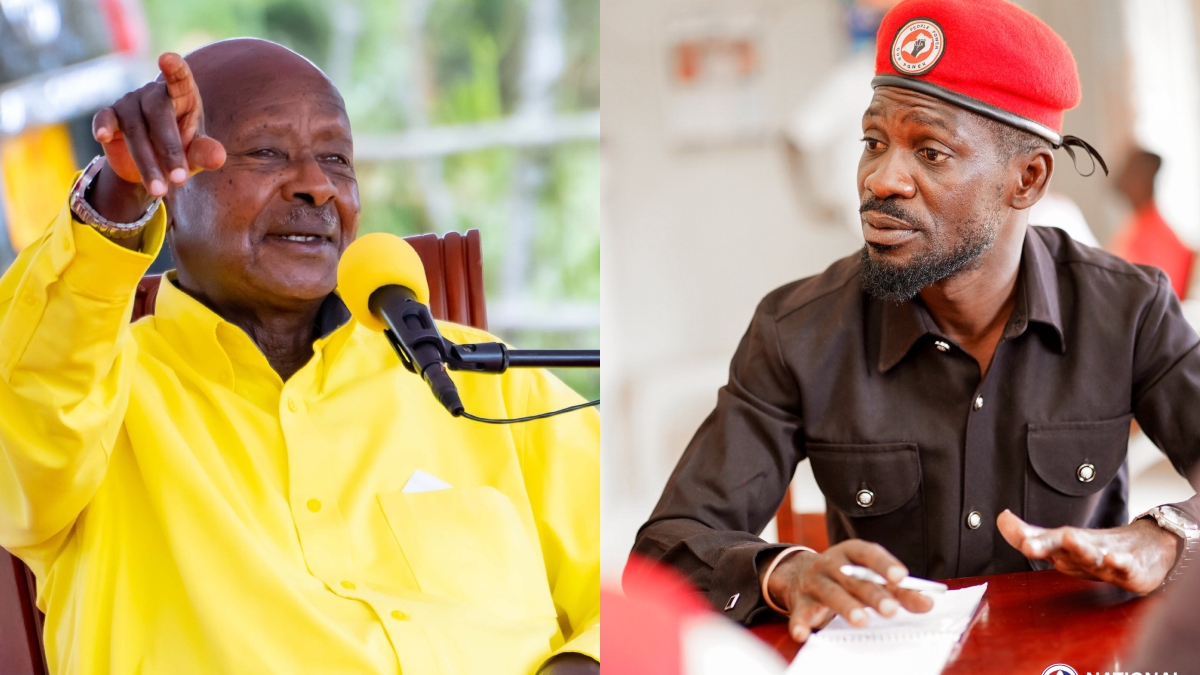
President Yoweri Museveni, who has been in power since 1986, is seeking a seventh term in office. Among his main challengers is opposition leader and pop star-turned-politician Bobi Wine, popularly known as Robert Kyagulanyi. The campaign period has been marked by reports of opposition arrests, violence at rallies, and a heavy security force presence.
Ugandans are voting for both the presidency and parliamentary seats, with approximately 21.7 million registered voters expected to participate.
As voters head to the polls under what rights groups have described as “digital darkness,” international observers continue to call for the restoration of full connectivity to safeguard a free, fair, and transparent election.
The coming days are expected to test whether transparency can be maintained despite the sweeping restrictions.