With just two weeks to go before engines roar to life in Naivasha, organisers of the 2026 WRC Safari Rally Kenya have detailed what crews and fans should expect from this year’s route.
Clerk of the Course George Mwangi confirmed that the March 12–15 event will adopt a Thursday-to-Sunday format in line with new FIA regulations, which also require drivers to have a minimum 12-hour rest period, particularly between Friday and Saturday.
Thursday kick-off in Naivasha
Unlike previous editions, there will be no ceremonial start at KICC and no Kasarani Super Special Stage. Instead, competitive action begins in Naivasha with a 6km shakedown at the Naivasha Wildlife Sanctuary (NAWISA), located about 4km from the main service park along the Nairobi–Nakuru Highway.
The shakedown runs from 8:00am to midday, with the first car flagged off from the service park at 3:00pm before heading to Camp Moran for the opening stage at 4:03pm.
Camp Moran has been shortened to 24.5km after the removal of the notorious “fesh fesh” section. Crews will then proceed to Mzabibu Rally Village before cars are locked in overnight parc fermé.
Friday’s technical test
Friday’s itinerary begins with another run through Camp Moran, followed by stages in Eburu and Loldia.
Loldia is 6km longer this year, with a tight forest loop introduced mid-stage to increase the technical challenge. Geothermal remains unchanged, while Kedong has been reduced to 13.16km.
After service, drivers will repeat Kedong, Kengen, Geothermal and Loldia before returning to Mzabibu.
Delamere tweaks on Saturday
Saturday shifts focus to the Delamere section.
Soysambu has been shortened, while Elementeita is approximately one kilometre longer. A spectator-friendly section featuring tighter corners has been added at the end of Elementeita to enhance fan experience.
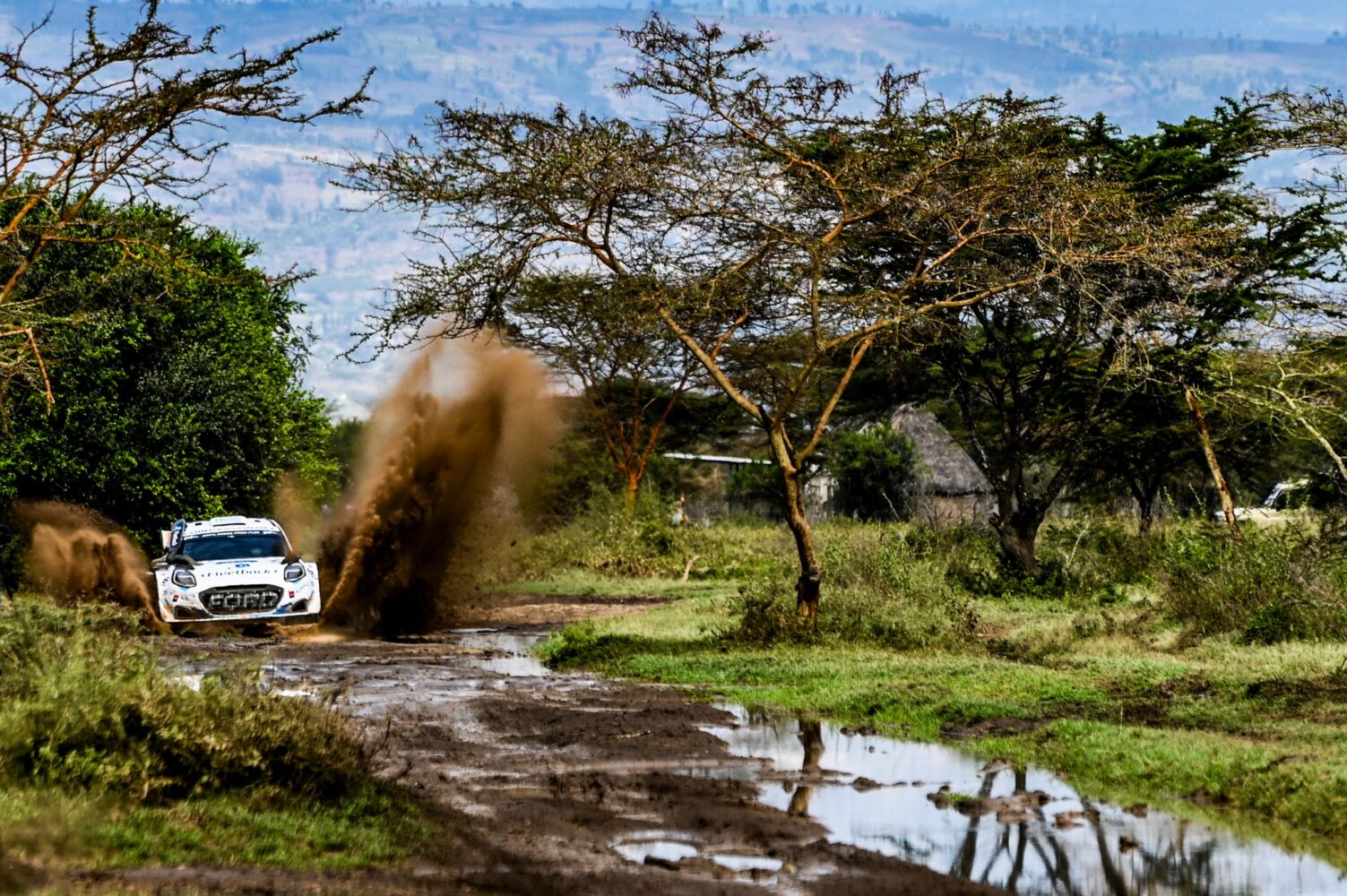
Sleeping Warrior is also shorter this year. Spectators positioned at the Elementeita end will be able to catch action from Sleeping Warrior across the road.
On their way back from Sleeping Warrior 2, crews will pass through Mzabibu Village for a scheduled autograph session, giving fans an opportunity to meet the drivers.
Sunday’s streamlined finish
Sunday features only two stages — Oserengoni and Hell’s Gate — with a key operational change.
Cars will not return to service after Saturday evening. After Hell’s Gate 1, crews will tackle Oserengoni, regroup at Hell’s Gate and then contest the Hell’s Gate Power Stage.
The adjustment is aimed at reducing traffic along Moi South Lake Road and avoiding the lengthy 72km detour via Moi North Lake Road. Additionally, the FIA has set the Power Stage start time at 1:15pm.
Traffic management and fan engagement
Organisers say rally cars have been rerouted through Eburu to minimise disruption along the main highway, allowing spectators easier access to viewing points.
Police officers and safety marshals will work to manage traffic and ensure compliance with safety measures.
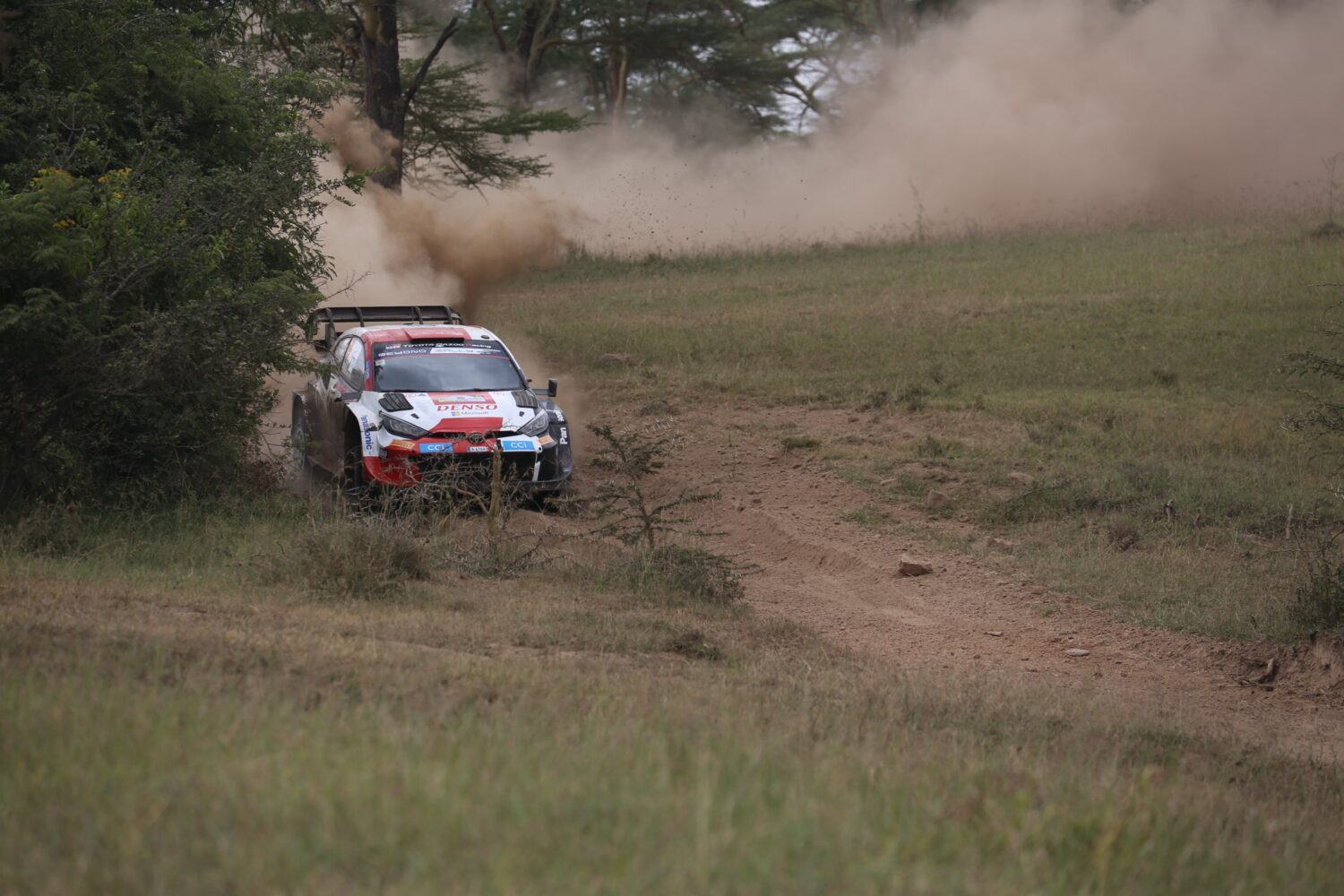
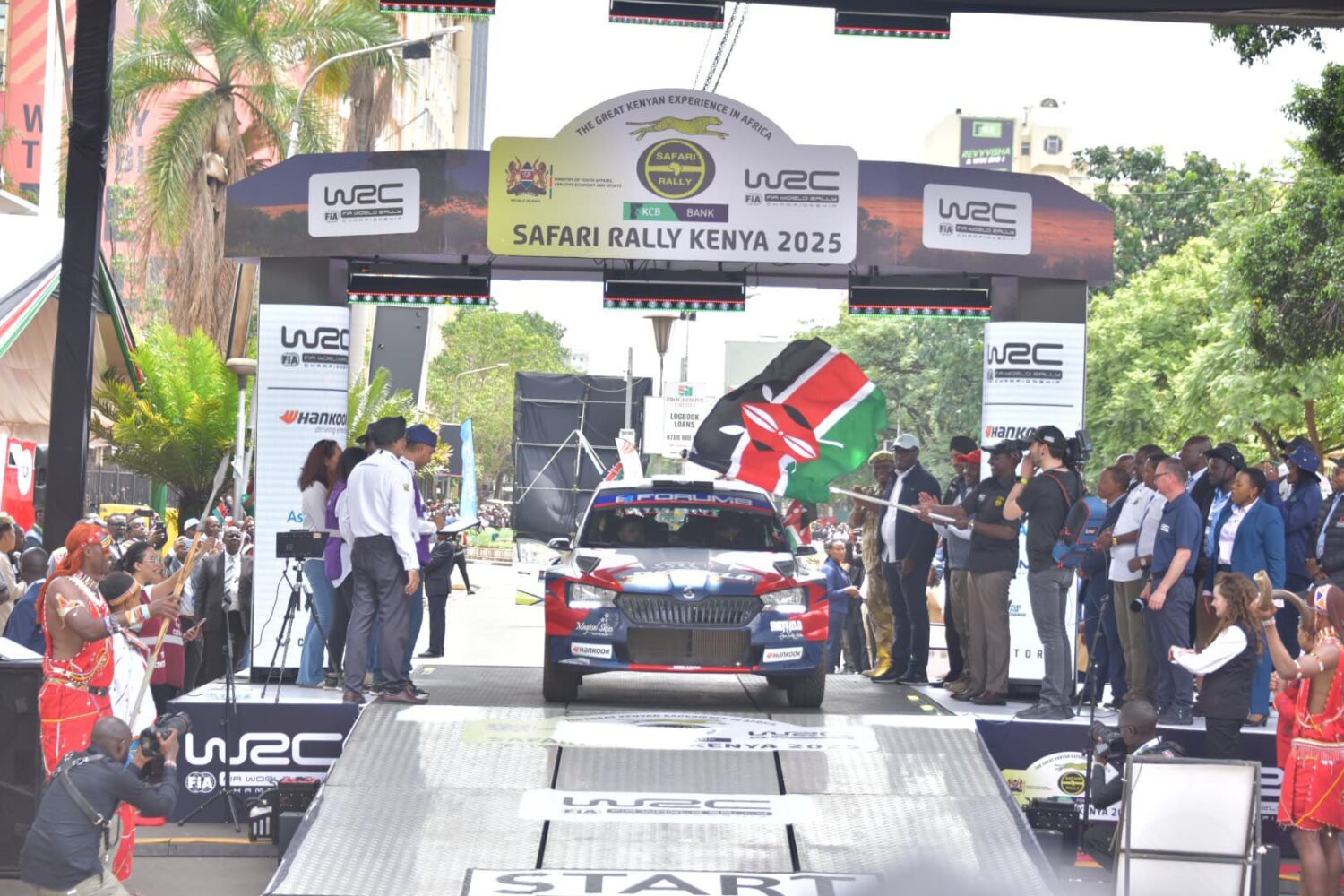
A “Meet and Greet” session is scheduled for Wednesday at 5:30pm, where fans will have the chance to interact with drivers and view select rally cars. The ceremonial flag-off will take place at the service park on Thursday at 3:00pm.
Mwangi also confirmed that Kenya National Rally Championship (KNRC) cars will run after the main WRC field.
With a familiar backbone and carefully calculated adjustments, this year’s Safari Rally promises to retain its trademark challenge while improving flow for crews and fans alike.