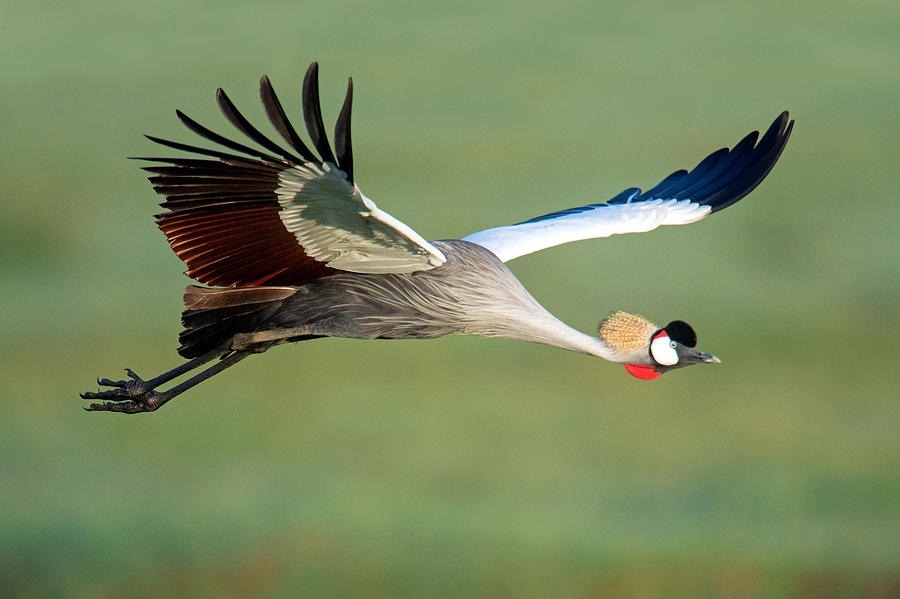
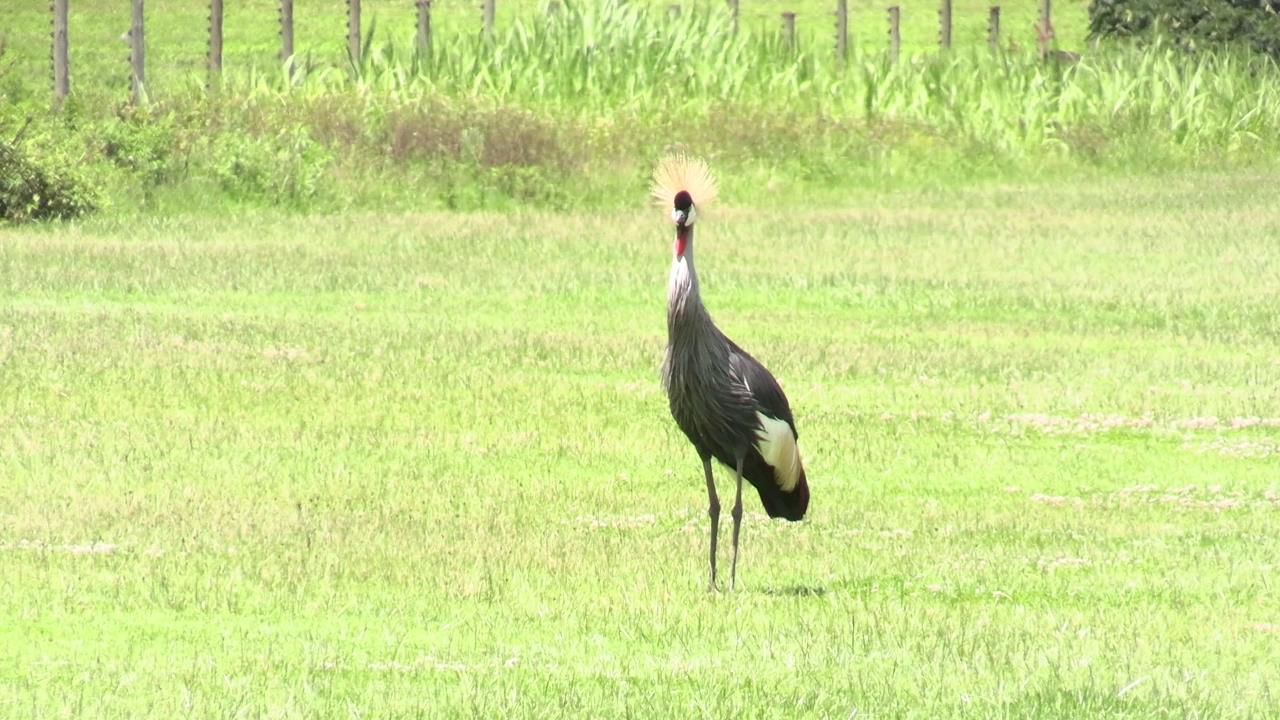
Among the 15 species of cranes, one of the most strikingly beautiful is at risk of extinction in Kenya, a country that hosts a significant portion of its population.
Renowned for its grace and allure, this tall and enigmatic bird thrives at Lake Ol Bolossat in Nyandarua County, one of its key breeding habitats now critically threatened.
According to researchers, the decline in population is attributed to the loss of vital breeding areas, driven by climate change and the reclamation of wetlands that once formed the backbone of their survival.

Cranes Conservation Volunteers (CCV), a Non-Governmental Organization based in Nyandarua, celebrated a significant milestone by commemorating ten years of dedicated conservation efforts.
This remarkable achievement was marked by a collaborative event organized alongside the Kenya Wildlife Service, International Cranes Foundation (ICF),VFB Stuttgart and Char2Cool, supported by the Nature and Biodiversity Conservation Union – Germany (NABU).

Together, these partners aimed to underscore their commitment to preserving the Grey Crowned Cranes and their critical habitats in Kenya.
The celebratory event spanned three days and included a vibrant football competition along with a specialized development program designed for coaches and local teams.
Hosted at Oljororok Stadium, this initiative primarily targeted residents living near Lake Ol’ Bolossat, an ecologically significant site known to support a thriving population of the iconic Grey Crowned Cranes.
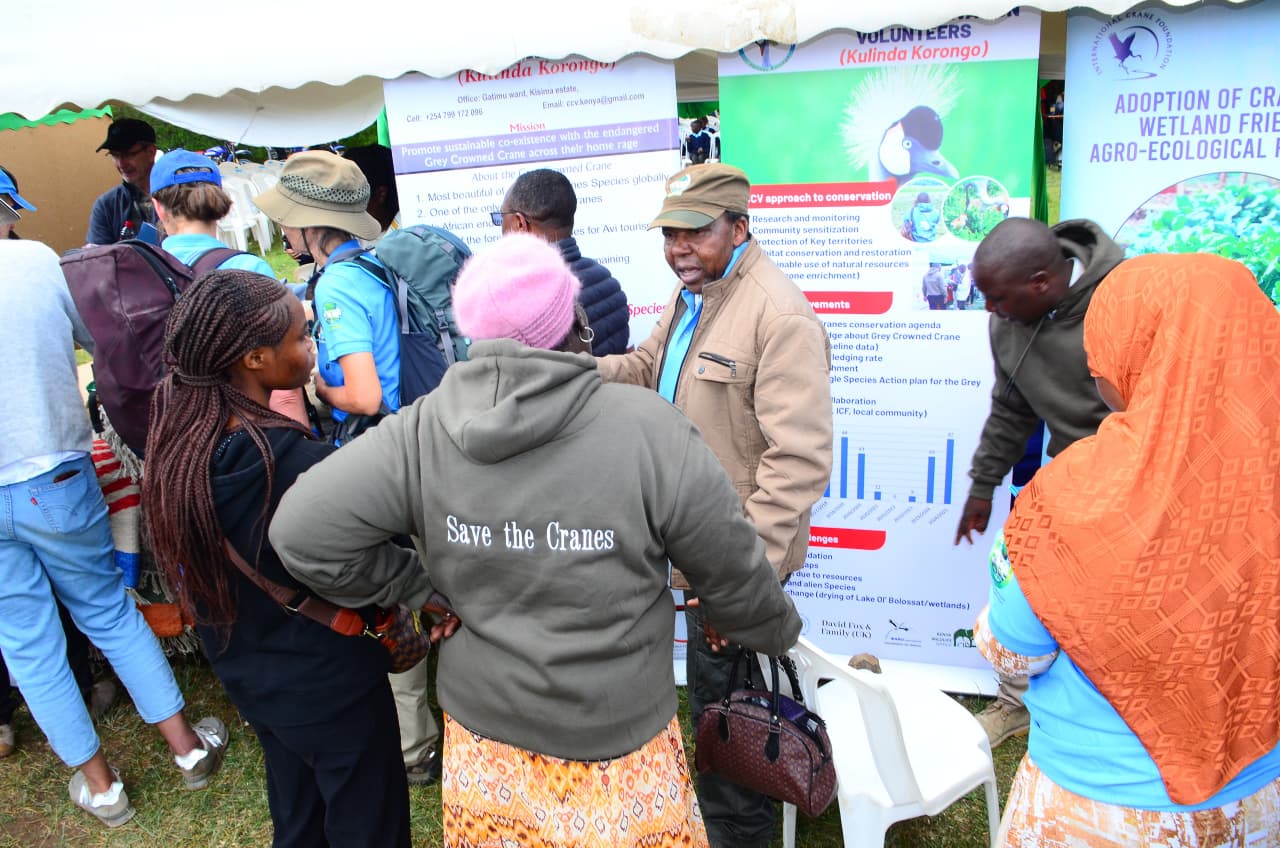
This unique setting serves as a key habitat for these majestic birds, making it an essential focal point for awareness and conservation activities. Community engagement was one of the standout features of the event.
Efforts were directed at educating and involving local residents in actionable conservation practices aimed at safeguarding the dwindling population of Grey Crowned Cranes.
Increasing awareness about their ecological value while promoting sustainable interaction with these birds was central to the program’s objectives.
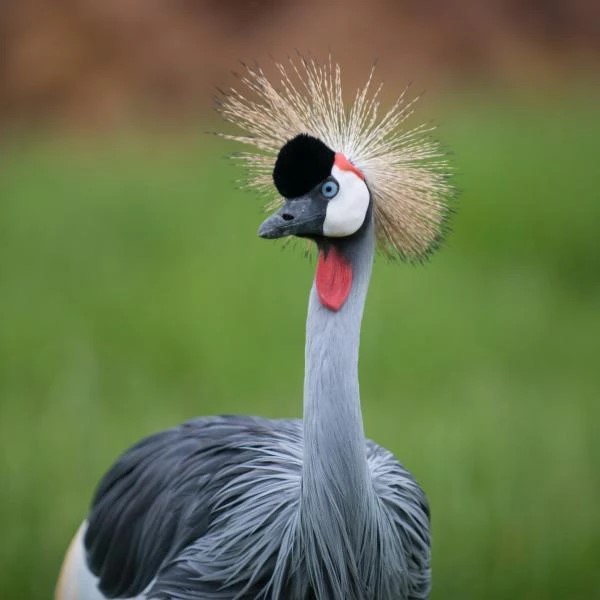
Studies and research have indicated a worrying trend regarding the population of Grey Crowned Cranes, revealing an alarming decline in their numbers despite the significant tourism opportunities they bring to the local economy.
The significant decline in the population of these birds has been largely attributed to various human-induced factors.
Key among these are the relentless expansion of human activities into natural habitats, leading to encroachment and habitat degradation.
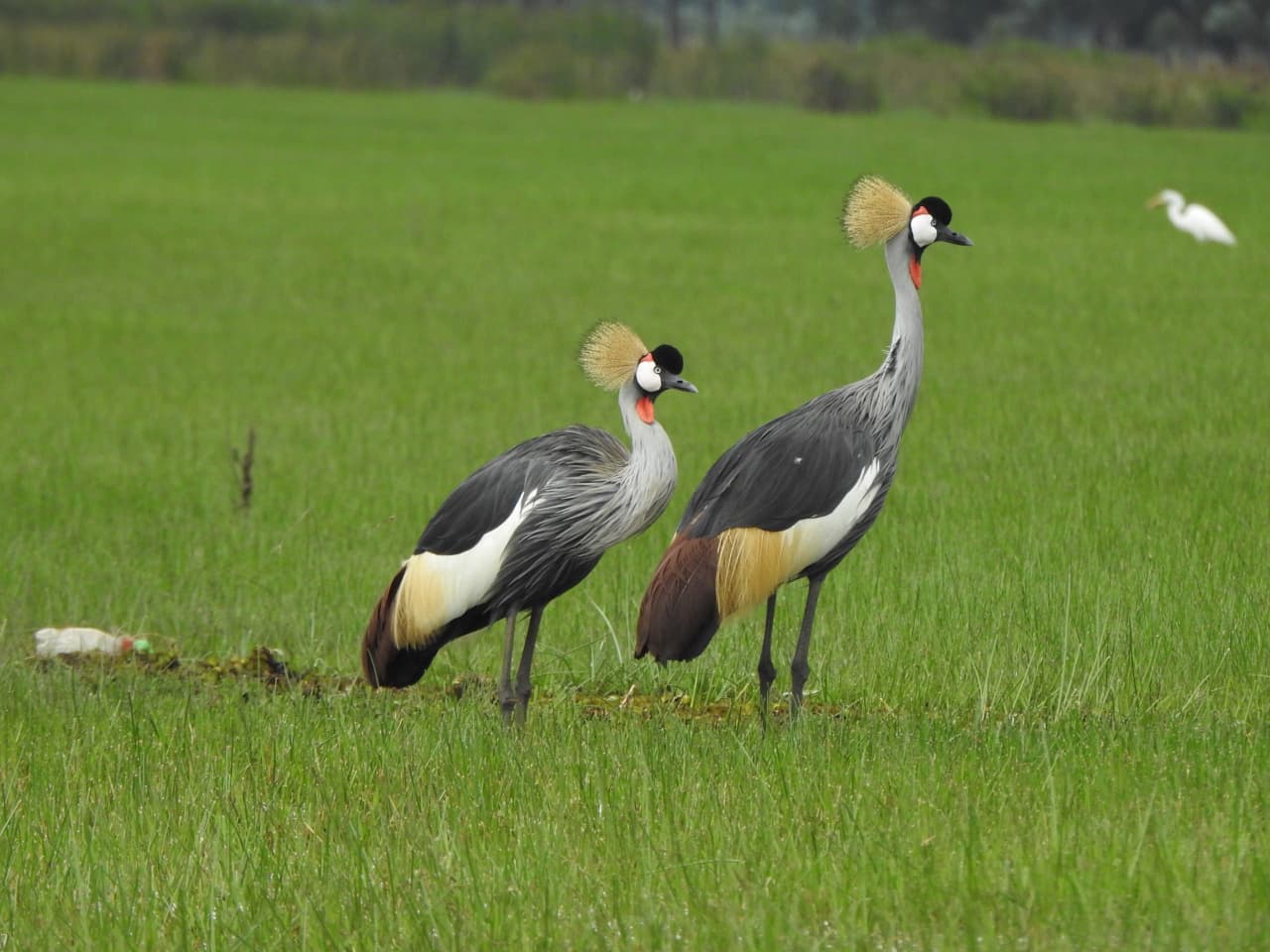
Poor agricultural practices, such as excessive use of harmful chemicals, have further compounded the issue by contaminating the ecosystems that support these species.
Illegal activities, including the collection of eggs, as well as widespread deforestation, have disrupted breeding and foraging grounds.
As Dr. Wanyoike Wamiti, research officer from International Cranes Foundation (ICF) says, the cultivation of land in or near wetland areas has caused further damage, severely impacting the delicate balance of these critical ecosystems. Collectively, these factors have emerged as the primary drivers of their dwindling numbers.
This downward trend poses a serious threat to the survival of the species, emphasizing the urgent need for informed conservation measures.
In light of this crisis, the partnering organizations are rallying all stakeholders—ranging from governmental agencies to community members—to join forces and implement robust strategies to halt this decline and ensure the species’ future.
The culmination of the event at Oljororok Stadium provided an opportunity to reflect on past accomplishments.
Mr. George Muigai, founder of Cranes Conservation Volunteers (CCV), addressed attendees, shedding light on the major strides achieved during the decade-long journey of the initiative.
He spoke passionately about efforts that have actively involved young individuals from communities situated near wetlands in conservation programs.
Recognizing their regular interactions with the birds as part of daily life, Mr. Muigai emphasized the critical role these individuals play as frontline participants in protecting habitat areas. Nevertheless, Mr. Muigai also used this platform to caution against complacency.
He stressed the necessity for cohesive and coordinated conservation strategies to protect migratory Grey Crowned Cranes and their natural habitats.
He warned that without such unified approaches, the ongoing rapid decline in their population across Kenya could have devastating consequences for both the species and local ecosystems.
On his side, Mr. Ingo Ammermann, CEO of NABU, highlighted that their partnership with CCV has had a significant positive influence.
Communities across Kenya and Africa as a whole now strongly associate themselves with the Grey Crowned Cranes, fostering a deeper connection with this iconic bird.
The milestone celebration not only honored past achievements but also reinforced a collective sense of responsibility among stakeholders for the future preservation of the Grey Crowned Cranes.