

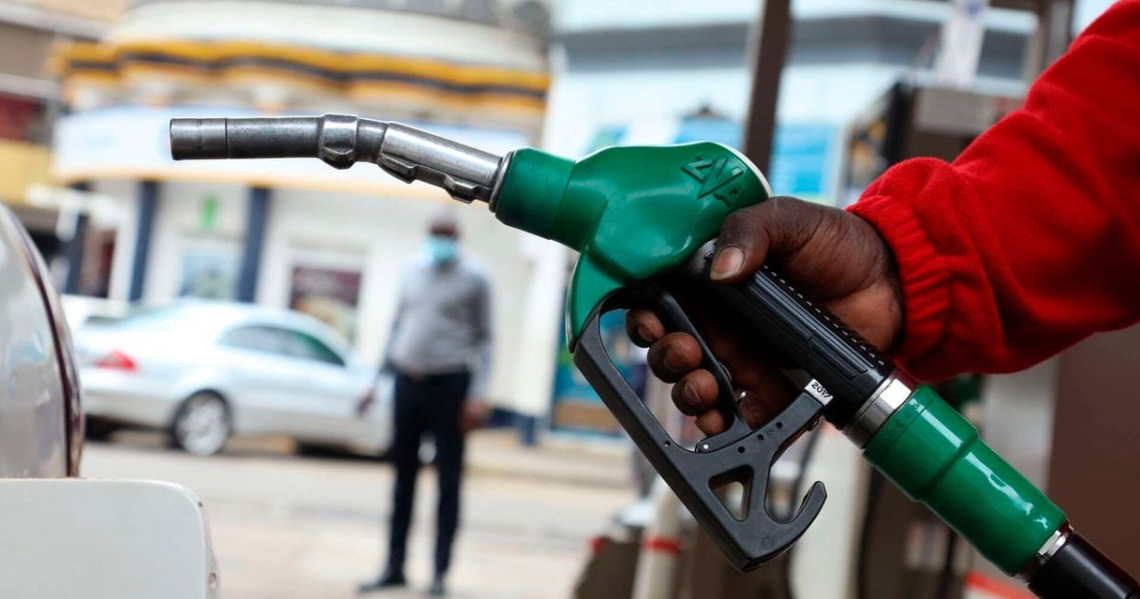
Drivers across the country may have recently experienced fuel shortages at select stations, and now Vivo Energy Kenya, the company behind Shell Kenya, has issued an official statement addressing the situation.
In a public update shared via Shell Kenya social media platforms, the company acknowledged disruptions in fuel availability, attributing them to a surge in demand.
According to the statement, “We have recently experienced increased demand for our products, which has resulted in temporary stock-outs at some service stations.”
The company reassured customers that efforts are underway to stabilize supply, adding that, “Our teams are closely monitoring the situation and working continuously to replenish affected sites as quickly as possible.”
This comes amid growing concern from drivers and motorists who have reported difficulty accessing fuel in certain locations, raising questions about supply consistency within the country.
This is not the first sign of strain within the fuel supply chain. In the recent past, drivers in various parts of the country reported restrictions at some stations, where drivers were not allowed to fuel beyond KSh 2,000.
While no formal nationwide directive was issued, the move raised early concerns about supply stability and possible rationing.
Despite the temporary shortages, Vivo Energy Kenya emphasized its commitment to maintaining reliable service delivery.
The company also issued an apology to customers, stating, “We appreciate your continued patronage and apologize for the inconveniences caused by this and remain fully committed to serving our customers reliably.”
The statement further highlighted the company’s role in ensuring continuity of essential services that depend on fuel supply, signaling urgency in resolving the issue.
While no specific timeline was provided for full restoration, the assurance of ongoing replenishment efforts may offer some relief to consumers navigating the disruptions.
For Kenya, a country heavily reliant on fuel for transport, business operations, and essential services, even temporary disruptions can have ripple effects.
Reduced fuel availability could lead to longer queues at stations, increased transport costs, and potential price pressures on goods and services
As the situation unfolds, drivers and motorists are advised to plan ahead and stay updated through official communication channels.