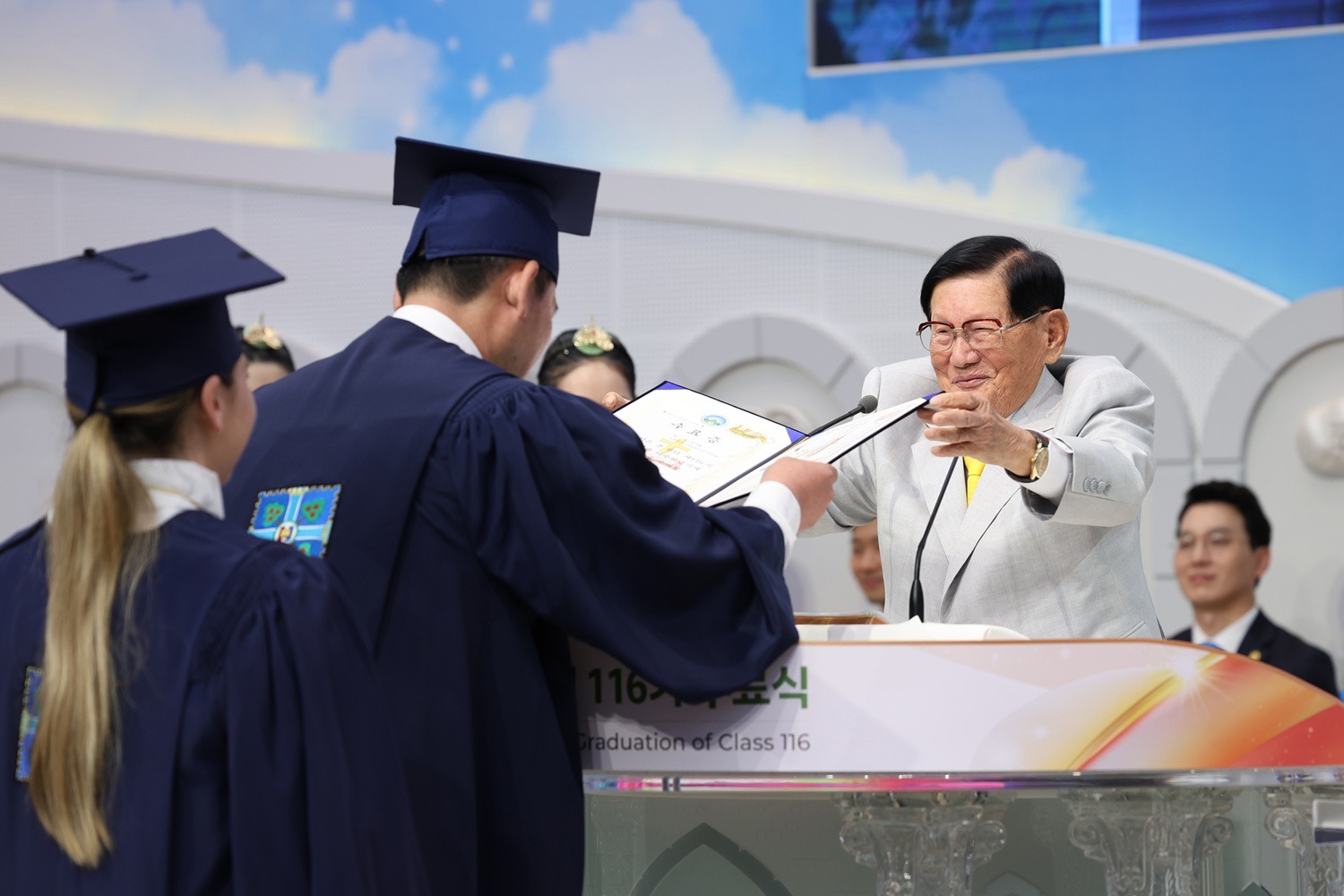
The Shincheonji Church of Jesus has strongly condemned what it terms the government’s explicit targeting of a specific religious group, warning that such actions amount to a grave violation of Article 20 of the Constitution of the Republic of Korea which guarantees freedom of religion and the separation of church and state.
In a statement issued to newsrooms on Wednesday, the church expressed deep concern over what it described as unilateral and retaliatory use of state power urging the administration to uphold fair, restrained and constitutional governance.
The concerns follow remarks made on 12 January by President Lee Jae-Myung during a meeting with religious leaders in which he said that “societal harm [caused by a specific religion] has been neglected for too long resulting in great damage.”
The following day, Prime Minister Kim Min-seok escalated the matter during a Cabinet meeting by using terms such as “cult” and “heresy,” while ordering a joint investigation and “eradication” measures.
Shincheonji argues that such statements effectively prejudge the outcome of any investigation, branding a religious group as a “social harm” before due process has taken place.
“The executive branch cannot act as both accuser and judge,” the church said, questioning by what authority a secular government defines religious doctrine or issues investigative guidelines that risk undermining judicial independence.
Drawing historical parallels, Shincheonji noted that Jesus Christ himself was once branded a heretic and persecuted only to be later recognized as central to Christian faith.
The church questioned whether it is justifiable today to label a religious body as heretical based on political pressure, congregation size or claims by rival pastors rather than on Scripture.
As an alternative to political and media-driven narratives, Shincheonji reiterated its call for an open and public Bible examination to address theological disputes transparently and peacefully. It said the invitation remains unanswered.
The church maintained that it has never claimed infallibility and is open to correcting any genuine doctrinal or social errors if they are identified with specificity.
It also highlighted its social contributions including volunteer service during national disasters and participation in large-scale blood donation drives during shortages arguing that the government has failed to present a single verified instance of concrete harm.
Shincheonji further noted that past allegations have repeatedly ended in acquittals or findings of no suspicion warning that recycling settled cases for political or media purposes undermines public trust in the rule of law.
The church called on the government to cease what it termed “emotional branding,” base its actions on facts and law and return to its constitutional duty of serving all citizens equally.
It reaffirmed that Shincheonji members will continue to cooperate with authorities, contribute to society and stand firm in exercising their constitutional right to freedom of religion within the framework of law and order.