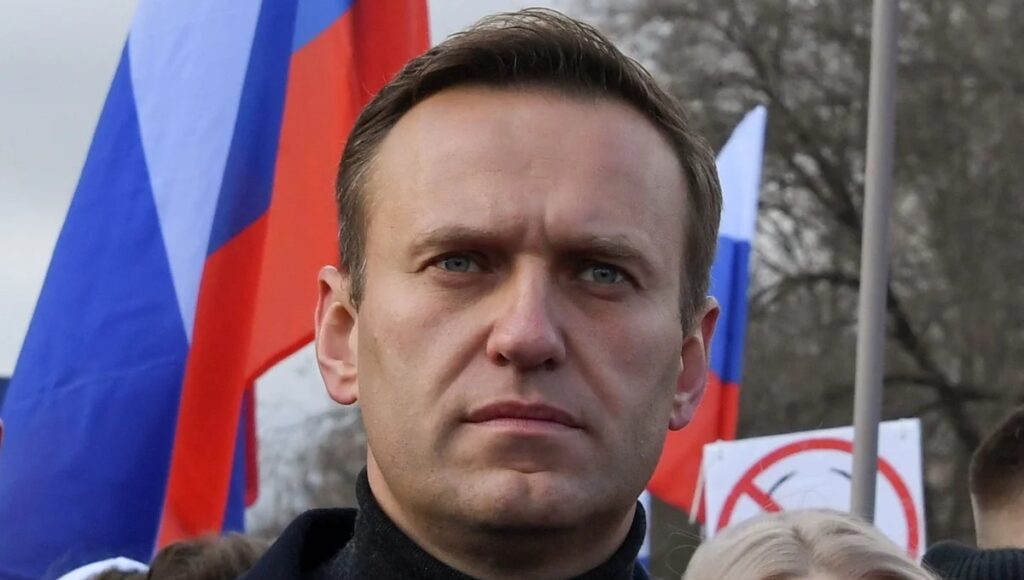
Five European countries; the United Kingdom, France, Germany, Sweden, and the Netherlands, have jointly concluded that Russian opposition leader Alexei Navalny was poisoned by the Kremlin with a lethal toxin from South American poison dart frogs, confirming earlier suspicions about his death in prison two years ago.
In a statement released Saturday during the Munich Security Conference, the nations’ foreign ministries revealed that analyses of samples from Navalny “conclusively confirmed the presence of epibatidine,” a potent neurotoxin not naturally found in Russia.
They described the act as a “cowardly” assassination by a “frightened leader,” highlighting Russia’s pattern of using terrorist methods against critics.”Only the Russian state had the combined means, motive, and disregard for international law to carry out this attack,” the statement read in part.
The countries accused Moscow of violating chemical weapons prohibitions and held the Kremlin directly responsible for Navalny’s death on February 16, 2024, in a remote penal colony.
Navalny, a prominent anti-corruption activist and vocal critic of President Vladimir Putin, survived a previous Novichok poisoning attempt in 2020 but died under mysterious circumstances while serving a lengthy sentence.
Russian authorities claimed natural causes, but the new findings reject that explanation. The joint declaration has drawn widespread attention, with calls for renewed sanctions and accountability. It also honours Navalny’s legacy alongside other victims silenced by Putin’s regime, including poisoned opponents, murdered journalists, and those affected by Russia’s invasion of Ukraine.