

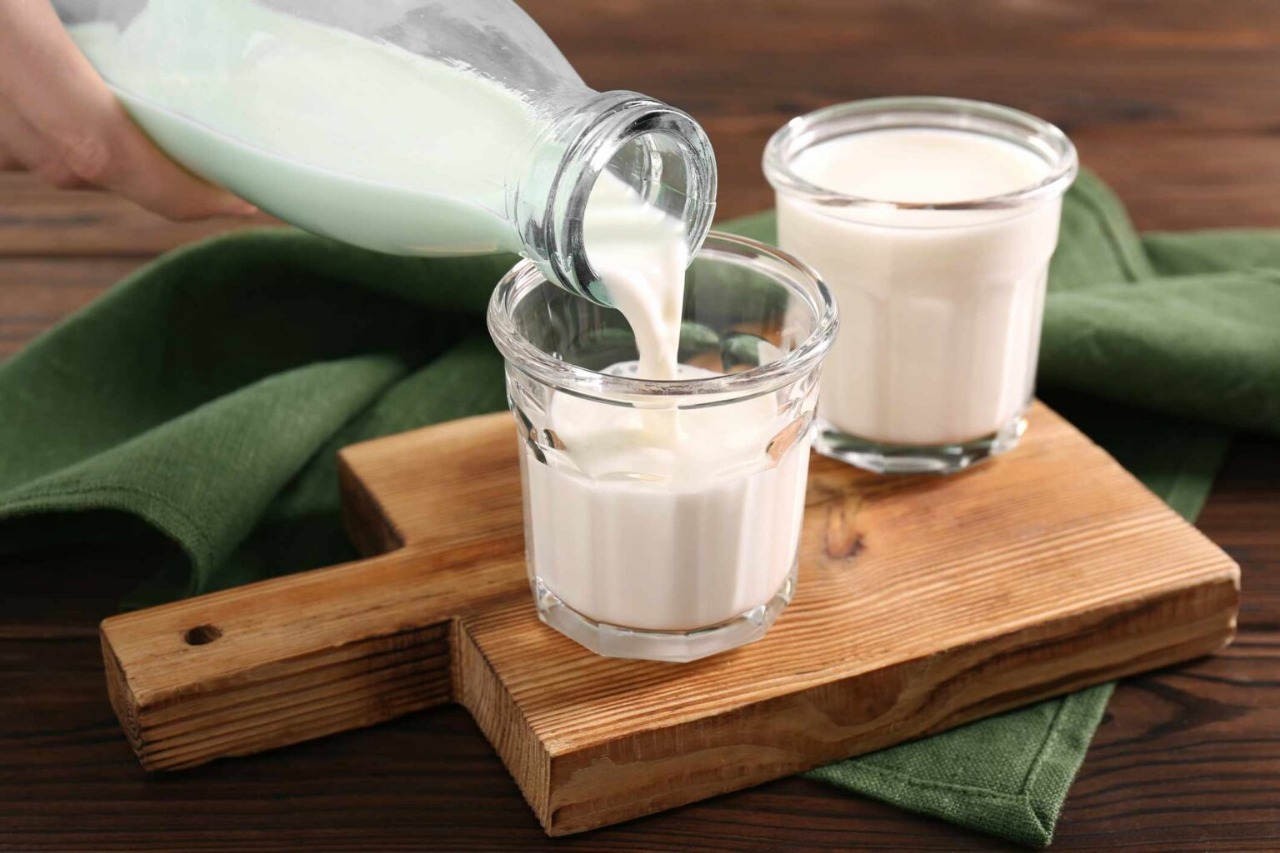
Every morning, Kenyans pour milk into their chai, but behind that milky swirl lies a story thicker than supermarket yogurt. Literally.
Kenya’s dairy industry has quietly become a battleground of profit versus purity. From Nyandarua’s foggy highlands to Nairobi’s breakfast tables, the fight over what’s really in our milk is curdling faster than you can say “mursik.”
Let’s start with the white lie. Research from the Kenya Dairy Board reveals that some traders add hydrogen peroxide to milk to extend its shelf life and fake freshness. Yes, peroxide. The same chemical is used to bleach hair and clean wounds.
While it can kill bacteria, too much can burn your stomach lining and cause serious digestive damage. In short, your morning tea might have more in common with a salon treatment than you think.

Then comes the classic Kenyan hustle, dilution. To stretch profits, milk is watered down and “fixed” with starch, salt, or powdered milk to restore its look. Some even use chemical preservatives like formalin (a cousin of formaldehyde) to slow spoilage.
Scientists warn that long-term consumption of these chemicals can damage your liver and kidneys. Regulators outlawed such tricks, but let’s be honest, who’s out there sniff-testing every packet on the shelf?
And yogurt? Oh, don’t be fooled by that fruity smile. Some brands skip real fermentation and stir in cornstarch to get that thick, creamy look. It feels fancy, but what you are eating is basically flavored starch pudding and not the probiotic superfood you paid for.
Experts from the Kenya Bureau of Standards (KEBS) warn consumers to trust their senses: if it smells weird, tastes too sweet, or forms an oily film, it’s time to ditch it.
Here’s a quick home test: real milk goes sour within 24 hours at room temperature. If yours is still fresh after three days, that’s not “long-life magic.” That is chemical wizardry. For yogurt, if it feels gummy instead of smooth, chances are starch is the main ingredient.
Meanwhile, down at the farm, another hidden threat lurks. Some dairy farmers treat sick cows with antibiotics and then milk them too soon. That milk carries antibiotic traces, which over time can make humans resistant to antibiotics.
A ticking health bomb. According to Dr. Margaret Wambui, a dairy specialist with the Food and Agriculture Organization (FAO), “Farmers should wait at least three days after treatment before resuming milking. Milk from treated cows should never enter the food chain,” she cautions. And yes, that means no sneaky evening milking “just to test if she’s better.”
Consumers are catching on. Some now buy directly from trusted farmers; others pasteurize at home. Still, many Kenyans shrug it off: “At least it’s milk… si maziwa tu? But social media tells another story. Endless complaints about funny-tasting milk and overly sweet yoghurt that make you question everything in your fridge.
Internationally, research published in the Food Chemistry Journal shows that milk adulteration is a global headache, especially in regions with weak enforcement and high demand.
Back home, the Kenya Dairy Board reports that adulteration cases spike during dry seasons when milk is scarce and profits thin. Simply put, when cows run dry, greed fills the gap.
So next time you pour that creamy swirl into your tea, take a second to wonder. Are you sipping a farmer’s honest sweat or a lab experiment in disguise? Because the truth might curdle your appetite!