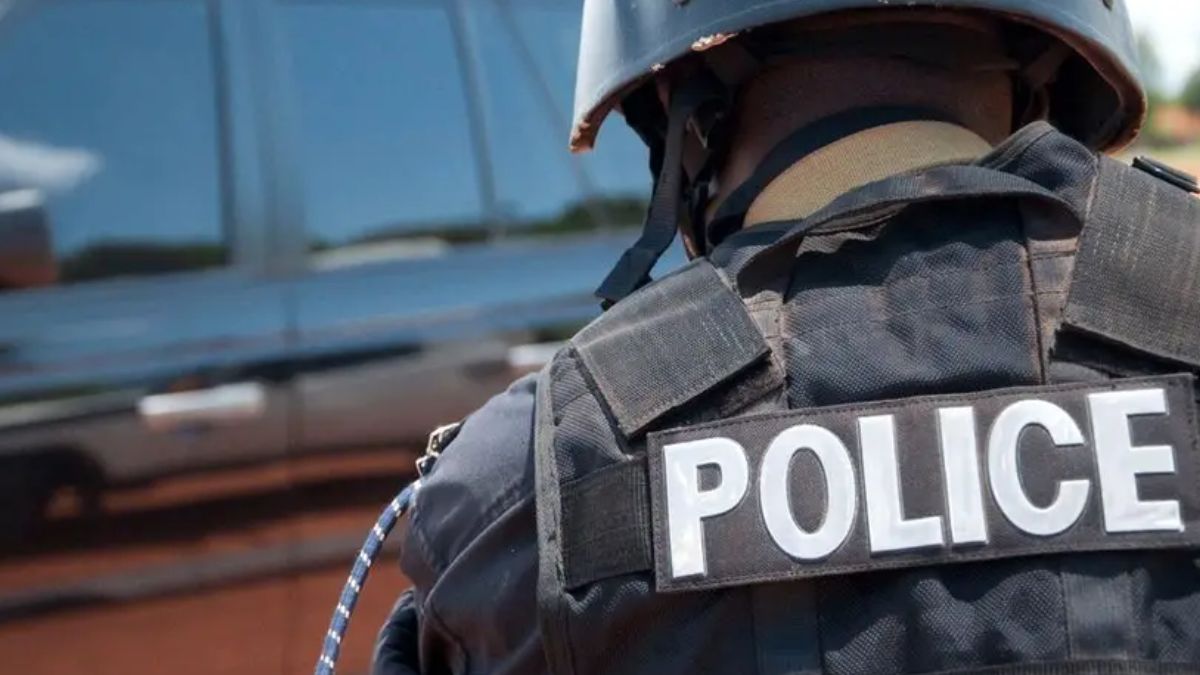


The Sports Journalists Association of Kenya (SJAK) has strongly condemned the alleged physical handling and intimidation of one of its members, Ruckiel Odikor, during the final day of the HSBC Rugby SVNS Series held at Nyayo National Stadium on February 15, 2026.
In a statement issued after consultations with key stakeholders, SJAK said it had prioritised engagement with the affected journalist, event organisers, the Kenya Rugby Union (KRU), and security agencies to establish the facts and ensure the journalist’s welfare.
Having concluded the initial consultations, the association described the incident as unacceptable and warned that sports venues must never become unsafe spaces for accredited media professionals.
“Journalism is not a crime, and a sports venue must never become a place of fear for accredited media professionals,” SJAK said.
Broader concern over media safety
While acknowledging the cooperation shown so far by KRU and security officials, SJAK emphasised that the matter goes beyond a single sport or event.
The association expressed concern over what it termed a growing pattern of hostility toward journalists covering sporting events — including intimidation, obstruction of coverage, confiscation of equipment and physical harassment.
SJAK said such incidents point to systemic gaps in media management within the sporting ecosystem.
“No breach of protocol, disagreement or misunderstanding can justify physical force against a journalist,” the statement read, adding that enforcement of venue regulations must remain administrative and procedural — not physical.
The association noted that where journalists are deemed to have violated rules, appropriate measures include withdrawal of accreditation, referral to their respective media houses, or internal disciplinary action through SJAK structures.
Call for structural reforms
To prevent similar incidents, SJAK has formally called for its inclusion in Local Organising Committees (LOCs) for major international and high-risk local sporting events. The association said early involvement would help streamline zoning, access protocols and security briefings to minimise friction.
SJAK warned that failure by organisers to guarantee journalist safety could attract further measures, including advisories to media houses, withdrawal of pooled coverage arrangements, or even recommendations for non-coverage of unsafe events.
The association underscored that protecting journalists ultimately protects sport itself, as credible coverage enhances athlete visibility and commercial value.
“A journalist’s tools are the pen and the camera, not self-defence. Our duty is to tell the story of sport and not to survive it,” the statement concluded.
SJAK reiterated its commitment to dialogue, accountability and partnership with stakeholders to ensure sporting venues in Kenya remain safe, professional and respectful working environments.