Sri Lanka has announced that every Wednesday will be a public holiday for government institutions, schools, and universities as the island nation braces for potential fuel shortages triggered by the ongoing US and Israel conflict with Iran.
President Anura Kumara Dissanayake conveyed the gravity of the situation at an emergency meeting with senior officials on Monday.
“We must prepare for the worst, but hope for the best,” he said.
The move is the latest in a growing list of budgetary constraint being adopted across Asia since the conflict effectively choked off the Strait of Hormuz, a critical waterway through which millions of barrels of oil from the Gulf flow into the region each day.
Nearly 90% of all oil and gas passing through the strait last year was destined for Asia, the world’s largest oil-importing region.
Across the continent, governments are responding to the crisis in varying ways.
Thailand is encouraging citizens to ditch formal suits in favour of short-sleeved shirts to cut down on air conditioning use, while Myanmar has restricted private vehicle usage to alternate days based on licence plate numbers.
Bangladesh has moved forward Ramadan university holidays and introduced planned nationwide blackouts to reduce energy consumption.
In the Philippines, some government offices have shifted to at least one work-from-home day per week.
President Ferdinand Marcos Jr has banned non-essential travel in the public sector while announcing cash assistance of between 3,000 and 5,000 pesos for tricycle drivers, farmers, and fishermen to help cushion the blow of rising fuel costs.
Vietnam, meanwhile, is strongly urging its citizens to cycle, carpool, use public transport, and cut back on personal vehicle use.
Back in Sri Lanka, Wednesday was deliberately chosen as the additional rest day to avoid creating a three-day consecutive closure of government offices.
Essential service providers, including health and immigration authorities, are exempt from the new arrangement.
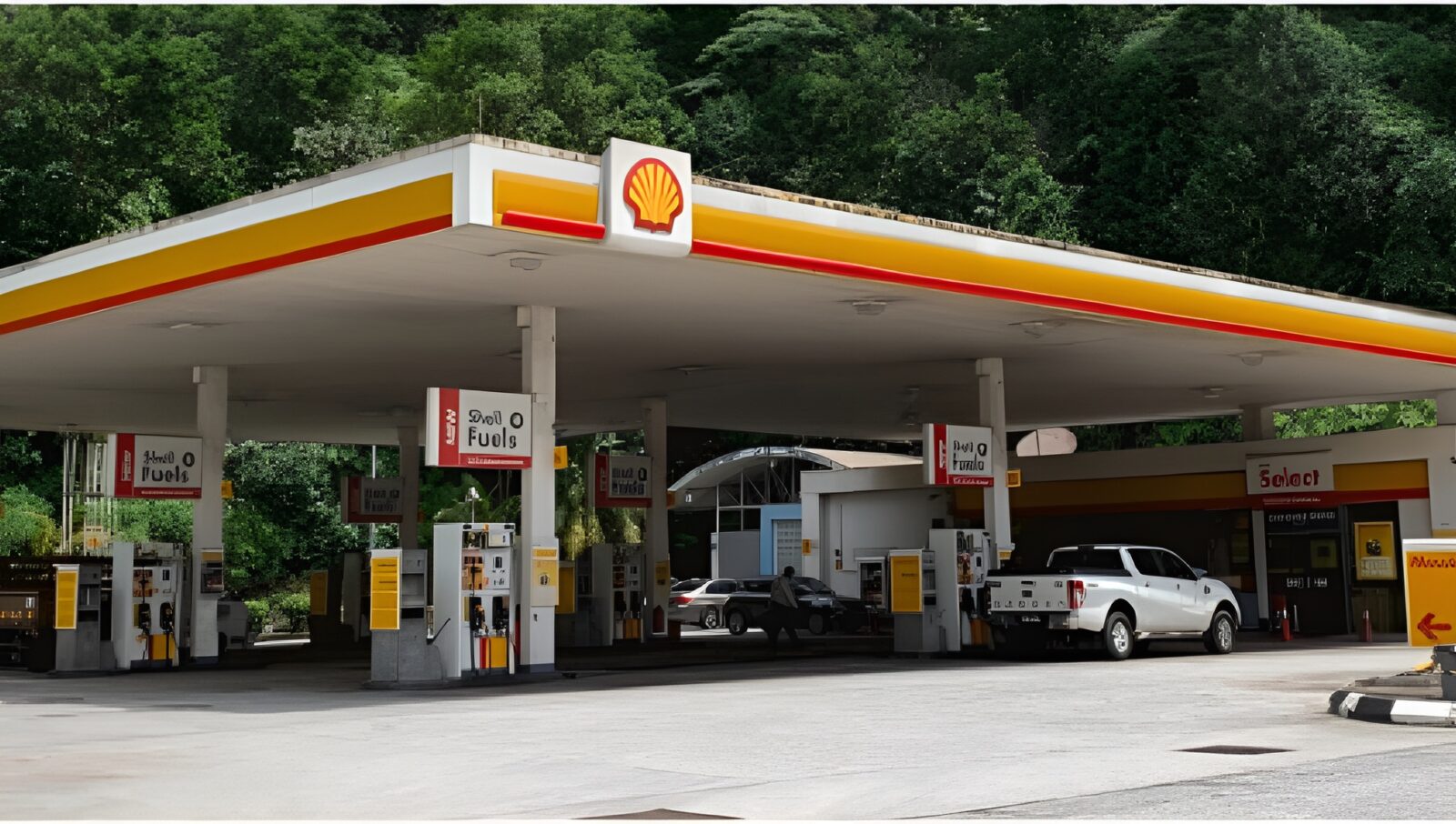
Motorists have also been required to register for a National Fuel Pass, which limits how much fuel individuals can purchase – 15 litres for private car owners and five litres for motorcycle riders.
The rationing system has drawn criticism from some Sri Lankans who feel the allocations are too restrictive.
The fuel pass mechanism is not new to Sri Lanka, it was first introduced in 2022 during the country’s most severe economic crisis, when depleted foreign reserves left the nation unable to import essential goods or secure adequate fuel supplies.
Oil prices have surged since the United States and Israel launched strikes on Iran late last month, with the cost of a barrel currently hovering around $100 (approximately Ksh 12,900 to Ksh 12,950 Kenyan Shillings).