As Kenya’s Affordable Housing Programme gathers pace, attention is increasingly shifting to the industries powering the construction drive and the long-term affordability of the units under development.
A visit to Jumbo Steel Mills in Kilifi County and the Nyali Affordable Housing Project reveals both the industrial momentum behind the programme and the questions that continue to trail it.
From Scrap Metal to Reinforcement Bars
At the Rabai-based steel manufacturer, the housing programme begins far from the construction site. According to Abdala Hussein, Assistant Manager at Jumbo Steel Mills Limited, the process starts with the collection and delivery of scrap metal from various parts of the country.
“Every truckload that comes in is inspected, sorted and graded to ensure we remove contaminants and maintain quality standards,” Hussein said during the tour of the facility.
Inside the plant, heaps of scrap metal are fed into high-temperature furnaces where they are melted into molten steel. The liquid metal is then refined and cast into billets semi-finished steel products that form the base for reinforced bars.
Hussein, explained that the billets are passed through rolling mills where they are shaped into ribbed reinforcement bars commonly used in housing construction.
“The rolling process ensures uniformity in size and strength. After that, the bars are cooled, cut to specification and subjected to quality control tests to meet Kenya Bureau of Standards requirements before dispatch,” Hussein noted.
He added that since the launch of the Affordable Housing Programme, demand for reinforcement steel has risen significantly, prompting the company to expand its workforce from 800 to 1,200 employees. Many of the new hires are drawn from Kilifi County and neighboring areas.
“The housing programme has had a direct impact on our production volumes and staffing. We have had to increase shifts and optimise operations to meet supply timelines,” Hussein said.
Patel, the Plant Manager observed that beyond direct employment, the company has stimulated the regional economy by supporting transporters, scrap dealers and other suppliers within the value chain. “It’s not just the factory workers who benefit. There are many small businesses connected to our operations,” he said.
Nyali Project at 50.5 Percent Completion
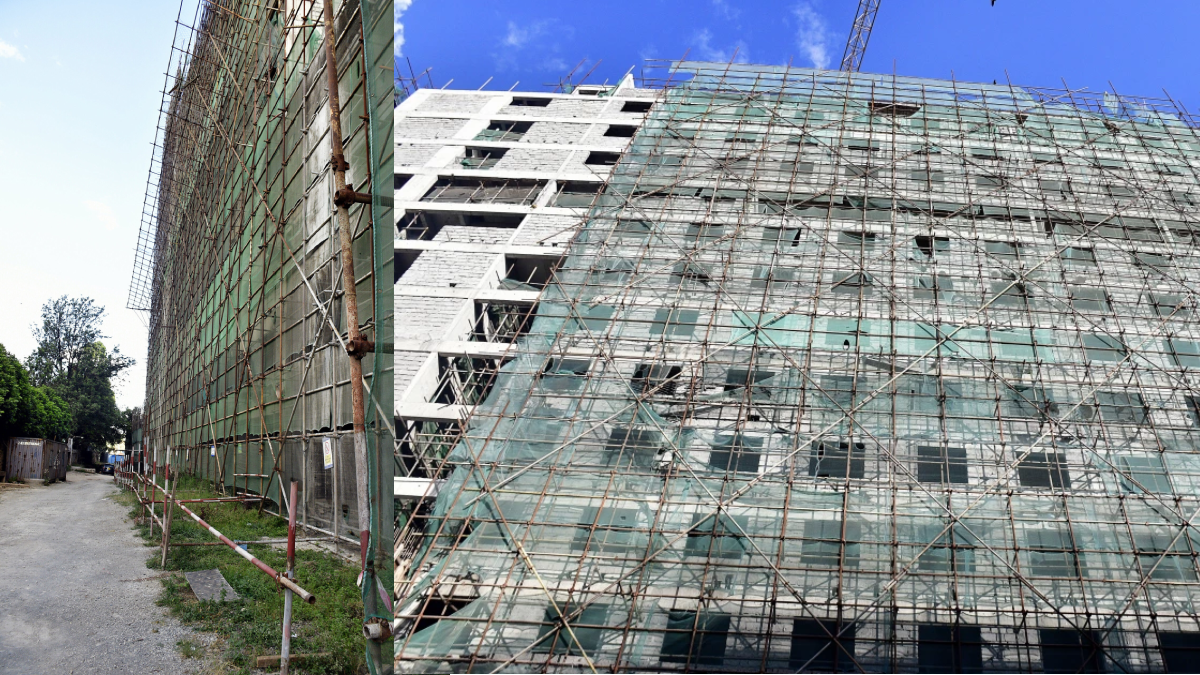
A few kilometres from the plant stands the Nyali Affordable Housing Estate, one of the flagship projects in the coastal region.
Architect Aggrey Maganga, who oversees the design and implementation aspects of the project, said construction began in February 2025 and has now reached 50.5 per cent completion.
The development sits on 22.85 acres and comprises 1,976 housing units spread across multiple residential blocks. The project is valued at approximately Sh5.9 billion, with completion targeted for mid-February 2027.
“We are working within a structured timeline, and so far progress aligns with our construction schedule,” Maganga said. “The availability of locally manufactured materials, including steel, has helped reduce logistical delays.”
Maganga explained that the design incorporates a mix of unit typologies aimed at accommodating different income brackets. The estate also includes supporting infrastructure such as internal roads, drainage systems and green spaces to enhance livability.
Currently, more than 650 workers are directly employed on site, including engineers, masons, electricians and general laborers. Dozens more are engaged indirectly through subcontracted services and material supply.
Ongoing Questions on Cost and Access
Even as the structures rise, debate continues over the programme’s funding model and long-term affordability. Critics have questioned whether contributors to the housing levy will have equitable access to the completed units and whether final prices will remain within reach amid rising construction costs.
Economists also warn that inflationary pressures and fluctuating material prices could influence the eventual cost of the homes.
For manufacturers like Jumbo Steel Mills, however, the focus remains on meeting demand and maintaining quality standards. For project architects in Nyali, the priority is delivering within budget and on schedule.
As construction advances toward the 2027 target, the Nyali project stands as both a symbol of industrial mobilisation and a test case for whether Kenya’s Affordable Housing Programme can balance scale, cost and accessibility for ordinary citizens.