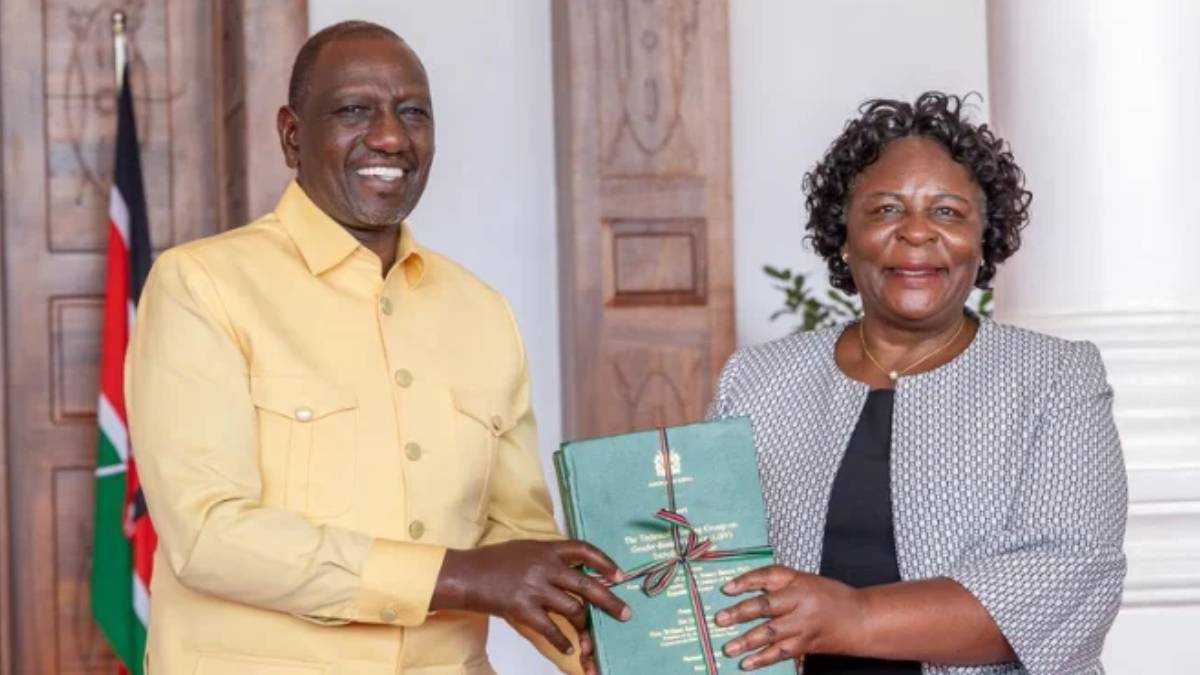
Kenya is facing a silent but deadly epidemic; gender-based violence (GBV) and femicide. The recently released report by the Presidential Technical Working Group on Gender-Based Violence, including Femicide, exposes this harsh reality. The report details a rapidly escalating crisis that threatens lives, undermines human dignity, and tears at the very fabric of our society.
According to the Kenya Demographic and Health Survey (KDHS) 2022, 34 per cent of women aged 15–49 have experienced physical violence since age 15, with a sizable portion, 54 and 71 per cent suffering physical violence and sexual abuse respectively at the hands of their current husbands or intimate partners. Many more cases of psychological abuse and economic control within the family go unreported.
Additionally, the National Police Service Report (2025) reveals that the bulk of the 1,639 cases involving the killing of women recorded between 2022–2024 were committed by known individuals to the victims, often current or former intimate partners, portraying the home as the single-most dangerous place for lethal victimization.
These incidents rarely occur in isolation. They take place in familiar spaces and are often, sadly, perpetrated by those entrusted with the duty of protection: husbands, wives, partners, and family members. Too frequently, the cases go unchallenged while others are concealed, leaving families devastated, trust destroyed, and lives lost.
This situation raises a profound question of accountability; Who truly bears responsibility for GBV? Is it solely the individual perpetrator, or does the burden extend to families, communities, and institutions that permit or conceal it?
The Technical Working Group report emphatically points to the complicity of those around the violence. Families and communities sometimes obstruct justice through informal settlements, invoking culture and tradition to silence survivors. Extrajudicial resolutions have been found to hide crimes rather than confront them, perpetuating a continuum of impunity.
To break this cycle, we must embrace shared accountability. The report recommends clear consequences for family members or community actors who conceal GBV crimes or interfere with the justice process for survivors. In particular, the report proposes enacting legislation on citizen responsibility to mandate public reporting of GBV cases and impose penalties for willful non-reporting.
Ending the GBV crisis requires a deep introspection and a collective reimagining of our duty of care both to humanity and society. It involves deliberate scrutiny into the intricate web of factors that contribute to violence and sexual abuse and accepting individual and collective responsibility.
The buck must stop with all of us. Only through unified accountability, holding perpetrators personally accountable while breaking the barriers that perpetuate the culture of violence in the society, can we protect the sanctity of life and restore the dignity of every Kenyan.
Gender-based violence is not just an individual failing. It is a systemic issue that demands collective action.
By James Odero, a Communication and PR Practitioner