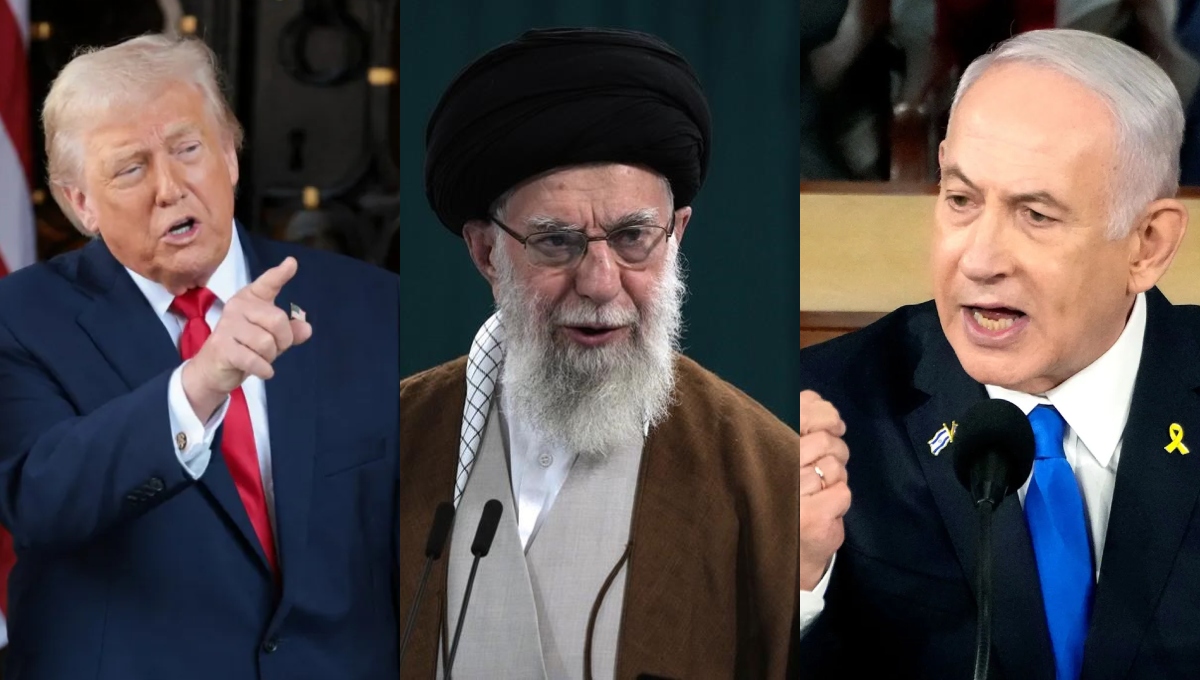
Iran is facing one of its most intense periods of confrontation in years after a series of targeted strikes hit key sites across the country.
Reports indicate these attacks involving the United States and Israel struck military installations and areas tied to leadership operations.
Iran responded quickly, launching retaliatory missile and drone strikes against U.S. bases in the region and Israeli positions, signaling a serious escalation from previous proxy or indirect conflicts.
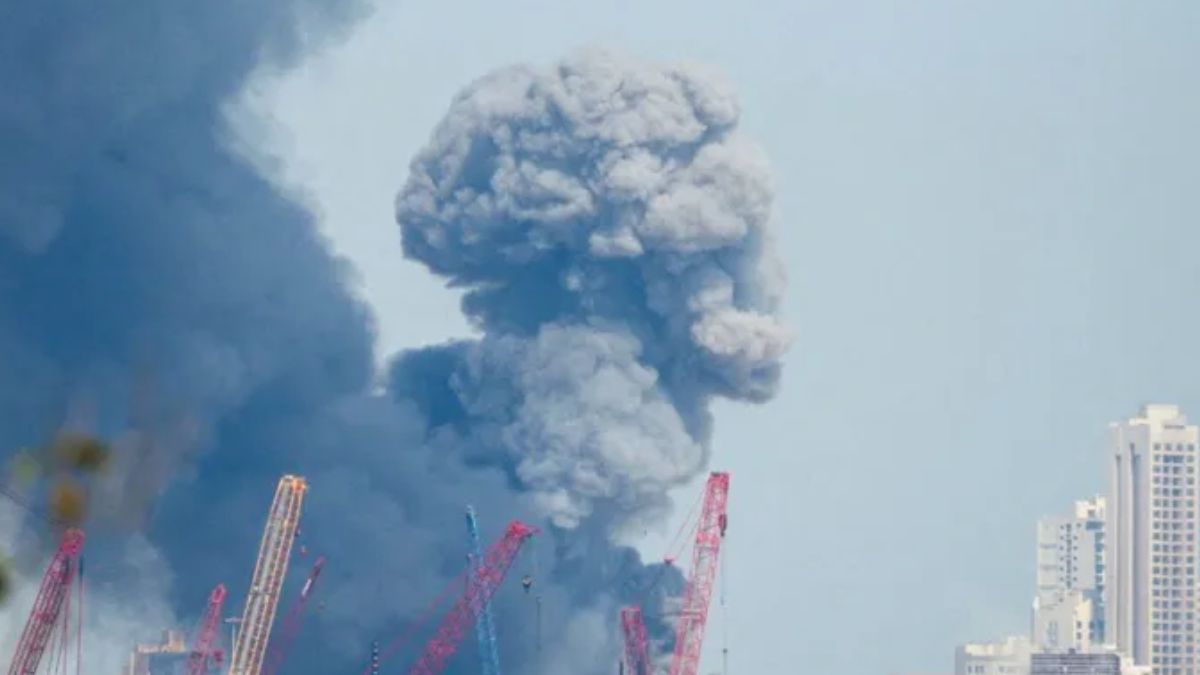
The strikes have caused significant damage, including explosions in urban areas, and there are reports of civilian casualties.
Streets in major cities have seen smoke, sirens, and restricted movement, affecting daily life for millions. Schools, government offices, and infrastructure in some areas have been disrupted.
This escalation matters for several reasons. Strategically, Iran is now directly targeted by powerful militaries, shifting the confrontation from indirect conflict to open, high-stakes engagement.
Regionally, Iran’s allied groups — including militias in Iraq, Syria, Yemen, and Lebanon — could respond if they see their patron state under threat, raising the risk of a wider Middle East conflict.
The economic impact is already evident. Tensions near the Persian Gulf threaten the Strait of Hormuz, a critical passage for global oil shipments, which could affect fuel prices worldwide.
Domestically, the country’s economy, already under pressure from sanctions and inflation, faces further strain as uncertainty and military pressure grow.
Diplomatically, the timing couldn’t be more complicated. Iran was engaging in intermittent negotiations over its nuclear program and broader international relations. These strikes, however, make talks far more difficult, as trust and leverage are shaken on all sides.
What’s happening now isn’t just about explosions on the ground, it’s about Iran’s political stability, its relationships with allies and rivals, and the ripple effects that could touch the region and the world.
Every movement, every statement from Tehran or the countries involved, is being watched closely because the stakes are high and the situation could evolve quickly.