
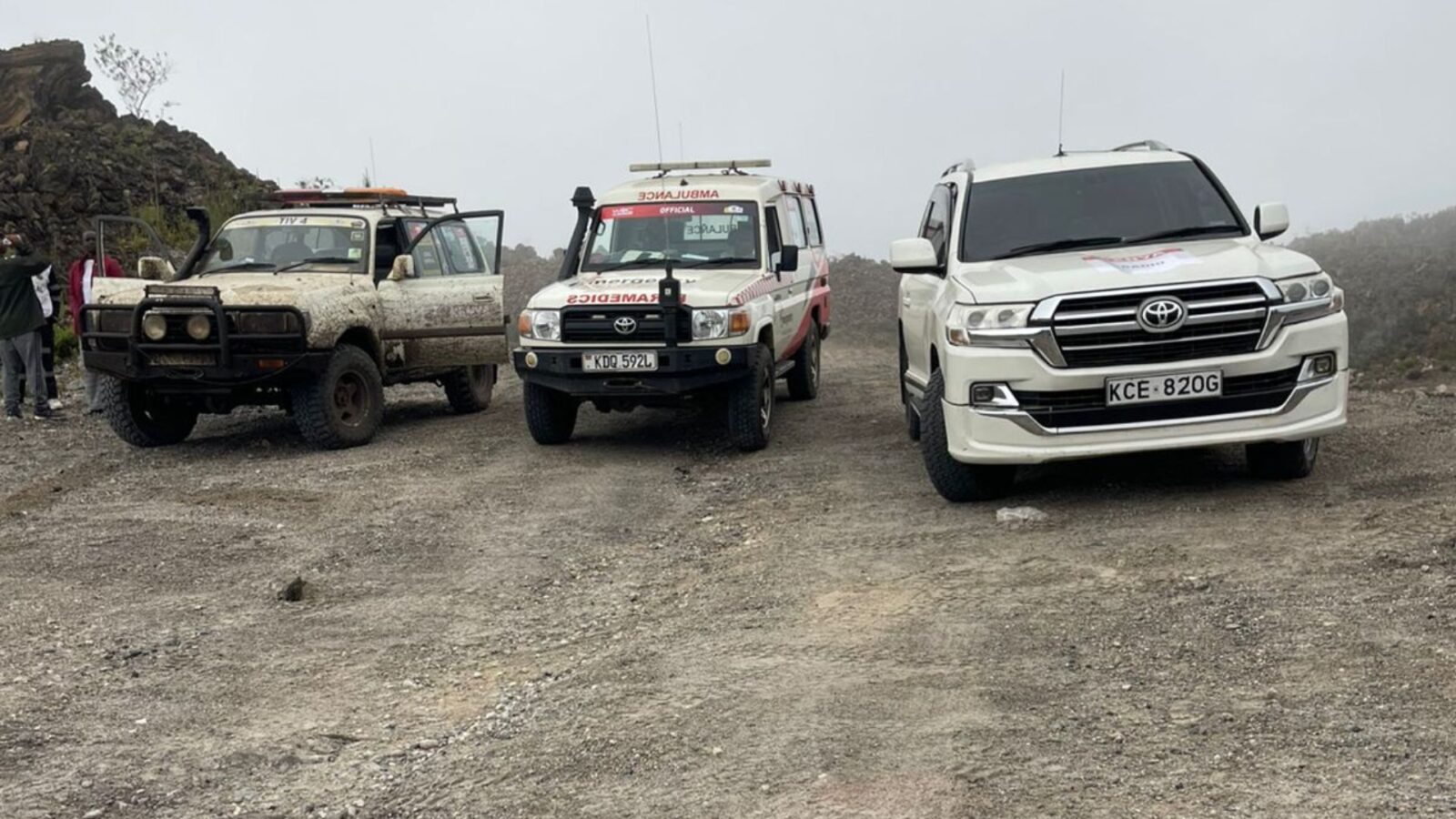
There is a special kind of silence just before a race begins. It is calm, almost peaceful, but filled with anticipation. As a radio point marshal, I stand in that moment, knowing that in seconds, everything will shift from stillness to intensity.
I take my position along the track, headset firmly on, radio in hand. In that moment, I am no longer just a spectator, I become part of the system that keeps the race safe. My responsibility is clear: observe everything within my section and communicate accurately with race control.
Once the race begins, the environment transforms instantly. Cars rush past at high speed, engines roaring, dust filling the air. It is exciting, but my focus cannot drift. I watch closely for anything unusual, a car losing control, debris on the track, or a driver in trouble. Every detail matters.
When an incident happens, there is no room for hesitation. I must react immediately, pressing the radio button and delivering a clear and concise report. I mention the car number, describe what has happened, and indicate whether the driver is safe. Even when the situation feels intense, my voice must remain calm and controlled. That clarity ensures the right response teams act quickly.
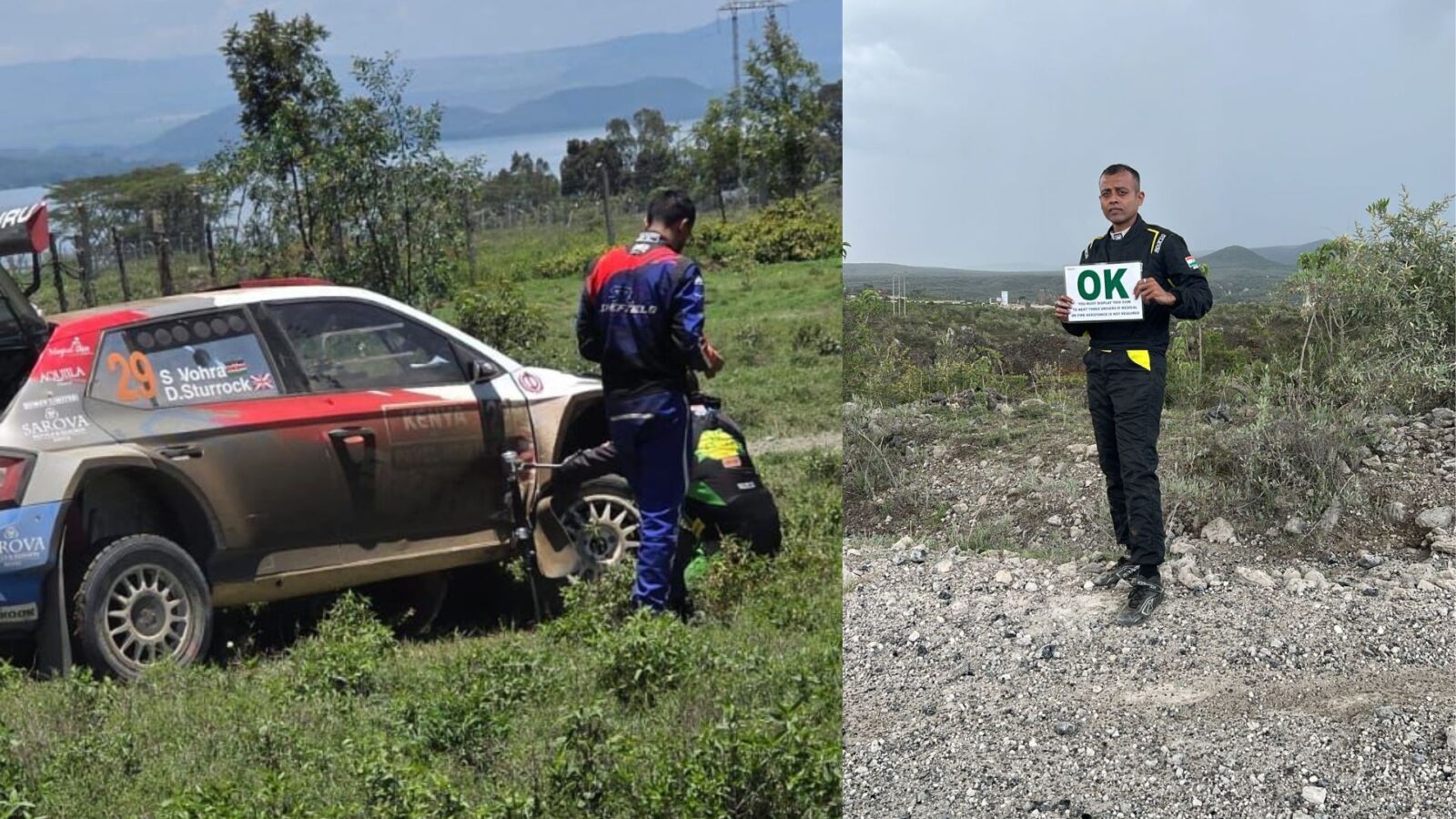
However, being a radio marshal is not only about handling emergencies. It requires patience and consistency. I stay alert throughout the race, giving updates and confirming that my section of the track remains safe. Even in quiet moments, I know that anything can change within seconds.
There is also a strong sense of teamwork. Though they are stationed in different areas, all marshals are connected through communication and trust. Each one of them plays a role in maintaining safety and order.
At the end of the race, when everything goes quiet again, I feel a deep sense of pride. My role may not be visible to many, but it is essential to the success and safety of the event. The radio team checks out and waits for the next day to do it again.