Waste management in Kenya remains one of the country’s most pressing environmental and public health challenges, driven by rapid urbanization, population growth, and changing consumption patterns.
As cities expand and lifestyles evolve, the volume of waste generated continues to rise, often outpacing the systems in place to manage it.
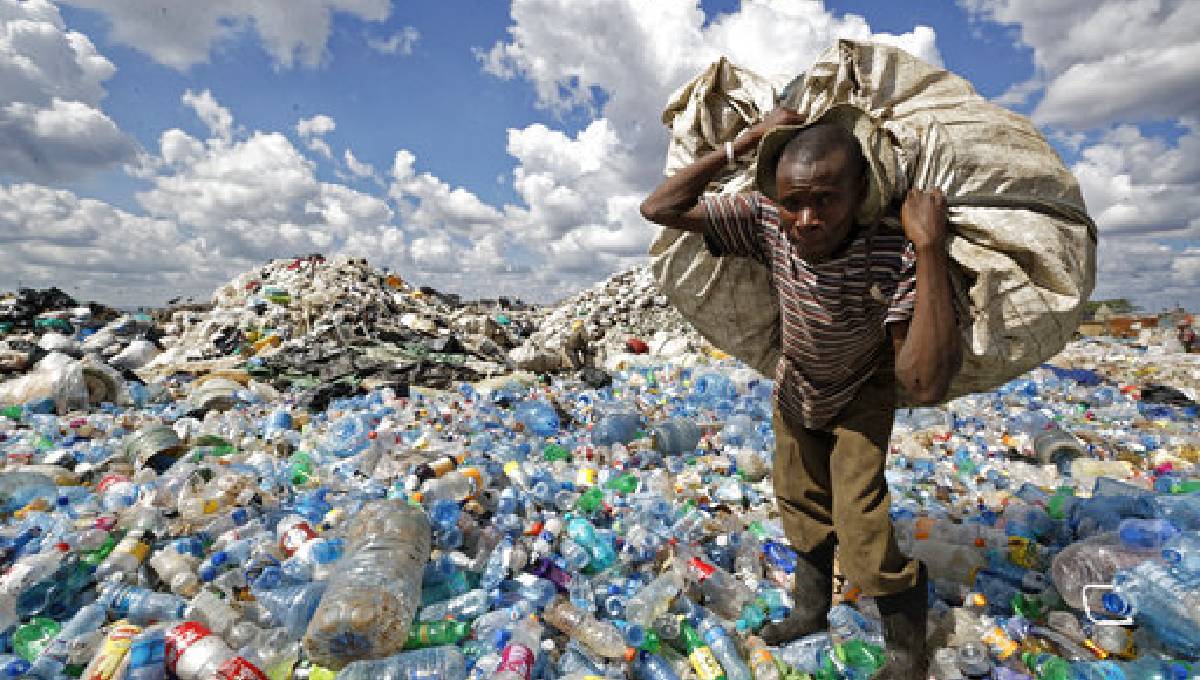
In major urban centres such as Nairobi, large amounts of waste are produced daily, yet a significant portion goes uncollected or is improperly disposed of.
This has resulted in overflowing dumpsites, clogged drainage systems, and widespread pollution in rivers and residential areas, creating both environmental degradation and serious health risks.
The challenges facing waste management in Kenya are complex and interconnected.
Limited infrastructure, including a shortage of sanitary landfills and recycling facilities, continues to hinder effective waste disposal.
At the same time, low levels of waste segregation at the household level make recycling difficult, as different types of waste are mixed together.
Weak enforcement of existing regulations further compounds the problem, while rapid urban growth continues to strain already overstretched systems.
In many areas, waste collection relies heavily on informal collectors who often operate without adequate support, recognition, or protection.
These systemic gaps have contributed to increased cases of waterborne diseases, air pollution from open burning, and contamination of natural ecosystems.
In response to these challenges, Kenya has made notable strides in strengthening its policy and legal framework. The introduction of the Sustainable Waste Management Act of 2022, alongside Extended Producer Responsibility (EPR) regulations, represents a significant shift in how waste is managed.
These policies require producers to take responsibility for the entire lifecycle of their products, including post-consumer waste, moving the country away from a traditional “take–use–dispose” model toward a more sustainable circular economy.
Other regulated waste streams under this framework extend beyond packaging to include electrical and electronic equipment, batteries and accumulators, end-of-life vehicles, and non-packaging items such as textiles, tyres, furniture, sanitary products, and artificial hair, signaling a more comprehensive and inclusive approach to waste accountability.
A central player in implementing this framework is Kenya Extended Producer Responsibility Organization, an industry-led body that brings together manufacturers, recyclers, and other stakeholders to manage post-consumer waste.
KEPRO plays a key role in coordinating waste recovery systems, linking producers with collectors and recyclers, and supporting the development of recycling infrastructure through funds collected under the EPR scheme.
However, even as the framework gains momentum, tensions are emerging between regulators and industry players.
Manufacturers in Kenya have once again urged the government to review the implementation of charges under the EPR compliance framework, cautioning that the fees could strain businesses and eventually be transferred to consumers.
These concerns have intensified following a recent court decision that lifted conservatory orders which had temporarily shielded manufacturers from complying with the charges.
The orders had initially been granted after industry players challenged the fees as excessive, but with the suspension now lifted, firms are required to remit the charges pending the full hearing and determination of the case.
Under the current framework, manufacturers are required to pay KSh150 per item for products and packaging listed under the EPR scheme, particularly for imported goods.
The first schedule of the regulations covers a wide range of categories, including packaging for non-hazardous products such as plastics, glass, aluminum, and paper-based materials, as well as hazardous product packaging like industrial chemicals, pharmaceuticals, and agrochemicals.
This broad scope has further fueled concerns about the potential financial impact on businesses across multiple sectors.
Kenya Association of Manufacturers has also raised issues over the lack of clarity in the regulations, particularly around the definition of a “unit item” in key categories.
Manufacturers argue that this ambiguity could lead to inconsistent or inflated compliance charges, complicating implementation.
According to Georgina Wachuka, the impasse can be resolved through constructive dialogue with regulators, noting that clarity would enable manufacturers to support government objectives, including job creation, while meeting environmental obligations.
Industry stakeholders continue to caution that unresolved regulatory concerns may have wider economic implications.
James Odongo, Chief Executive Officer of KEPRO, observes that while many producers have been engaging with EPR frameworks since 2018 and are willing to take on the responsibility of environmental stewardship, the current “teething issues” could result in compliance costs being transferred to consumers if not addressed.
On the regulatory side, National Environment Management Authority maintains that efforts are underway to resolve the concerns raised.
Bonface Mamboleo has indicated that nationwide stakeholder consultations are ongoing, aimed at ironing out ambiguities and ensuring smoother implementation of the regulations.
He acknowledges that the matter remains a significant pain point but expresses confidence that continued engagement will lead to a lasting solution.
These issues were highlighted during a recent stakeholder meeting on Kenya’s regulatory framework and enforcement landscape, which brought together representatives from KAM, NEMA, KEPRO, and the media.
The discussions underscored both the progress made in strengthening waste management policies and the urgent need for clarity and consensus in implementation.
The situation is particularly evident in informal commercial hubs such as Gikomba Market, one of Nairobi’s largest open-air markets.
Known for its trade in second-hand clothes, textiles, and assorted goods, Gikomba generates large volumes of mixed waste daily, including fabric offcuts, plastic packaging, and organic waste.
Much of this waste is rarely segregated at source, making recycling difficult and contributing to environmental pollution in surrounding areas.
During rainy seasons, poor waste disposal in and around the market often leads to blocked drainage systems and localized flooding, highlighting the direct link between waste management failures and urban vulnerability.
At the same time, Gikomba also reflects the potential of a circular economy. Informal waste pickers and traders within the market routinely recover and repurpose materials, extending the lifecycle of products and reducing overall waste.
However, without structured systems, investment, and policy support, these efforts remain fragmented and insufficient to address the scale of the problem.
Beyond such localized realities, Kenya is also witnessing the emergence of broader innovative solutions in waste management.
Recycling and upcycling industries are expanding, transforming waste into valuable products and creating employment opportunities.
Waste-to-energy initiatives are being explored to reduce reliance on landfills, while efforts to formalize informal waste collectors are improving both efficiency and livelihoods.
Technology is also playing a growing role in tracking and managing waste flows more effectively.
Ultimately, waste management in Kenya stands at a critical turning point. While the challenges are significant, they also present an opportunity to build a more sustainable and inclusive system.