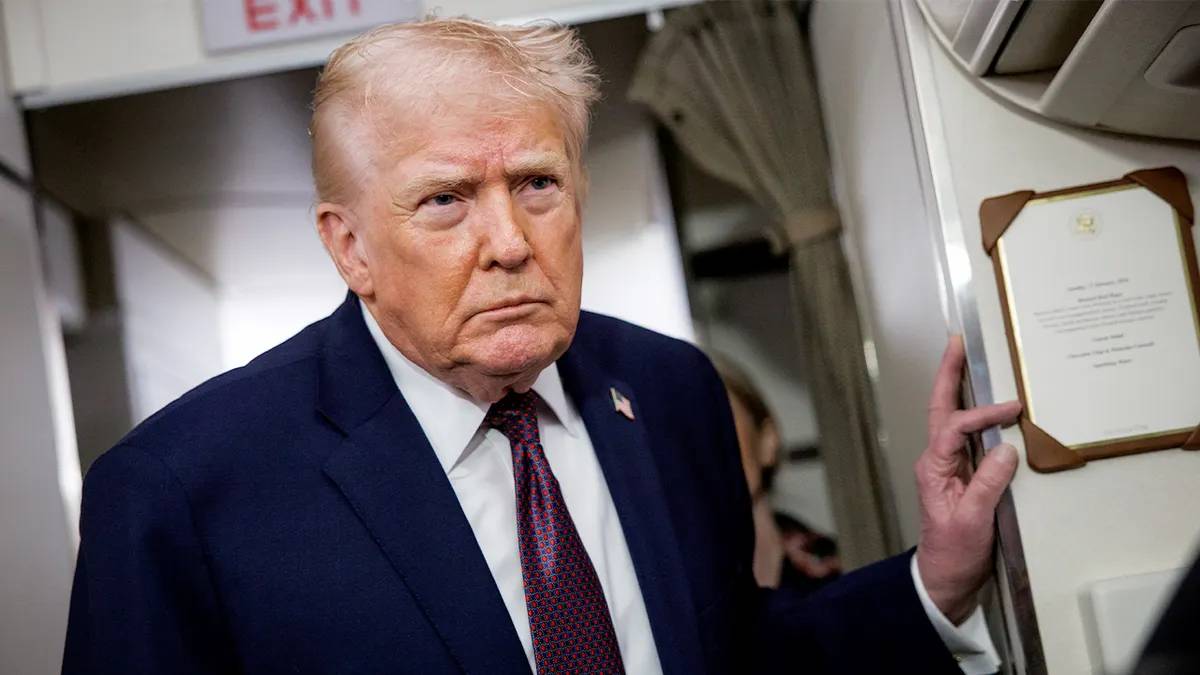
United States (U.S) President Donald Trump has cancelled all planned meetings with Iranian officials and issued strong messages in support of protesters amid a violent crackdown in Iran, as tensions between Washington and Tehran continue to rise.
In a social media post on Tuesday, Trump said assistance was imminent and encouraged demonstrators to take control of national institutions, without explaining what form the support would take.
His remarks came as Iran faces its largest wave of protests in years, triggered by political repression and economic hardship.
The U.S president has in recent days publicly considered the option of military action against Iran. On Monday, January 12, 2026, he announced that any country engaging in trade with Iran would face a 25 percent tariff, further tightening economic pressure on Tehran.
On the same day, the U.S State Department issued a security alert urging American citizens to leave Iran immediately due to escalating risks.
Human rights groups report a sharply rising death toll linked to the unrest. A US-based monitoring organisation says more than 2,400 people have been killed in the protest against the Iran’s economy and rise in corruption, while Iranian state media reports that over 100 members of the security forces have died.
These figures remain unverified, as a nationwide internet blackout entering its fifth day has severely limited access to information.
Analysts warn that potential US military strikes could deepen instability rather than resolve it. Iran is already under strain from internal repression, and external intervention could strengthen hardline factions within the country’s security apparatus.
It is noted that the absence of a unified or organised opposition increases the risk of prolonged violence if the current leadership structure collapses.
Iranian authorities have accused the United States of orchestrating unrest inside the country. Senior military officials have alleged that foreign actors, including the US and Israel, are backing armed groups to destabilise Iran, though no evidence has been publicly presented.
As tensions mount, regional and international actors continue to monitor the situation closely, amid fears that further escalation could trigger widespread instability beyond Iran’s borders.