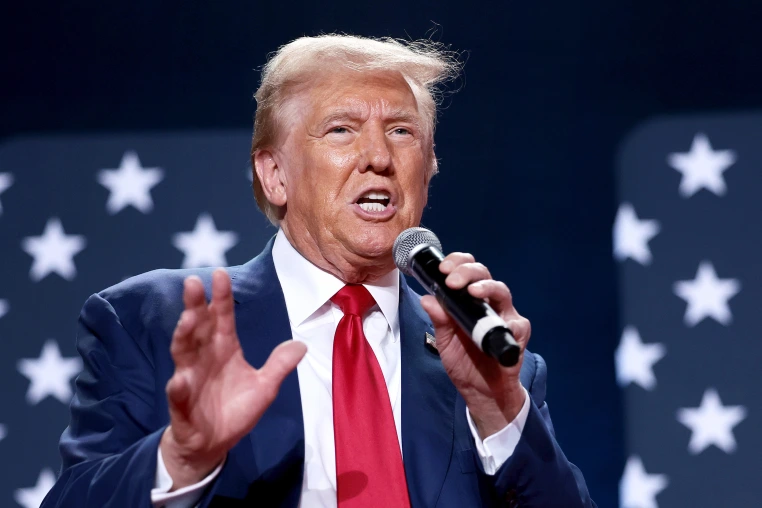
In a sweeping move that has reverberated around the world, U.S. President Donald Trump has significantly expanded his administration’s travel ban policy, adding dozens of nations to a list of countries whose citizens now face new entry restrictions into the United States.
The expansion, formalized in a presidential proclamation on December 16, 2025, brings the total number of countries subject to full or partial travel bans to 39, up from a much smaller list earlier this year.
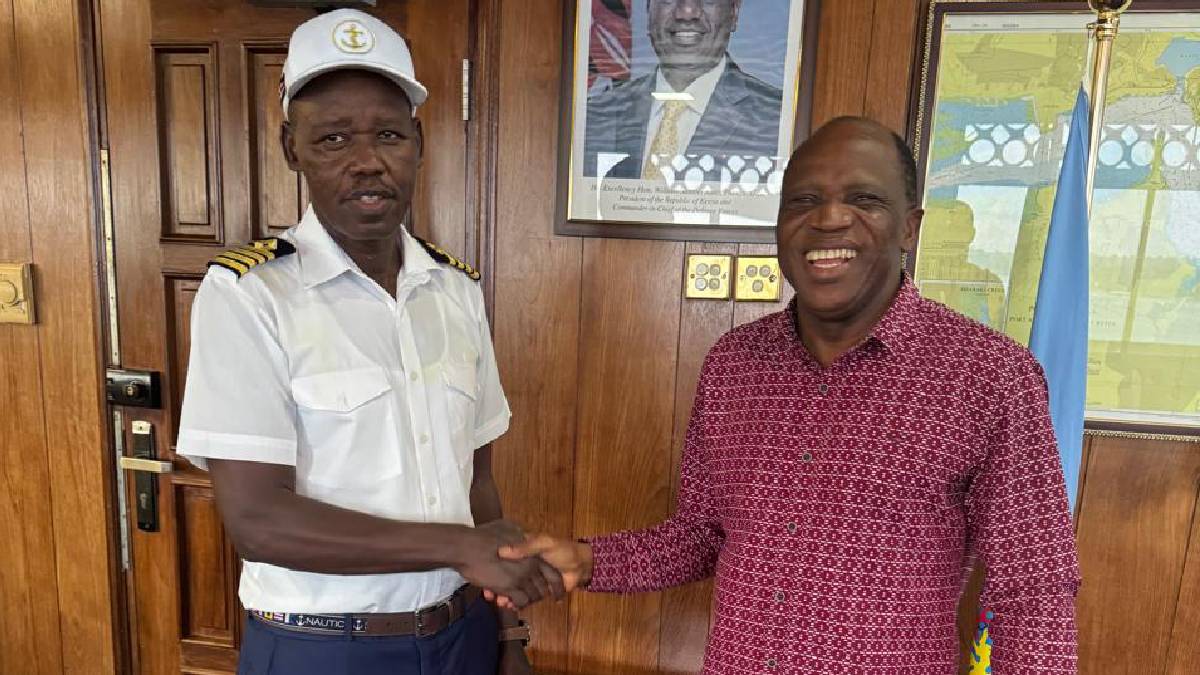
Among the newly included nations is Tanzania, which now faces partial restrictions and tighter entry requirements under the revised policy.
Tanzanian nationals, alongside citizens of other countries in Africa, the Caribbean, and beyond, will encounter heightened scrutiny when seeking visas to visit, study, work, or emigrate to the United States.
The White House defense paints the expansion as a necessary step to protect national security and improve vetting procedures.
Officials cited concerns over widespread corruption, unreliable civil documentation, high rates of visa overstays, and insufficient cooperation on returning deported individuals as justification for the restrictions.
According to the proclamation, affected countries have demonstrated persistent and severe deficiencies that hinder the U.S. government’s ability to assess travel risks effectively.
Under the updated regulations, five countries including; Burkina Faso, Mali, Niger, South Sudan, and Syria, are subject to full travel bans, meaning their citizens are barred from entering the U.S. in most circumstances.
A further 15 countries, including Tanzania, Nigeria, Senegal, Angola, and Zambia, face partial restrictions, which apply to a range of visa types for visitors, students, and would-be immigrants.
The proclamation does include exemptions: individuals who already hold valid visas, permanent residents of the United States, diplomats, athletes, and travelers whose entry is deemed to serve U.S. interests may still be admitted. Still, the overall effect sharply constrains new travel from many developing nations.
The expansion represents one of the most aggressive implementations of travel restrictions in recent U.S. history.
Critics argue that the list disproportionately targets nations with majority non-White populations and economies classified as low- to middle-income, raising accusations of bias and discriminatory policy.
Advocates for immigrants and human rights groups have condemned the move as punitive toward ordinary citizens who bear no responsibility for the cited vetting failures.
For countries like Tanzania, the new restrictions carry real implications for families, students, and professionals who had hoped to pursue opportunities in the United States.
Officials in Dar es Salaam have acknowledged the issue and indicated ongoing diplomatic consultations with U.S. counterparts in hopes of addressing underlying concerns and potentially mitigating restrictions in the future.
The expanded travel ban is scheduled to take effect January 1, 2026, giving governments and travellers just weeks to prepare for the new regime.