A group of young people stand by the roadside, phones in hand, laughter in the air. One of them, mid-conversation, suddenly says it: “Tuko kadi.” The others nod, not as if a joke has been made, but as if something understood has just been confirmed.
“Tuko kadi”, a phrase borrowed from a popular game where a player must declare they are left with one card to stay in the game, has quietly transformed into one of the most powerful expressions among Kenya’s Gen Z.
What began as a hashtag, playful and fleeting like many internet trends, has now found its way into everyday language: in conversations, in streets and in spaces where young people gather and speak freely. But beneath its simplicity lies something deeper.
In its new meaning, “tuko kadi” is no longer about avoiding disqualification in a game. It has become a declaration, a signal.
A quiet but firm statement that we are present, we are ready and we are aware. It carries with it a sense of alertness, of being counted, of refusing to be invisible.
For a generation that has grown up in the age of digital expression, where memes often carry more weight than speeches, this shift is not accidental.
Gen Z does not always shout; they signal. They code their language. They move in waves that start online and, almost suddenly, appear in real life.
That is exactly what is happening here.
What started as a hashtag has now become a movement of language. And language, as history has shown, is often where real change begins.
Kenyan youth are not strangers to frustration. High unemployment rates, a rising cost of living and a growing sense of exclusion from decision-making spaces have shaped a generation that is both restless and observant.
They are watching systems that seem slow to respond, opportunities that feel increasingly distant and leadership that often appears disconnected from their lived reality.
In this context, “tuko kadi” begins to sound less like slang and more like a signal of political and social consciousness.
It is not a protest chant. Not yet. It is something more subtle and perhaps more powerful. It is the language of readiness: A readiness to participate, a readiness to question and a readiness to show up when it matters.
It reflects a generation that understands the rules of the game and is choosing not to be sidelined by them.
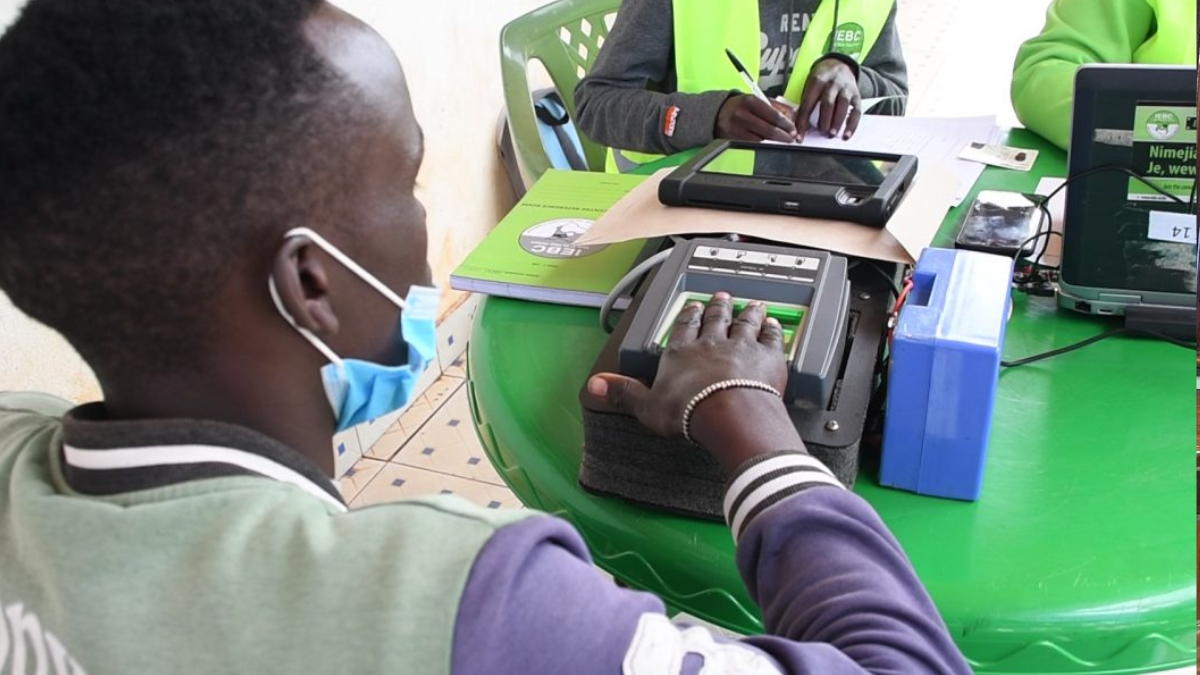
Across social media platforms, the phrase has been tied to calls for voter registration, civic awareness and collective presence.
Offline, it has become a way for young people to affirm to each other that they are engaged, that they are paying attention and that they are not asleep.
This is how movements often begin, not with loud declarations, but with shared understanding.
For leaders and institutions, this moment should not be ignored. Because when language shifts, it often signals a deeper shift beneath the surface.
A generation that once felt disengaged is beginning to find its voice and it is doing so in a way that feels natural, organic and impossible to centrally control.
“Tuko kadi” may sound casual, even playful. But in reality, it carries a quiet urgency.
It is a reminder that a new generation is stepping into awareness. That they are no longer on the sidelines.
That they are learning, organising and preparing in their own way. Perhaps most importantly, it is a statement that they are already in the game.
The question now is not whether they are ready; It is whether the rest of the country is ready for them.
Written by Awuor Candy