The United States has formally exited the World Health Organization (WHO) as of January 22, 2026, ending nearly 78 years of participation and marking a significant change in international health diplomacy. The move also withdraws the U.S. as the organization’s largest historical funder.
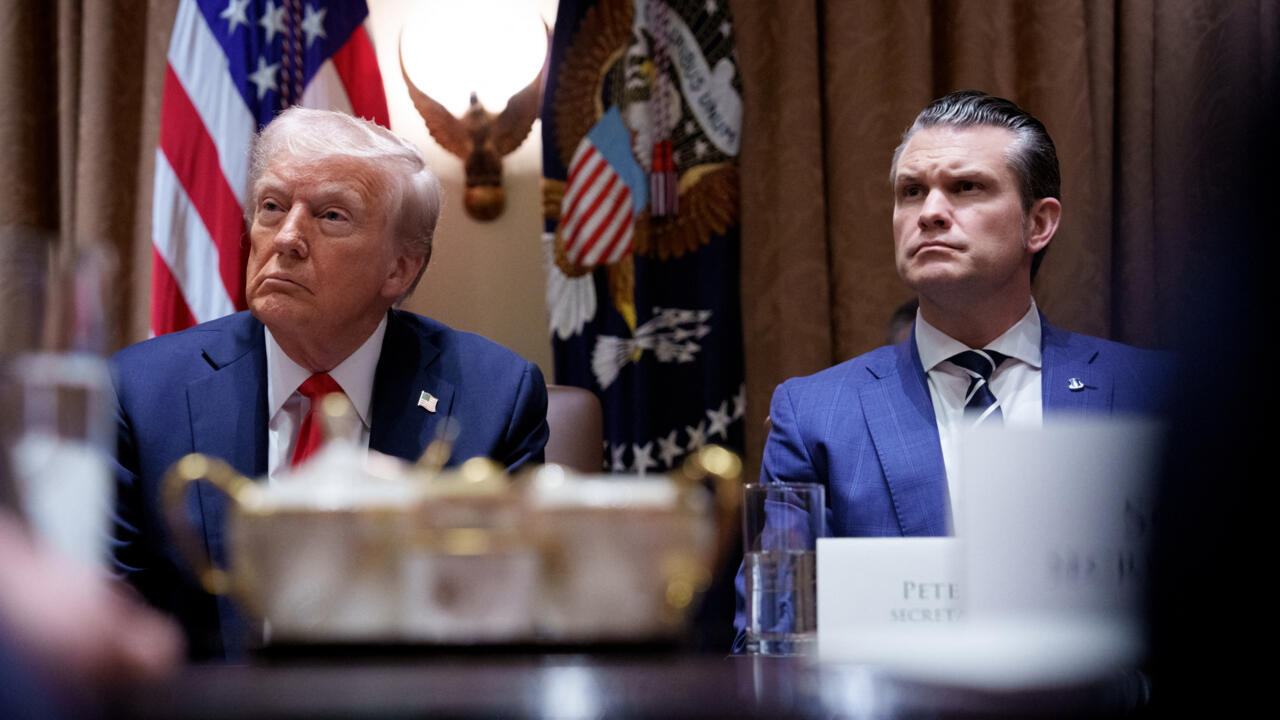
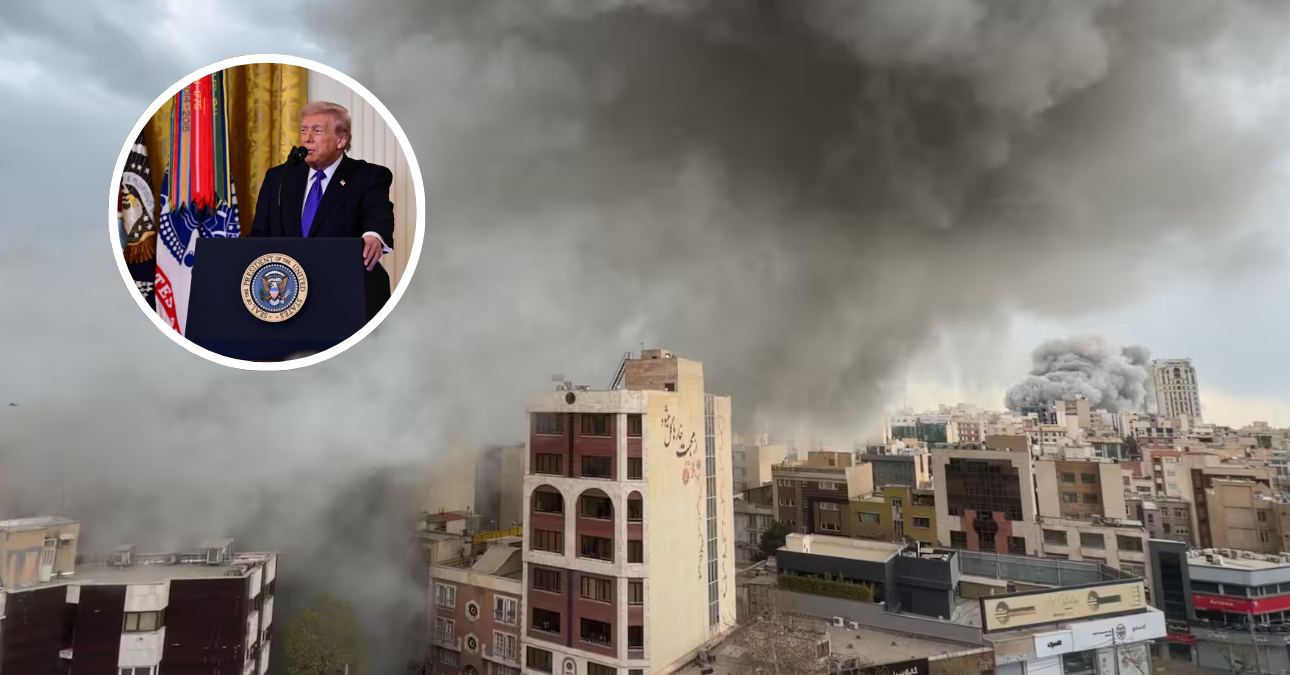
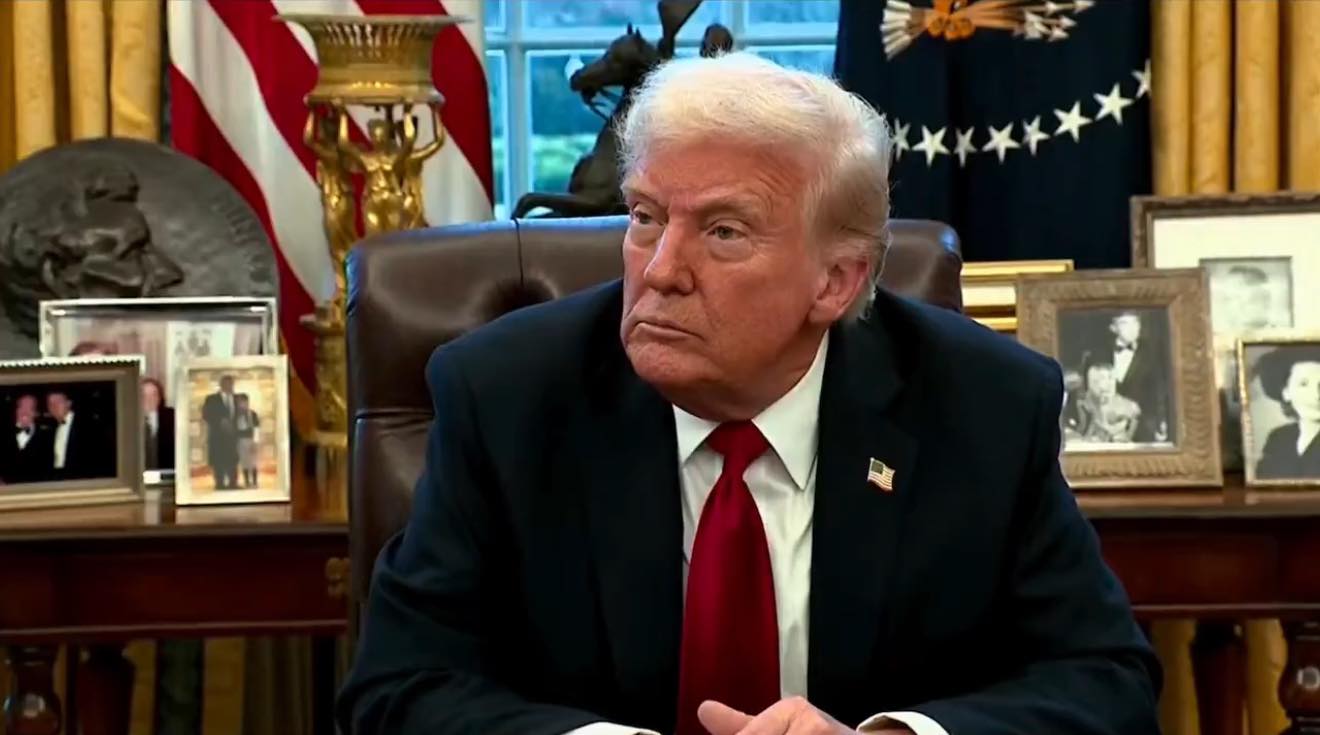
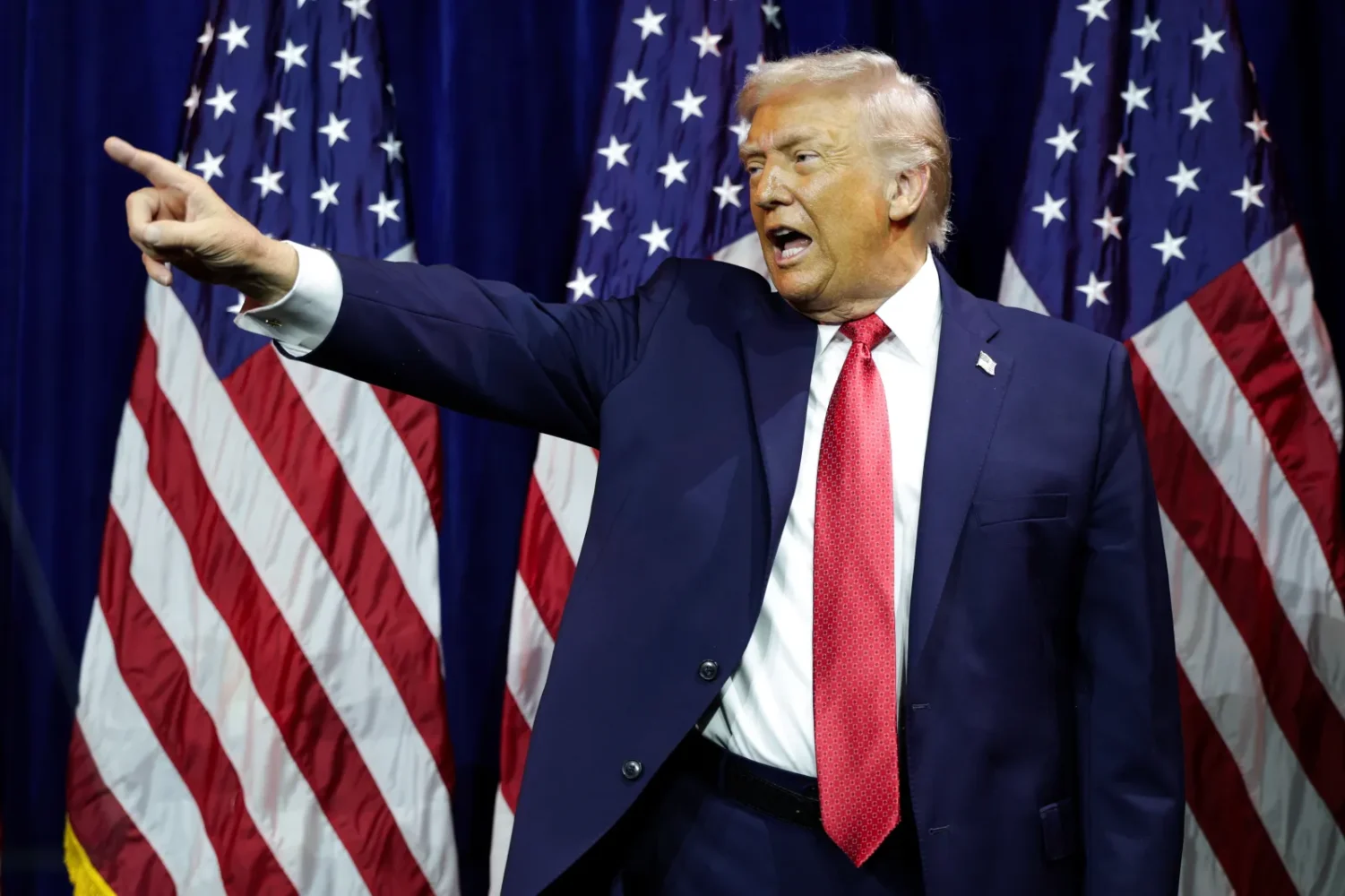
The withdrawal process was set in motion by President Donald Trump on his first day in office during his second term. On January 20, 2025, he signed an executive order outlining the decision to depart from WHO, alleging systemic failures within the agency. The order criticised WHO’s handling of the COVID-19 pandemic, suggested undue political influence—particularly from China—and argued that the United States should not shoulder disproportionate financial responsibility.
Under World Health Organization rules and U.S. law, a one-year notice period was required to finalise the departure. During this time, Washington ceased all funding to WHO, withdrew American staff from WHO offices abroad, and shifted its health engagement strategy toward direct bilateral cooperation with individual countries and organisations.
Statements from the U.S. Department of Health and Human Services and the State Department confirmed that the withdrawal is complete. U.S. officials have described the decision as a necessary step to move away from what they view as an organisation constrained by bureaucracy and political pressures.
A point of ongoing disagreement centres on unpaid dues. WHO estimates that the U.S. still owes between $260 million and $278 million for assessed contributions in the 2024–2025 period. While traditional interpretation of U.S. withdrawal requires settling such obligations, the current administration disputes this requirement, asserting that past contributions—especially for pandemic response—fulfilled its financial commitments. Washington has stated it will not make additional payments.
The WHO has suggested that some member-state discussions may still be necessary before the organisation formally records the U.S. departure, possibly during the Executive Board meeting in February 2026 or the World Health Assembly in May. However, the United States maintains that its exit is final and has signalled no intent to re-engage.
The departure has created substantial challenges for the WHO. The United States previously contributed roughly 18–20% of the agency’s budget, and losing that support has forced cuts of around 25% of staff, a leaner management structure, and scaled-back programme budgets.
Critical global health initiatives—such as efforts to eradicate polio, combat malaria and tuberculosis, support maternal and child health, and strengthen pandemic preparedness—are now under strain. Experts warn that reduced funding could weaken international disease surveillance systems like the Global Influenza Surveillance and Response System, slowing the detection of emerging threats.
Regions that depend heavily on external funding, such as parts of Africa, may experience higher out-of-pocket costs for essential services, limited access to treatment and potential setbacks in disease control progress.
Within the United States, the exit also limits direct participation in WHO networks that provide early warnings about new health threats, guidance on vaccine strain selection and shared outbreak intelligence, although some public data will remain accessible.
In place of WHO membership, the U.S. plans to expand bilateral health agreements, work more closely with non-governmental organisations and faith-based partners, and pursue alternative avenues for global health collaboration.