The fallout from the controversial 2025 Africa Cup of Nations final between Morocco and Senegal continues to dominate headlines, with the dispute now shifting from the pitch to the courtroom.
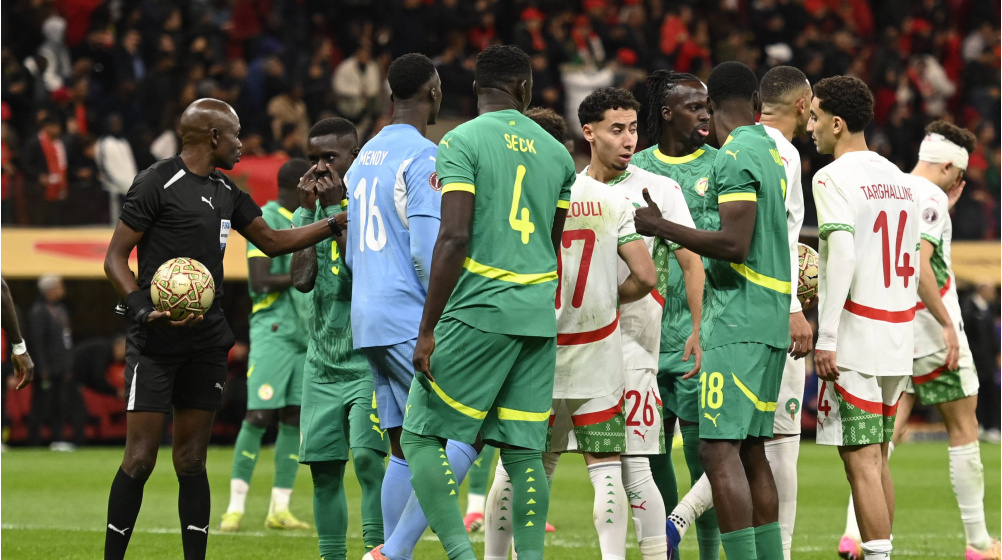
At the centre of the storm is a dramatic moment that saw Senegal players briefly walk off the field in protest of a VAR decision a move that has ultimately cost them the title.
The Confederation of African Football (CAF) ruled that the walk-off constituted a breach of tournament regulations, awarding Morocco a 3-0 victory by default and stripping Senegal of the AFCON crown.
Rules over emotion
While the decision has sparked outrage among Senegal fans and sections of the football community, the legal framework backing CAF’s ruling appears firm.
Under standard international football regulations aligned with FIFA principles, a team that leaves the pitch without the referee’s approval is deemed to have refused to continue the match effectively forfeiting the game.
CAF’s regulations go further, making the sanction automatic. Articles 82 and 84 clearly prescribe a 3-0 default loss in such situations, leaving little room for interpretation.
In essence, once Senegal walked off, the legal outcome was already set in motion regardless of what unfolded before or after.
VAR controversy sparks chaos
The trigger for the incident was a disputed VAR call that Senegal strongly disagreed with, leading to confusion and a temporary halt in play.
Even though the match later resumed and was completed on the pitch, the earlier breach proved decisive in the eyes of CAF.
This has raised questions about whether the punishment is too harsh, especially given the chaotic circumstances surrounding the decision-making process during the game.
Senegal heads to CAS
The Senegal Football Federation has since confirmed it will challenge CAF’s ruling at the Court of Arbitration for Sport, sport’s highest legal body.
However, legal experts suggest the chances of overturning the decision remain slim.
CAS typically reviews cases on three main grounds: Procedural errors, arbitrary decisions and disproportionate sanctions
None of these, at first glance, are clearly evident in CAF’s handling of the matter.
Where Senegal could argue
Despite the uphill task, Senegal may still attempt to build a case around two key arguments:
That the match was eventually completed, potentially making the punishment excessive and That officiating confusion, including VAR intervention, contributed to the situation
Whether these points will be enough to sway CAS remains to be seen.
What next?
The case is expected to be heard in the coming months, with pressure mounting both politically and within African football circles.
For now, Morocco remains the official AFCON 2025 champion but the battle is far from over.
What is increasingly clear, however, is the stark divide between sporting reality and legal reality where what happens on the pitch does not always determine the final outcome.