The average age of a Kenyan drinker has declined significantly over the past decade. Kenya’s drinking population is increasingly youthful, not necessarily in formal age limits, but in profile and behaviour. Data indicates that alcohol consumption is now more common among younger cohorts than in previous years.
Drinking patterns have evolved, with young adults consuming alcohol more frequently and initiation occurring at earlier stages of life. As a result, today’s drinking culture looks markedly different from what it was a decade ago.
Findings from the National Authority for the Campaign Against Alcohol and Drug Abuse (NACADA), drawn from the National Survey on the Status of Drugs and Substance Use in Kenya, indicate that roughly one in eight Kenyans between the ages of 15 and 65 consumes alcohol. This equates to just over 3.2 million people nationwide.
While alcohol use among adults remains significant, younger adults, particularly men in their twenties, are becoming an increasingly visible segment of the drinking population. Notably, about 12 per cent of individuals around the age of 15 have already been exposed to alcohol consumption.
A closer look reveals that alcohol use among men starts relatively low during the teenage years but rises sharply with age. Approximately 5.7 per cent of males aged 15–19 report recent drinking, a figure that jumps to 21.8 per cent among those aged 20–24, before continuing its upward trajectory into later adulthood.
Among women, the pattern differs slightly. Young adult women between 20 and 24 years report higher levels of alcohol use compared to older female age groups, pointing to a generational shift in attitudes and social acceptance of drinking among women.
When combined with statistics showing that 12.8 per cent of 15–19-year-olds consumed alcohol in 2019, a relatively high rate compared to earlier cohorts, it becomes clear that alcohol use is increasingly concentrated in younger age brackets.
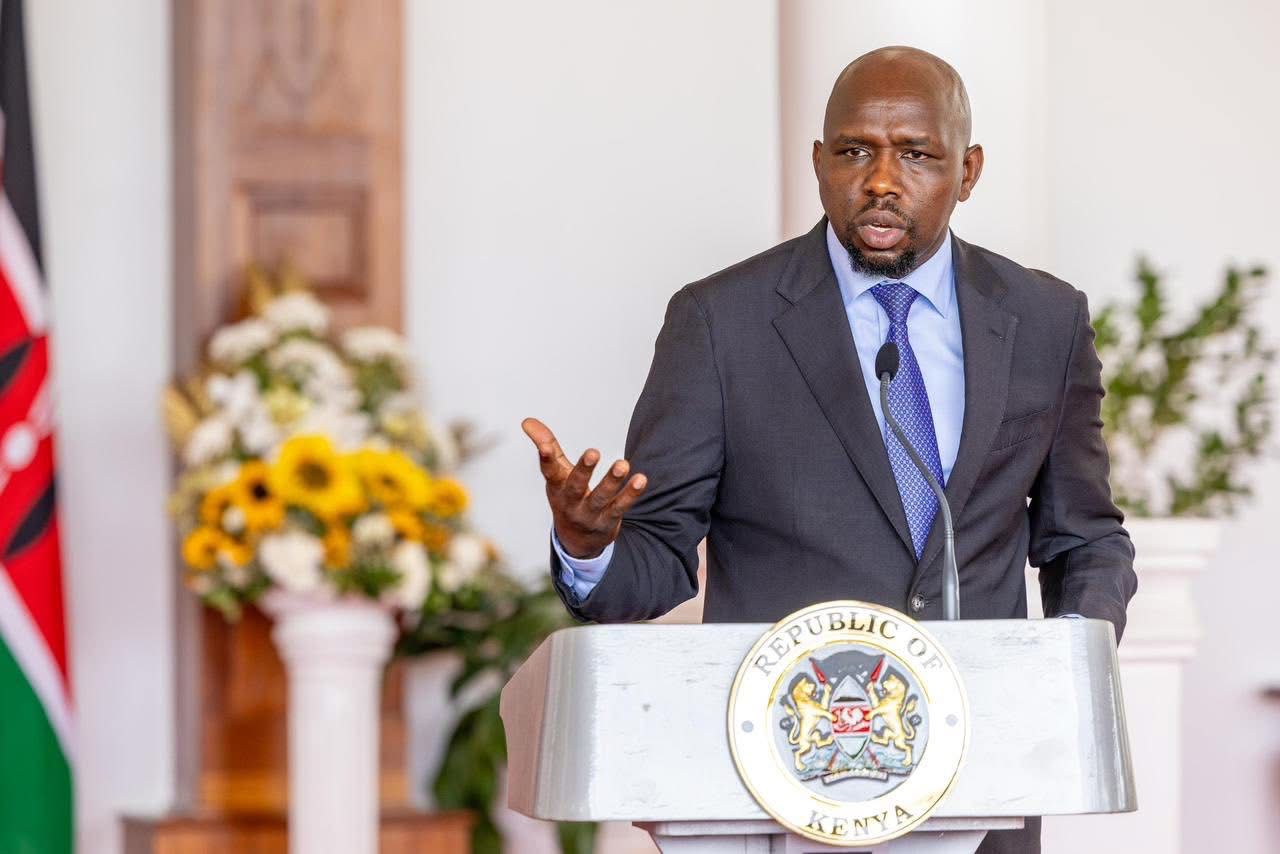
These demographic changes are significant within the broader policy context. Following President William Ruto’s declaration of alcohol and drug abuse as a national emergency, the debate has shifted from whether intervention is needed to how best to encourage responsible consumption in a society where alcohol initiation happens earlier and youth exposure is widespread.
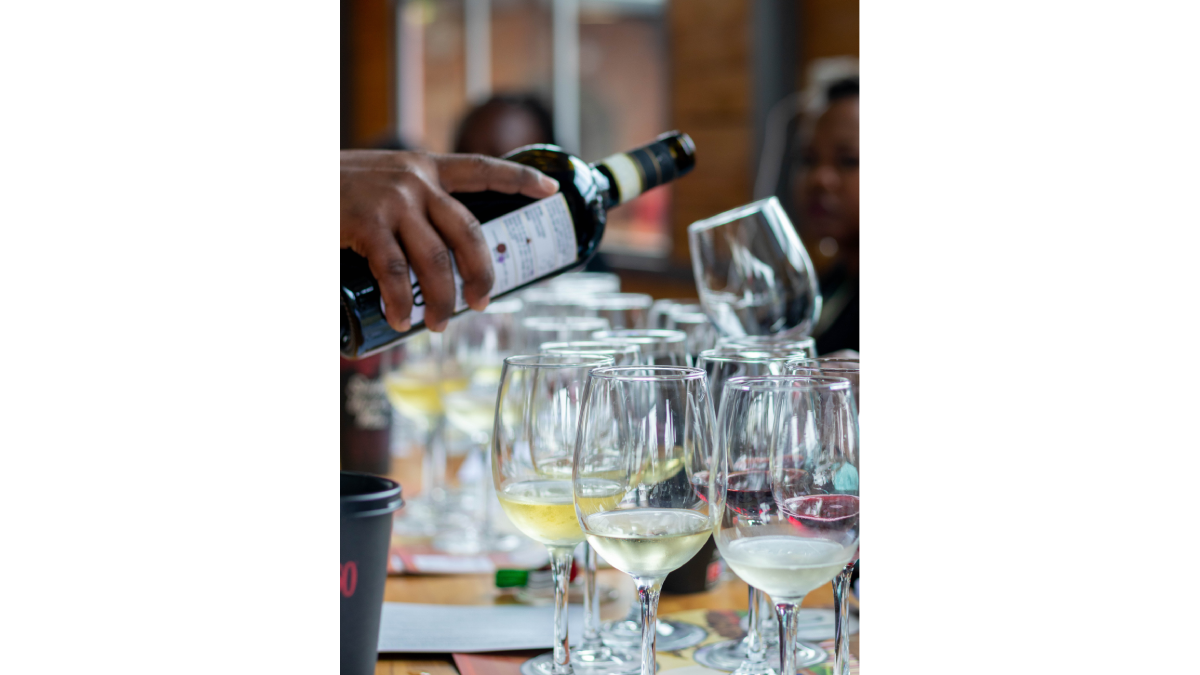
However, youth drinking is far from uniform. Patterns range from infrequent social drinking to harmful binge consumption and are heavily influenced by factors such as education, income, and urban living. Young people in cities, for example, encounter alcohol more frequently through social lifestyles, travel, dining culture, and media exposure. This partly explains the growing popularity of wine and premium spirits among a demographic that is increasingly well-travelled, selective and influenced by global trends.
This evolving consumer group is already influencing market demand. Imports of wine from established producers like France and Italy are increasing, contributing to wider availability and diversity in alcoholic beverages. Looking ahead, Kenya’s drinking culture may be shaped less by outright restriction and more by awareness, education, and informed decision-making.
Global models of wine education, such as those promoted by institutions like Gambero Rosso, demonstrate that alcohol awareness can exist alongside regulation and public health goals. This approach mirrors the government’s emphasis on promoting responsible drinking rather than blanket prohibition.
Ultimately, examining who drinks, how frequently, and at what age offers a more detailed understanding of Kenya’s alcohol landscape, one in which younger adults are central to shifting consumption habits and broader cultural transformation.