The world is edging toward a dangerous tipping point. What began with the Russia–Ukraine War and rising Middle East tensions is now disrupting global fertilizer supply. For Kenya, this is no longer distant. It is already affecting farms, food prices and livelihoods.
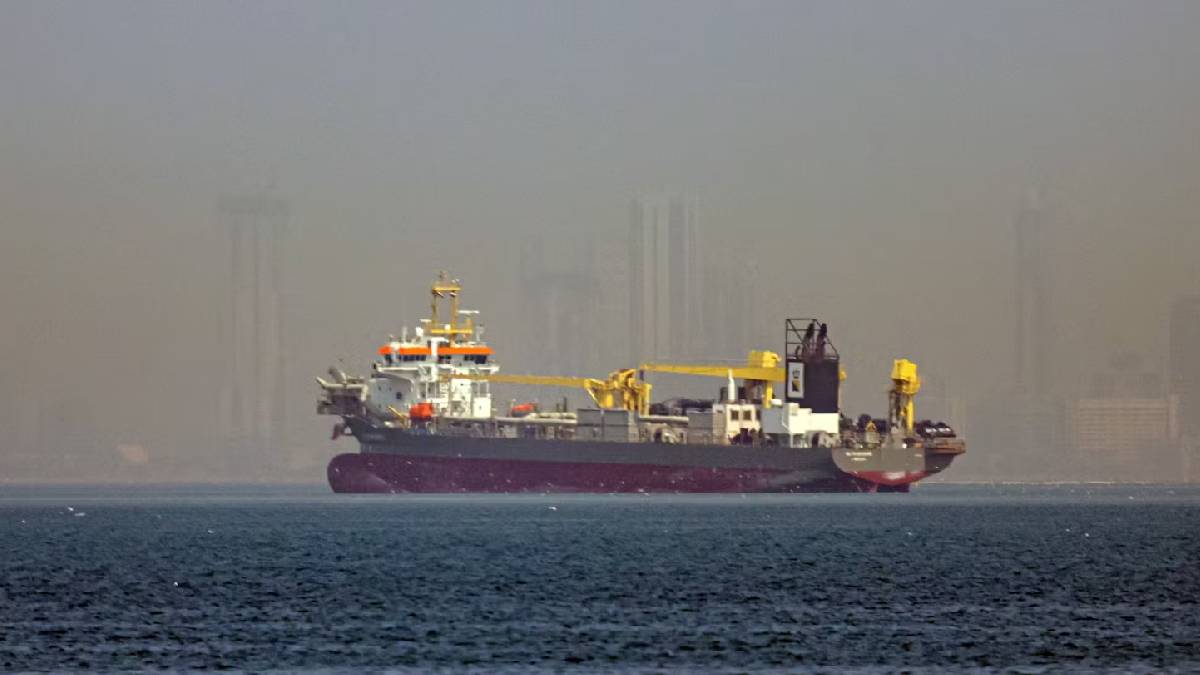
Fertilizer supply chains are under pressure due to conflict, energy costs and disrupted trade routes. Key shipping corridors are unstable and production is slowing. This is tightening global supply and pushing prices upward.
Wealthier nations are securing supplies through subsidies and reserves. Poorer countries are being priced out. Access to fertilizer is quickly becoming unequal and Kenya is on the weaker side of this divide.
Kenya relies heavily on imported fertilizer, much of it sourced from regions now affected by geopolitical instability. As global supply tightens, prices rise and availability becomes uncertain. Farmers are already being forced to reduce usage, putting production at risk.
Before these global disruptions, a 50kg bag of fertilizer in Kenya retailed at about KSh 3,500 to 4,000. At the peak of the crisis, prices surged to between KSh 6,000 and 7,000 per bag, nearly doubling. This represents an increase of roughly 80 to 100 percent, a shock that fundamentally altered farming economics.
Today, while farmers can access fertilizer at about KSh 2,500 under government subsidy, the true market price remains elevated above KSh 6,000. This means the crisis has not eased. It is being temporarily cushioned.
Kenya depends heavily on imported fertilizer. As global supply tightens, prices rise and availability becomes uncertain. Farmers are forced to cut usage, risking lower production.
Reduced fertilizer use weakens soil productivity over time. Crops become less resilient and yields decline. This slow erosion can create long-term agricultural setbacks.
Lower yields reduce food supply in markets. Prices rise and households struggle to afford basic foods. The crisis moves quickly from farms to dinner tables.
Subsidies have helped cushion farmers, but they are costly and limited. Supply disruptions cannot be fully controlled. The system remains vulnerable.
If tensions continue, fertilizer prices may stay high or rise further. Supply gaps could worsen during planting seasons. Kenya risks deeper food insecurity.
A Warning Kenya Cannot Ignore
Speaking during an international televised panel discussion in Moscow, CPA Josephine Were, Director at Great Gifts Charity Organization, warned that the crisis is already unfolding at the grassroots.
“What the world is treating as a supply issue is, for us in Africa, a food security emergency in the making. The farmer is the first to feel it, but the entire nation will carry the burden.”
She represented Africa on the panel, alongside counterparts from Asia and Europe.
CPA Were emphasized the need to treat fertilizer as a strategic resource.
“Kenya must reduce overdependence on imports and invest in sustainable, local solutions. Waiting for global stability is not a strategy.”
The warning signs are clear. A global fertilizer shock is building into a food crisis. For Kenya, the window to act is shrinking and the cost of delay could be severe.