Kenya’s sugar industry endured a difficult year in 2025, but regulators insist the production decline was a necessary step in rebuilding a sector long in need of reform.
Official data shows sugar production fell to 613,000 metric tonnes in 2025, down from 815,000 metric tonnes in 2024, a 25 per cent drop that coincided with the rollout of structural reforms and the onset of dry weather in key growing zones.
According to the Kenya Sugar Board, the decline was not caused by a single failure, but by deliberate decisions taken to stabilise the industry and protect farmers.
“This was a transition year. Production fell so that the foundation for higher and more reliable output could be rebuilt,” said CEO Jude Chesire in a press release.
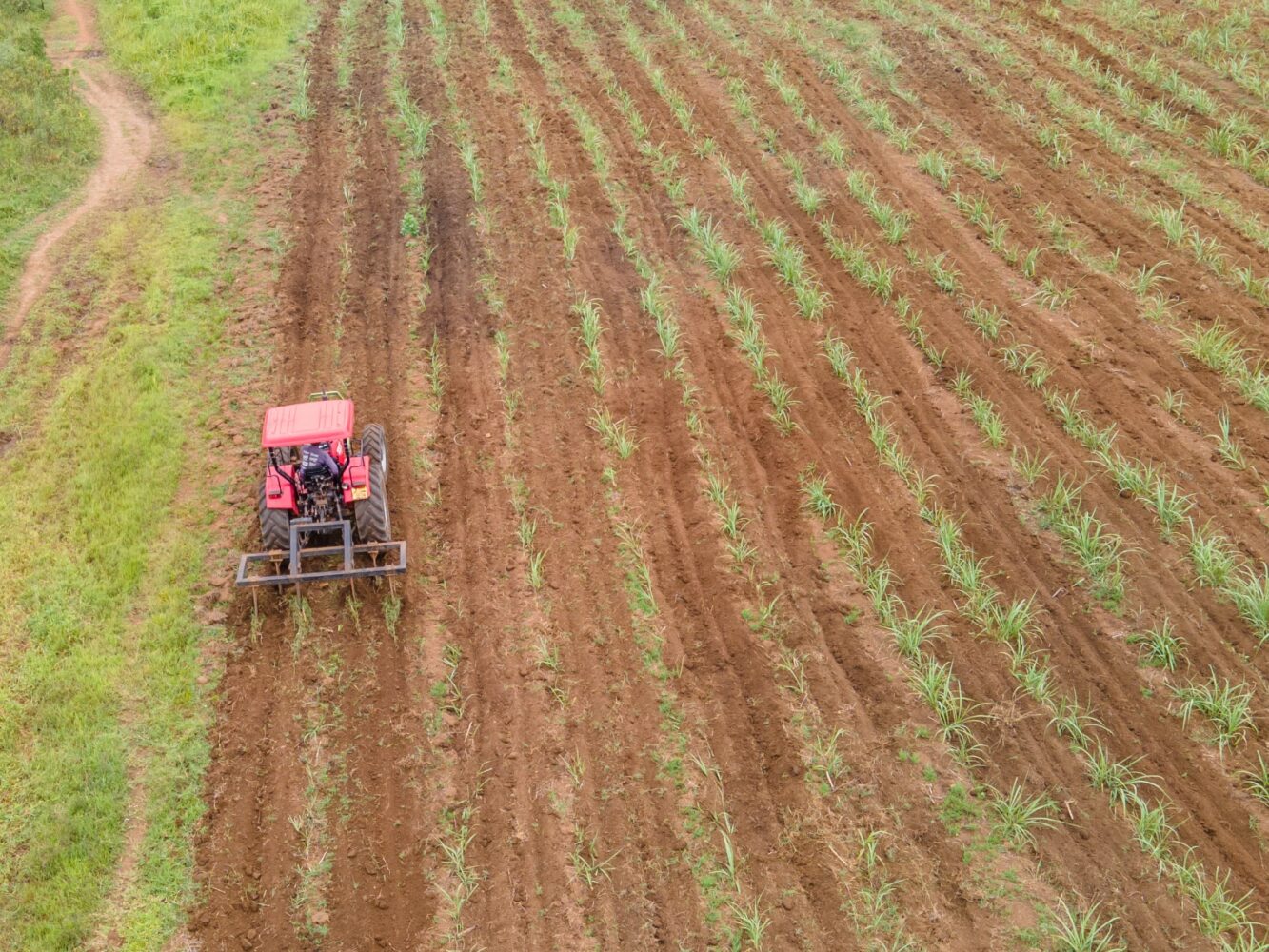
A major factor was the cane maturity profile following the unusually high harvest of 2024. With much of the mature cane already milled, a significant share of the crop in 2025 was still immature. To prevent premature harvesting, seven sugar factories in Western Kenya were temporarily closed.
Chesire said respecting cane maturity timelines was essential to ensure better sucrose content and sustainable farmer incomes.
The sector was also affected by the closure of four state-owned mills to allow leasing to private investors. The facilities underwent rehabilitation worth KSh12.5 billion, modernising ageing infrastructure but reducing milling capacity during the transition period. Kwale Sugar remained closed throughout the year.
Dry spells in late 2025 and early 2026 further compounded the situation, slowing cane development and reducing factory throughput.
Despite these pressures, regulators maintain that sugar supply remains stable. Market stabilisation measures have been implemented to curb speculation, manage imports where necessary, and prevent artificial shortages.
“Ensuring stable supply is a national priority, especially as demand continues to grow due to population growth and rising consumption,” Chesire said.
Farmers are set to benefit from Ksh1.2 billion in Sugar Development Levy-funded programmes in 2026, focusing on accelerated cane development, expanded acreage, and early-maturing varieties.
With millions of tonnes of cane already in the ground, the industry expects harvesting and milling to rebound strongly from October–November 2026.