The political landscape in Kitui Central is contending with a dramatic reshaping, with the possible entry of Dr. Augustus Kyalo Muli into the Kitui Central Member of the National Assembly contest.
The National Liberal Party (NLP) leader, who has steadily cultivated a national profile, now faces mounting pressure from residents to bring his influence home by contesting the Kitui Central parliamentary seat in 2027.
The departure of current MP Makali Mulu, who has shifted his ambitions to the Kitui governorship, has created a vacuum that many believe only Muli can credibly fill. For years, aspirants in the constituency defined themselves by their opposition to Makali’s dominance. With that barrier removed, the race is being shaped anew, and Muli’s candidacy is gathering momentum.
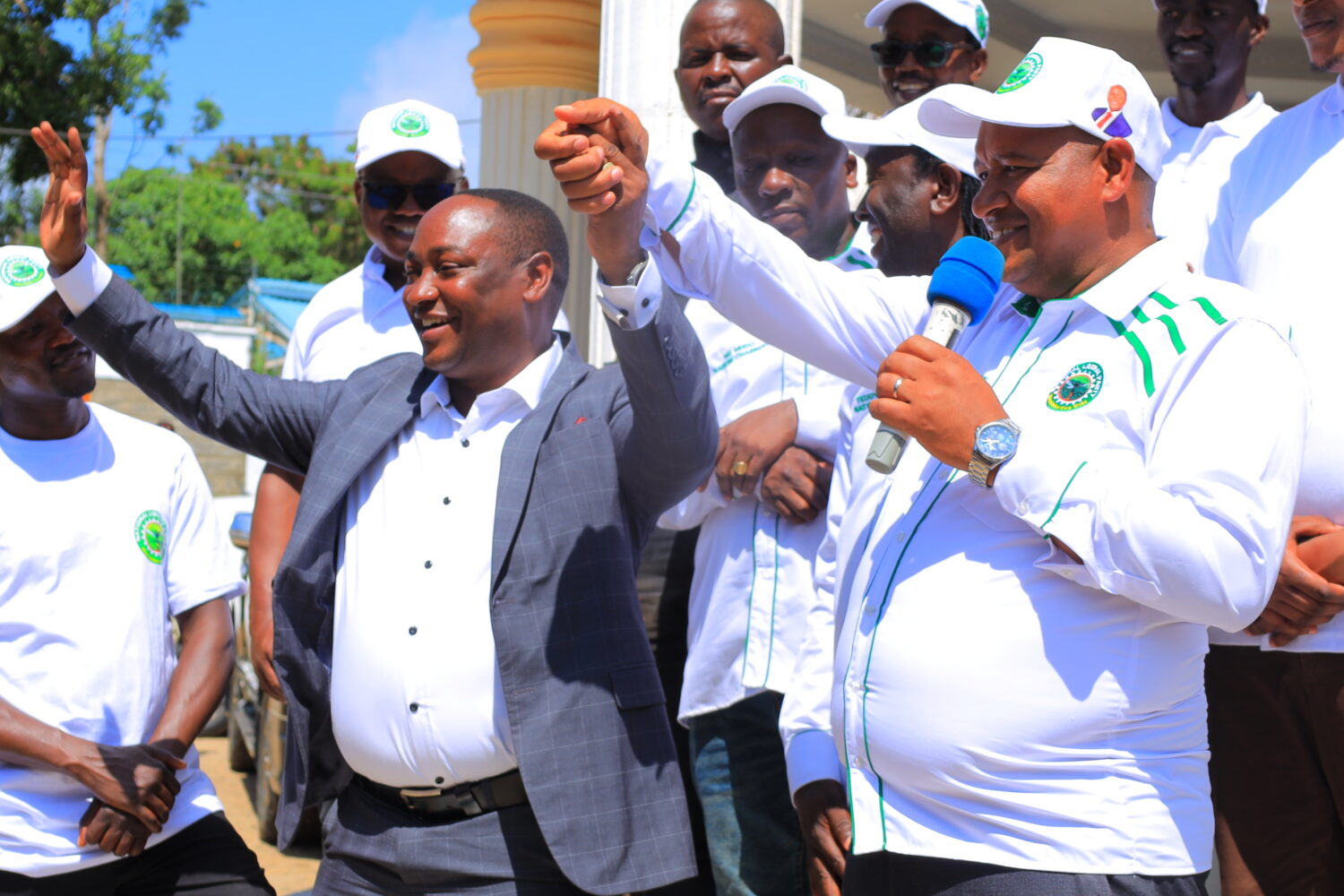
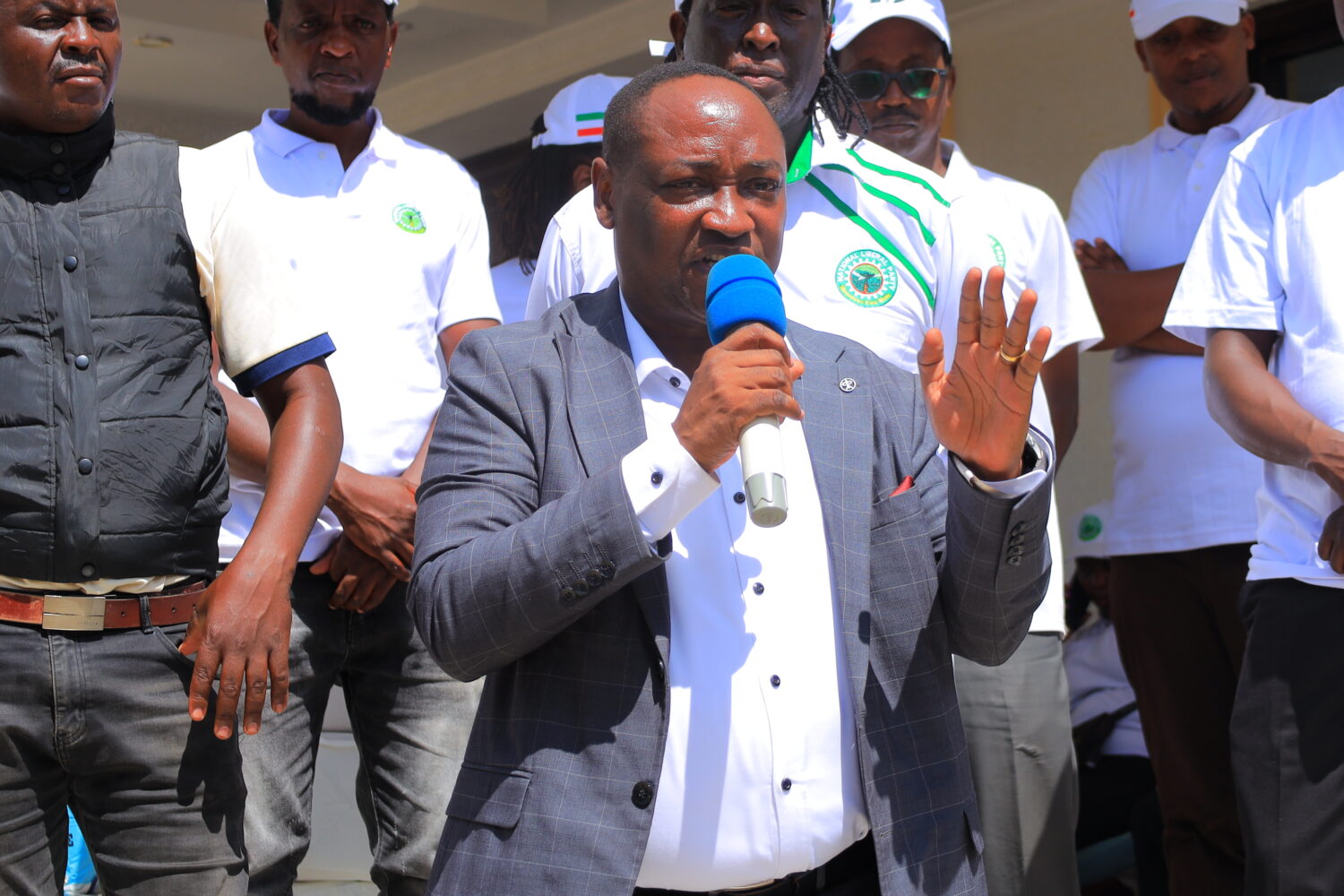
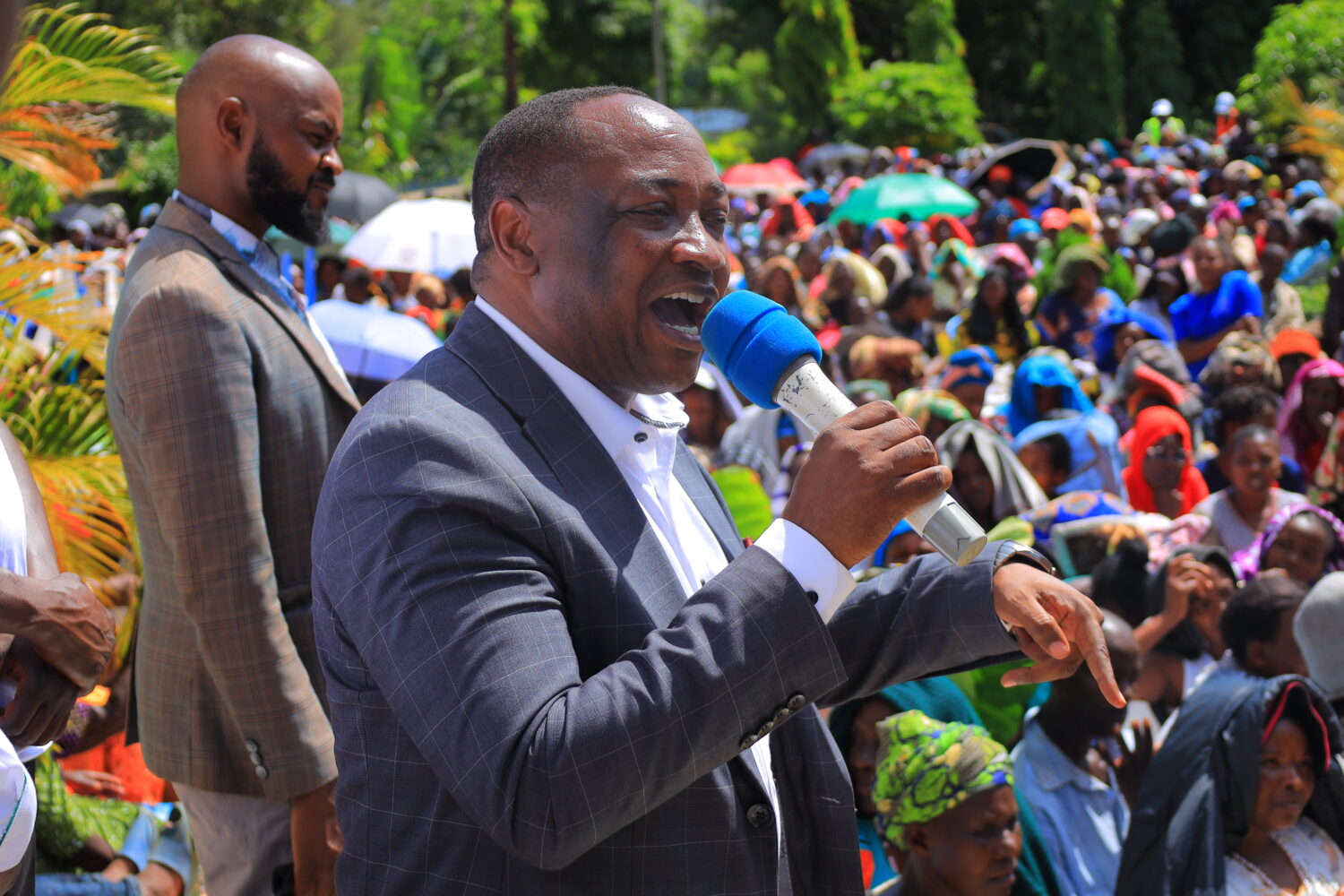
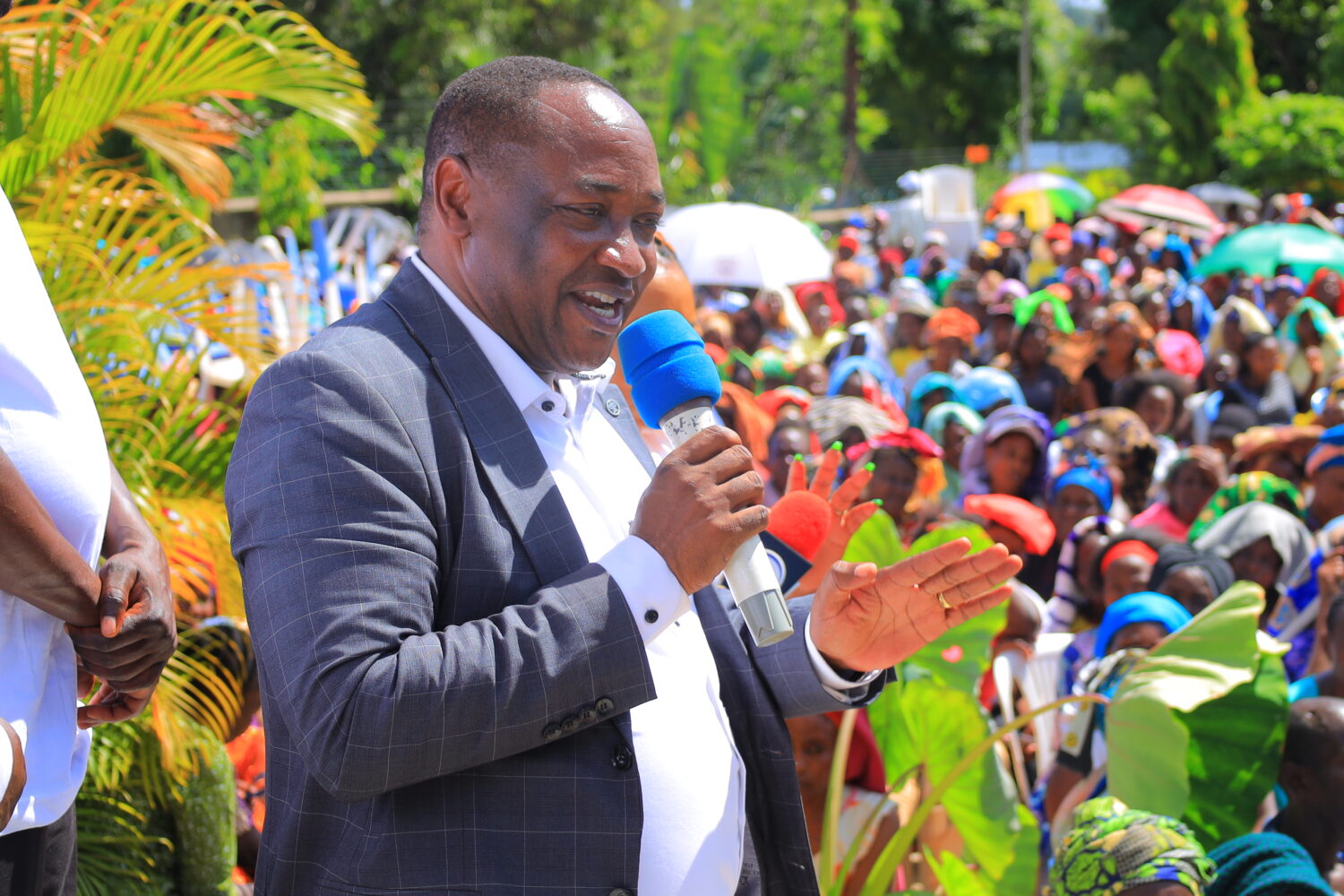
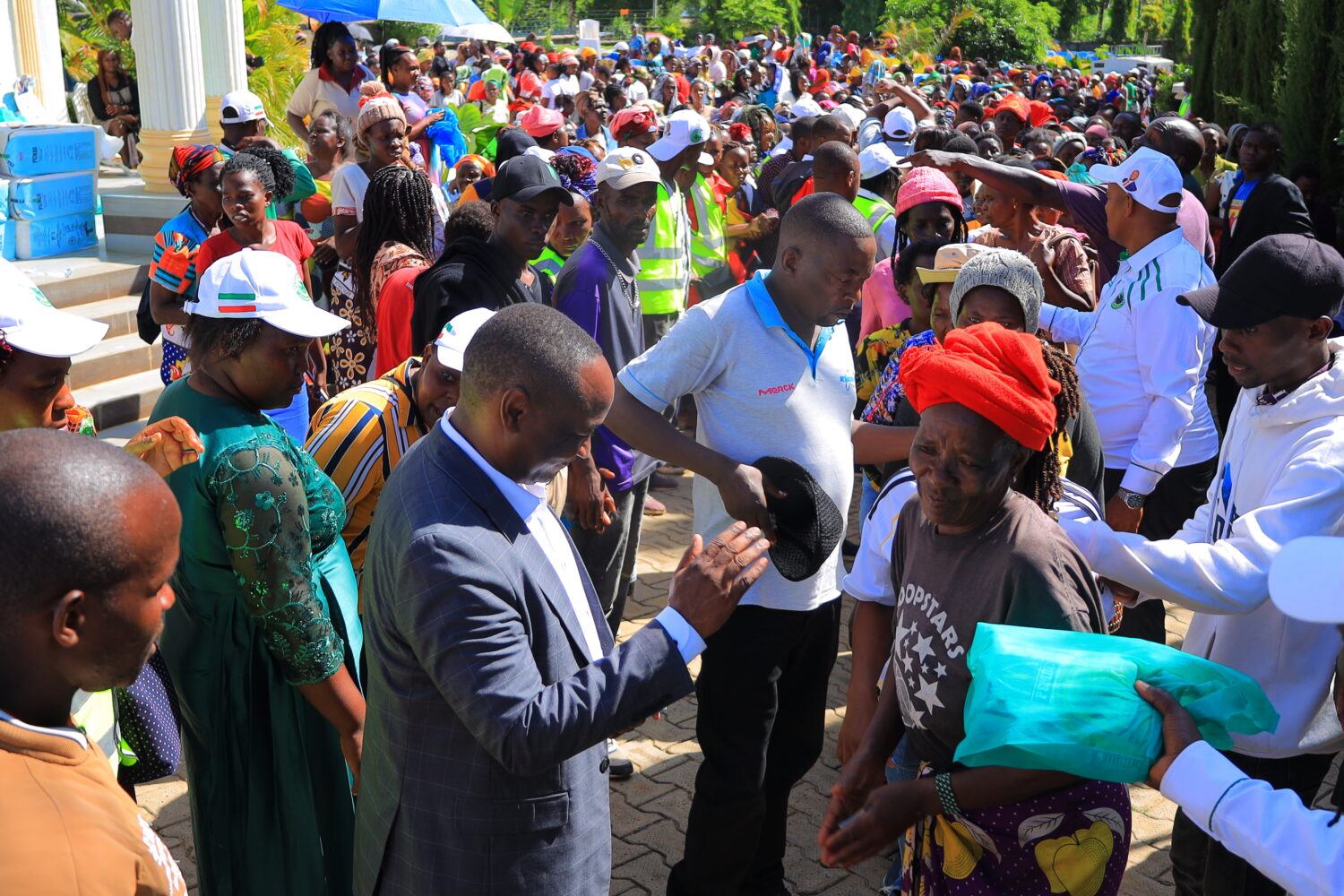
Muli boasts of a consolidated base within the Anzauni community and a reputation built not just on electoral contests but on sustained grassroots engagement. Through the Kyalo Kya Maendeleo Foundation, he has embedded himself in community development initiatives ranging from education bursaries to water projects in what residents say has earned him trust that extends beyond the fleeting enthusiasm of campaign seasons.
“We have seen Dr. Muli with us even when there was no election. He has supported our schools and helped our youth. That is why we believe he should represent us in Parliament,” said Jane Mwanzia, a teacher in Kitui town.
Residents argue that Muli’s national stature as NLP leader gives Kitui Central a unique opportunity to send a representative to Parliament who can influence alliances rather than chase them. His independent standing, they say, offers continuity of policy‑oriented representation without the fatigue of incumbency.
“Makali gave us visibility, but Muli can give us influence. He is already a national figure, and if he becomes our MP, Kitui Central will not be sidelined” noted Peter Mutua, a local businessman.
Still, Muli faces a delicate balancing act. His role as party leader requires him to shape a coalition capable of challenging establishment politicians at the national level. Yet the grassroots call for him to vie locally is growing louder, and ignoring it risks alienating a constituency that has long been his political and social foundation.
“We want him to listen to the people. Kitui Central needs a strong voice in Parliament, and Muli is the one we trust. He should not leave us behind while he builds his national career,” urged Mary Ndunge, a youth leader in Mulango.
Muli’s candidacy, they argue, is gaining traction precisely because it is defined by a proactive agenda rooted in community development and national relevance.
As 2027 approaches, Muli’s decision will carry weight far beyond Kitui Central. Should he heed the grassroots call, he would enter a race shaped from scratch, bringing with him both the organizational strength of the Anzauni community and the national reach of the NLP.
For residents, the hope is clear: that their long‑time ally will translate his national profile into local representation.
For Muli, the challenge is equally clear — balancing the demands of a constituency eager for his leadership with the responsibilities of a party leader positioning himself as part of Kenya’s “third force” in national politics.