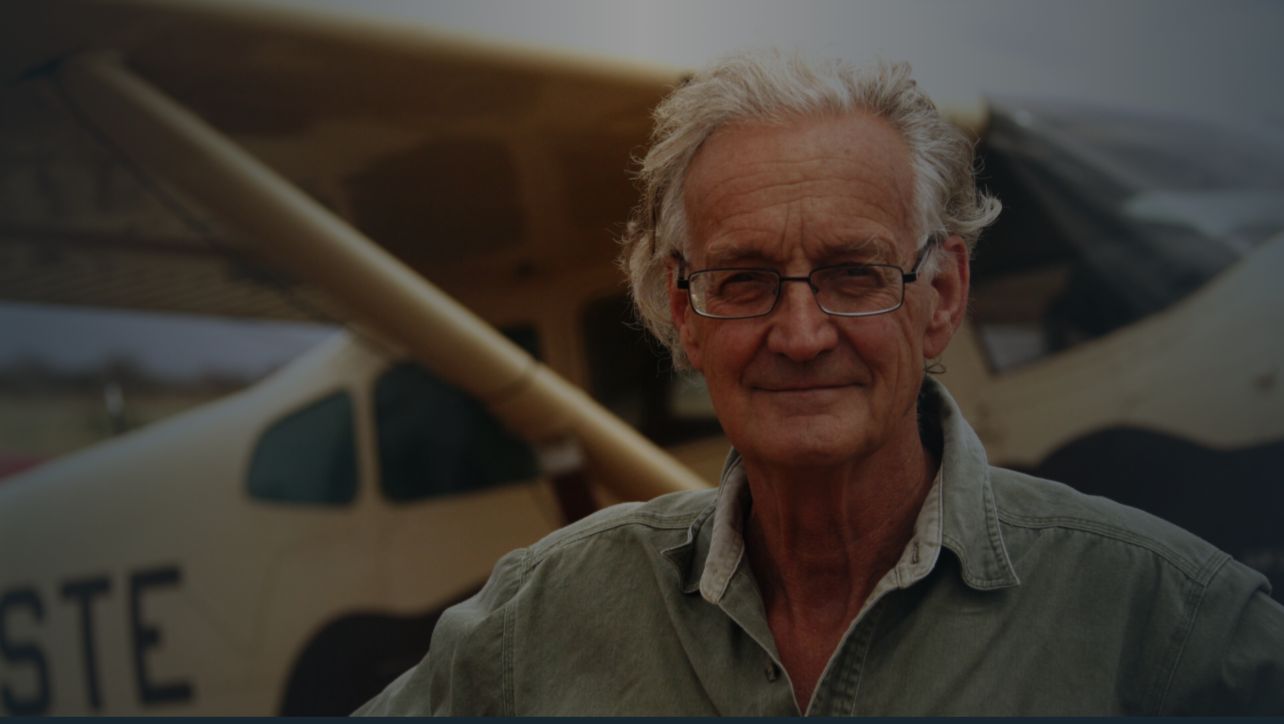
Iain Douglas-Hamilton was a force in elephant conservation, revolutionising our understanding of elephant research. At 23 he carried out the study of wild elephant behaviour. He was born in Dorset, England, into an aristocratic British family.
When herds he knew began to be slaughtered for ivory, he turned from researcher to protector, laying foundation for behavioural studies and conservation.
Iain played a pivotal role in exposing the ivory poaching crisis. He documented the loss of more than half of Africa’s elephant population in a decade, helping persuade a conference to ban the ivory trade in 1989.
In 1993 he founded Save the Elephants, an organisation dedicated to securing a future for African elephants by deepening appreciation of their intelligence, safeguarding habitats and fostering coexistence with communities.
He introduced tracking and surveys, transforming how elephants are monitored and protected. When a new wave of poaching killed an estimated 100,000 elephants between 2010 and 2012, Iain again led the response. He testified before the U.S. Senate Committee on Foreign Relations in 2012, and his science‑based advocacy helped close domestic ivory markets, notably China’s in 2018.
In 2013 he co‑founded the Elephant Crisis Fund, managed by Save the Elephants and Wildlife Conservation Network, to provide local support.
By 2025 the fund had backed 120 partners in 44 countries with over $40 million, financing more than 500 projects that combat the ivory trade and promote human‑elephant coexistence.
Friends remember him as a mentor who delighted in sitting with young scientists, poring over elephant tracks and speculating about their minds.
Frank Pope, CEO of Save the Elephants and Iain’s son‑in‑law, said, “Iain changed the future not only for elephants but for millions of people worldwide. His courage, determination and rigor inspired everyone he met.”
Iain and Oria’s daughters, Saba and Dudu, continue their own work for nature, and he leaves six grandchildren who dream of following his example.