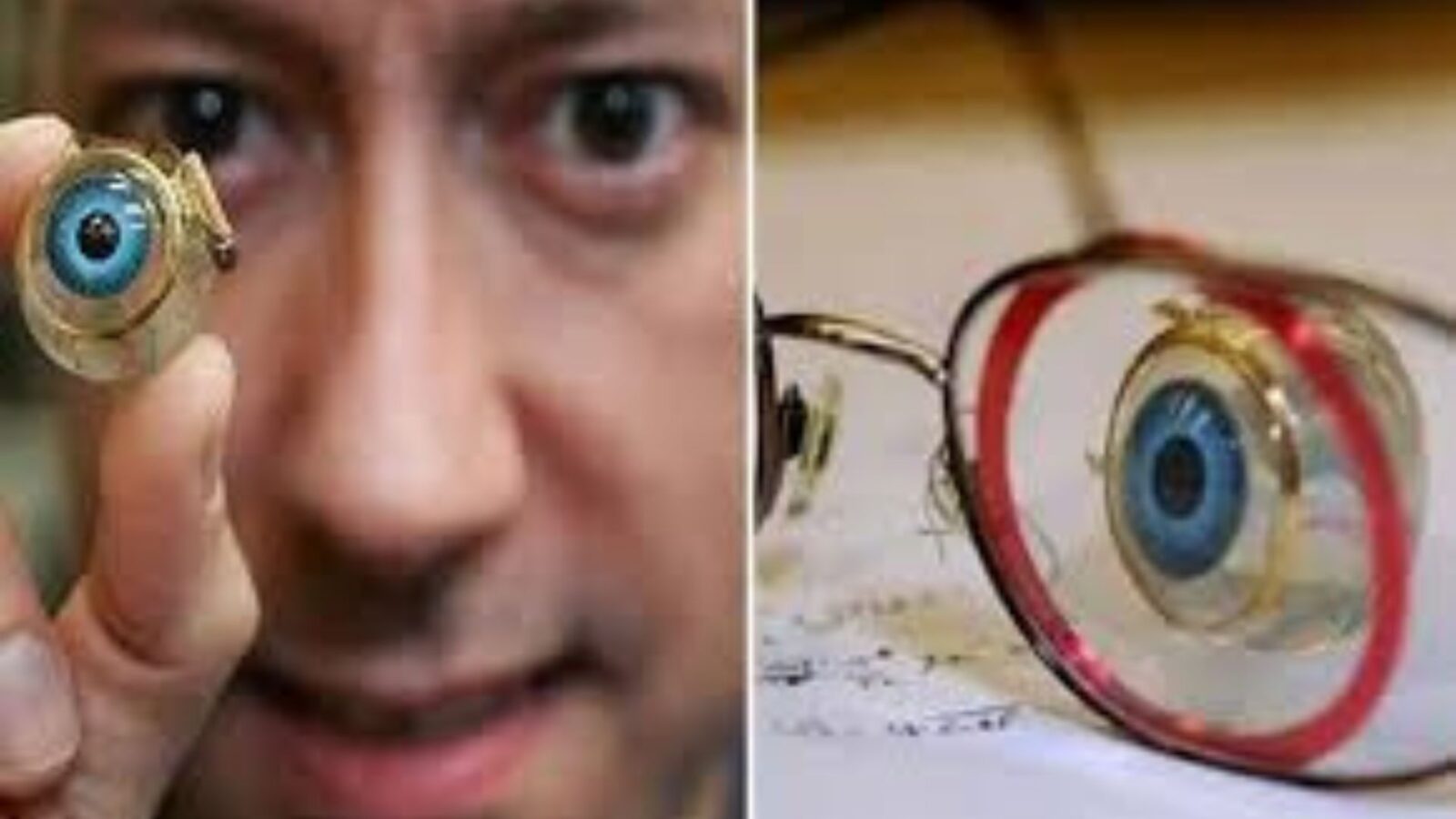
Australia is at the forefront of a groundbreaking medical innovation, the world’s first bionic eye, designed to restore vision in blind patients.
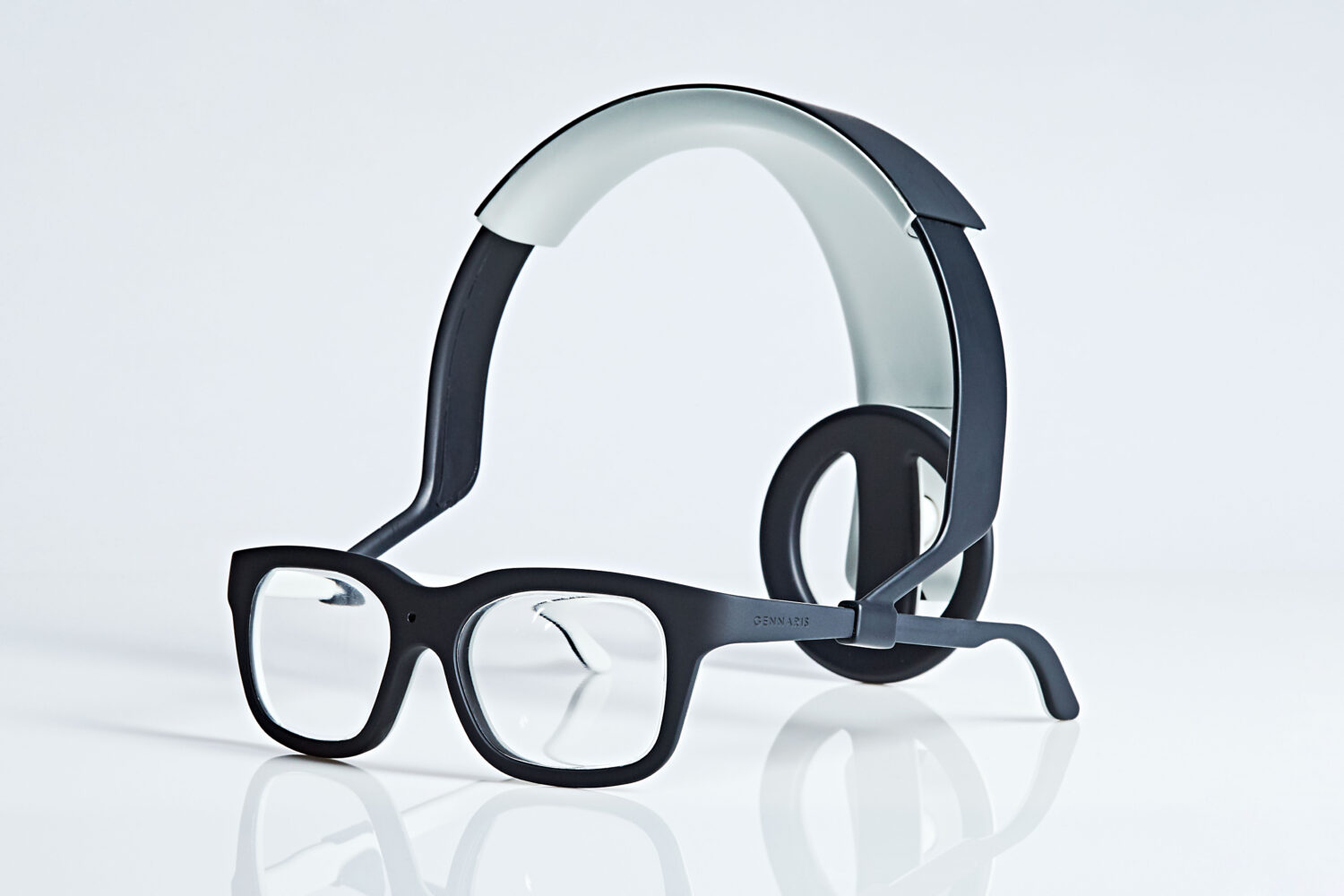
This revolutionary technology, known as the Gennaris Bionic Vision System, bypasses damaged optic nerves and sends visual signals directly to the brain’s vision center, allowing users to perceive images.
Scientists at Monash University in Australia have already done feasibility studies of the eye-opening technology on animals, with the bionic eye now preparing for its first human clinical trials in Melbourne. In trials on sheep, to be specific, the technology was successfully implanted into the brain with “minimal negative effects”.
The next step is human clinical trials, which will determine the technology’s safety and efficacy. If successful, it could lead to widespread adoption and potentially treat other conditions like spinal cord injuries, epilepsy, and depression.
How does it work?
The system consists of a head-mounted camera, a wireless transmitter, and a vision processor that converts images into electrical pulses. These pulses stimulate the brain, allowing users to perceive shapes and outlines, with a 100-degree field of view. Early trials have shown promising results, with patients detecting edges, shapes, and movement.
According to an article published by Monash University on the Gennaris Bionic Vision System, the core technology under development involves a wireless implant that is designed to deliver patterned electrical stimulation to the brain. Up to 11 of these implants, each of which are around the size of a thumbnail, may be placed on the surface of the brain and programmed wirelessly to stimulate brain cells with tiny electrical pulses. When implanted on the visual cortex, these electrical pulses can be interpreted as visual information, providing the recipient with basic shapes and outlines that may assist with navigation, object recognition, and other basic everyday tasks.


This technology has the potential to transform lives, especially for those with retinitis pigmentosa, a genetic eye condition affecting millions worldwide. While it is not a cure-all, the bionic eye offers new hope for restoring functional vision.
If successful, the Gennaris Bionic Vision System could be potentially applied in treating conditions like retinitis pigmentosa, glaucoma, and acquired retinal disease.
Potential applications:
- Restoring Vision: Treats conditions like retinitis pigmentosa, glaucoma, and acquired retinal disease
- Neurological Disorders: Potentially helps with paralysis, epilepsy, and depression
- Spinal Cord Injuries: May aid in repair and recovery
- Superhuman Sight: Potential for infrared, ultraviolet, and radar vision
Timeline for availability:
- Human Clinical Trials: Already underway in Melbourne, Australia
- Regulatory Approval: Expected after successful trials and funding
- Commercial Availability: Likely within the next few years, pending approvals and funding.