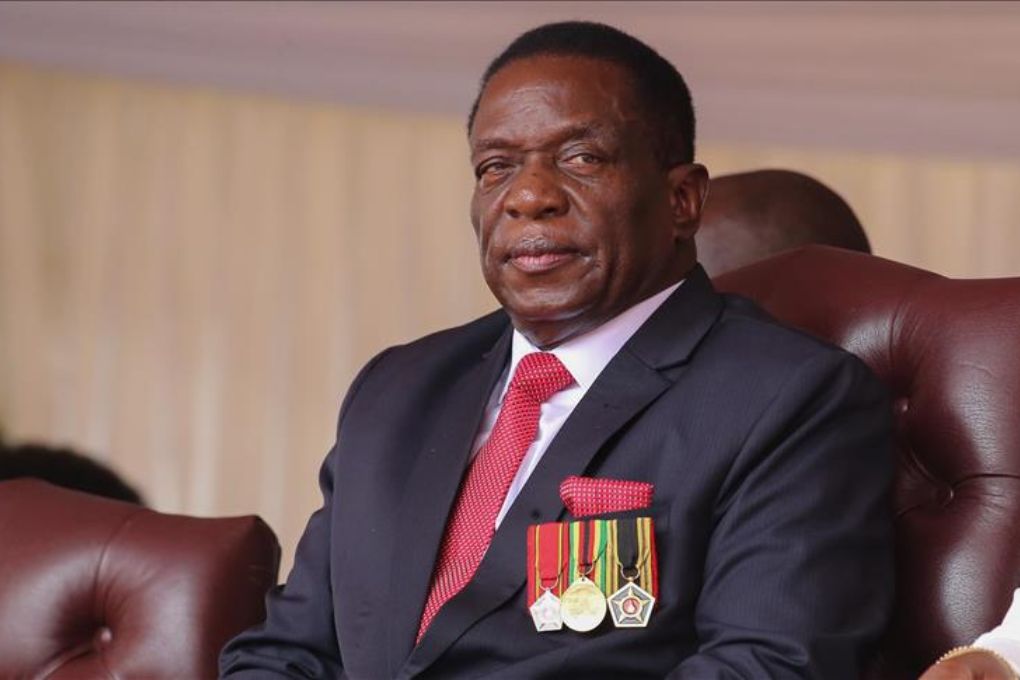
Zimbabwe’s cabinet has approved a draft constitutional amendment that would extend President Emmerson Mnangagwa’s term in office by two years, pushing his tenure to at least 2030. The proposed legislation seeks to lengthen presidential and parliamentary terms from five to seven years, allowing the 83-year-old president to remain in power beyond the current 2028 limit.
Additionally, the bill includes a provision to have future presidents elected by parliament rather than direct popular vote, a move critics say could erode democratic participation. Justice Minister Ziyambi Ziyambi announced the draft bill will be sent to parliament and published in the government gazette before formal debate.
With the ruling ZANU-PF party holding a dominant majority in parliament, the changes are likely to pass. Mnangagwa, who took office in 2017 after Robert Mugabe’s ousting, was re-elected in 2023.
The cabinet’s approval has sparked criticism from opposition figures and civil society, who argue the amendment undermines constitutional term limits and democratic norms. Critics see this as a power grab, consolidating Mnangagwa’s position. The move has raised concerns about Zimbabwe’s democratic trajectory and potential impact on future transitions.