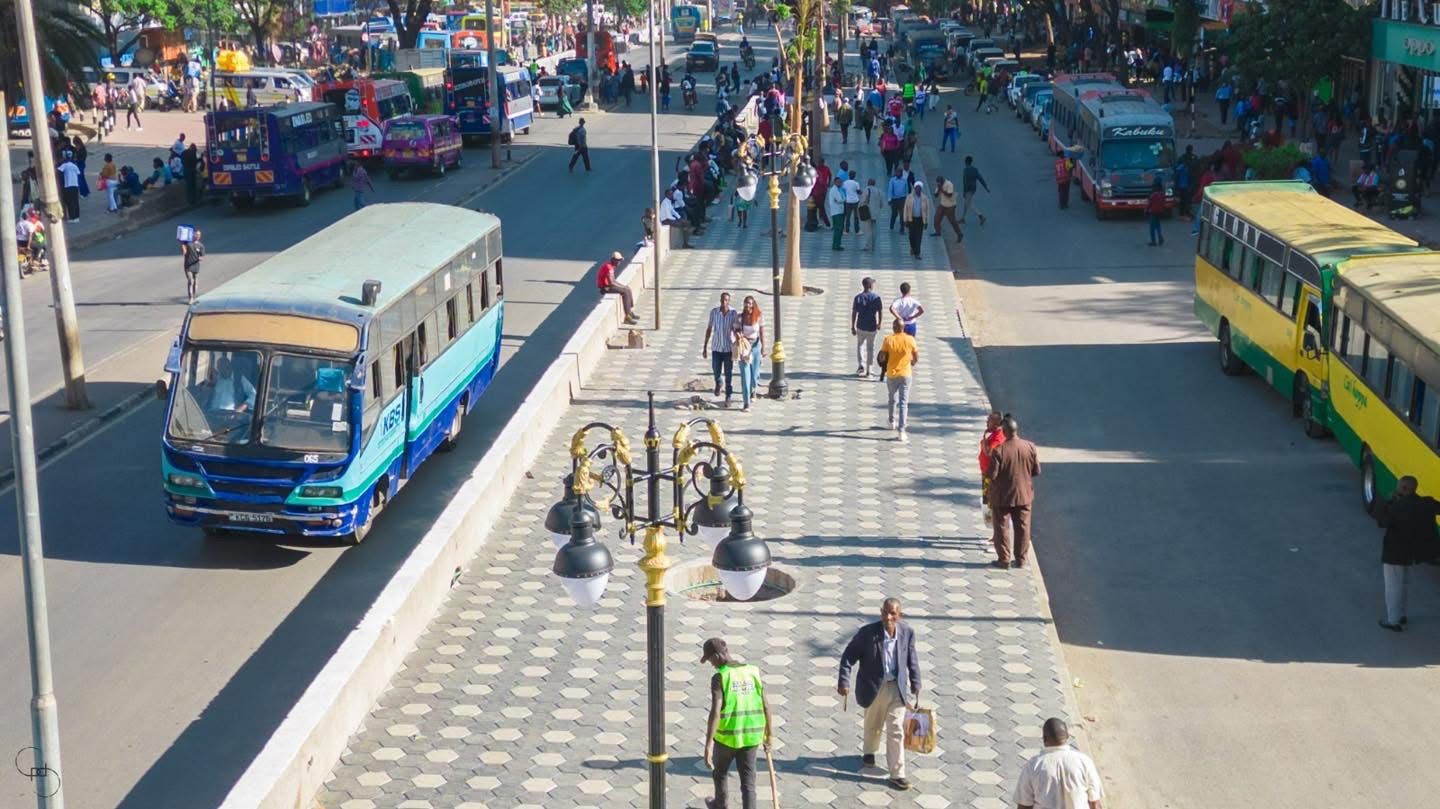
Nairobi’s pedestrian landscape is undergoing a striking transformation as the county intensifies the second phase of its urban regeneration programme.
Newly paved cabro walkways, upgraded corridors, and enhanced lighting are reshaping key city routes, giving the capital a cleaner, safer, and more walkable character.
Several sections of the CBD are already showing visible progress, among them the Ambassador area along Moi Avenue.
Ongoing works continue at Moi Service Lane near Gil House, the Kenya Cinema stretch, Archives Square through Tom Mboya Street, parts of Haile Selassie Avenue, and the Kencom Square–Taifa Lane connection.
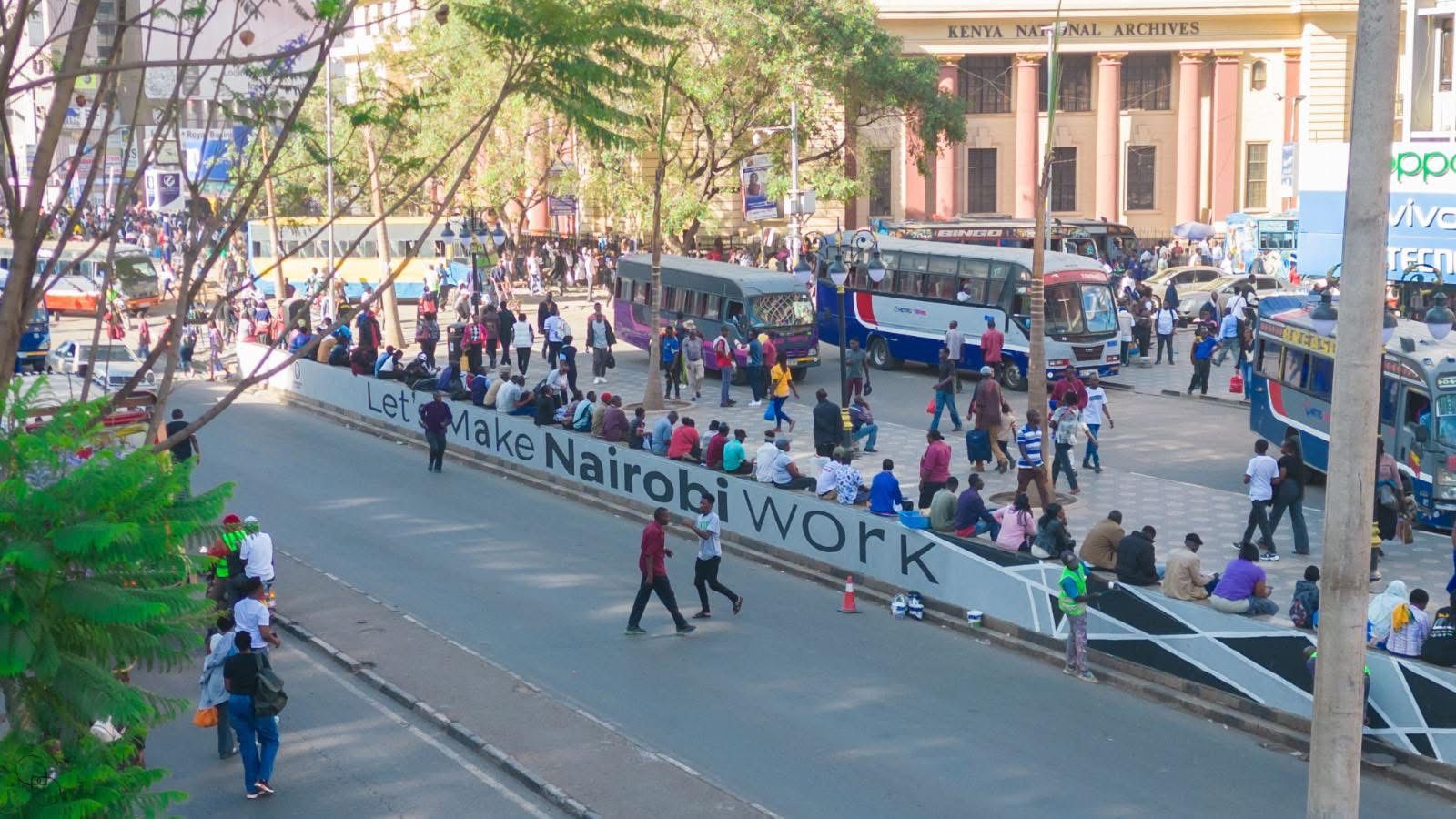
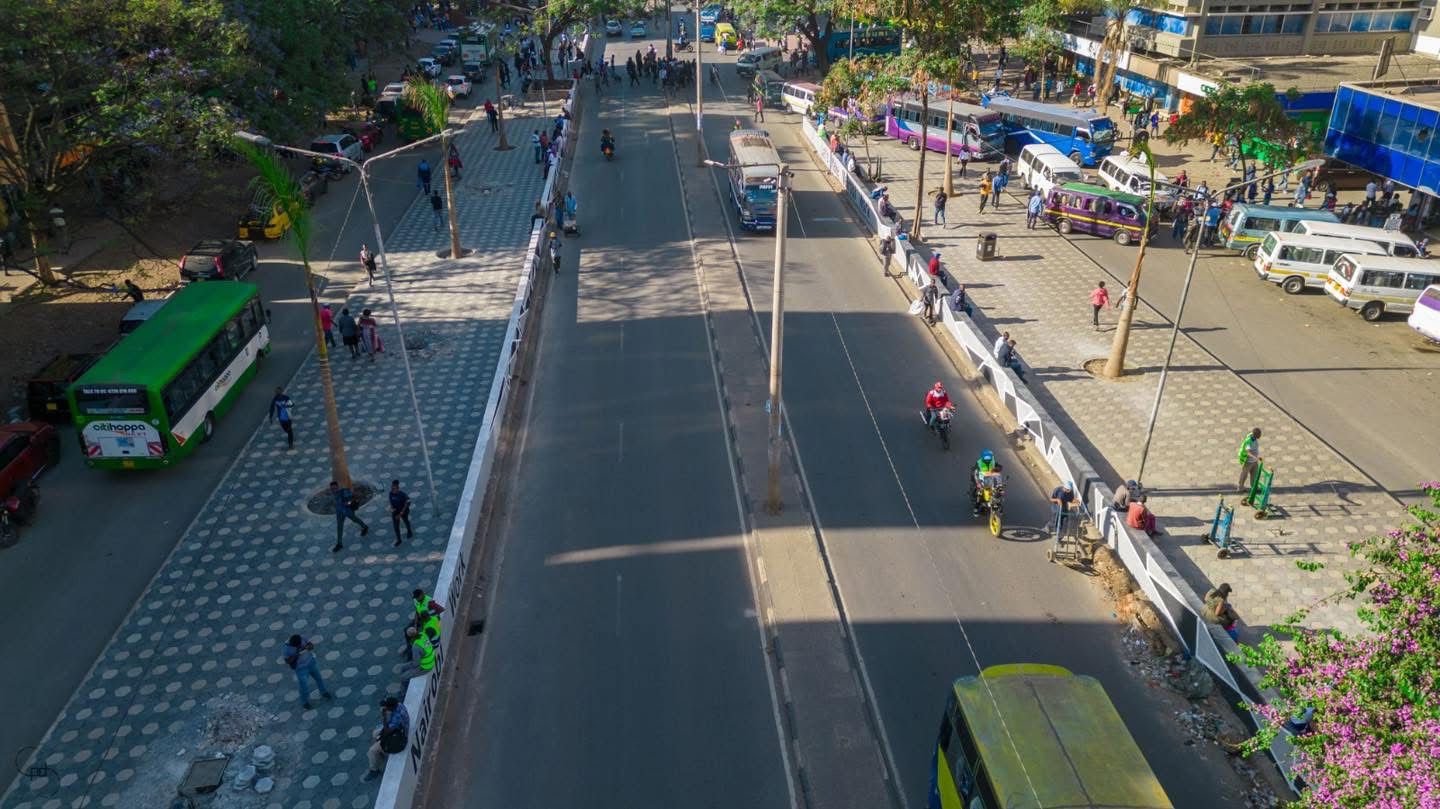
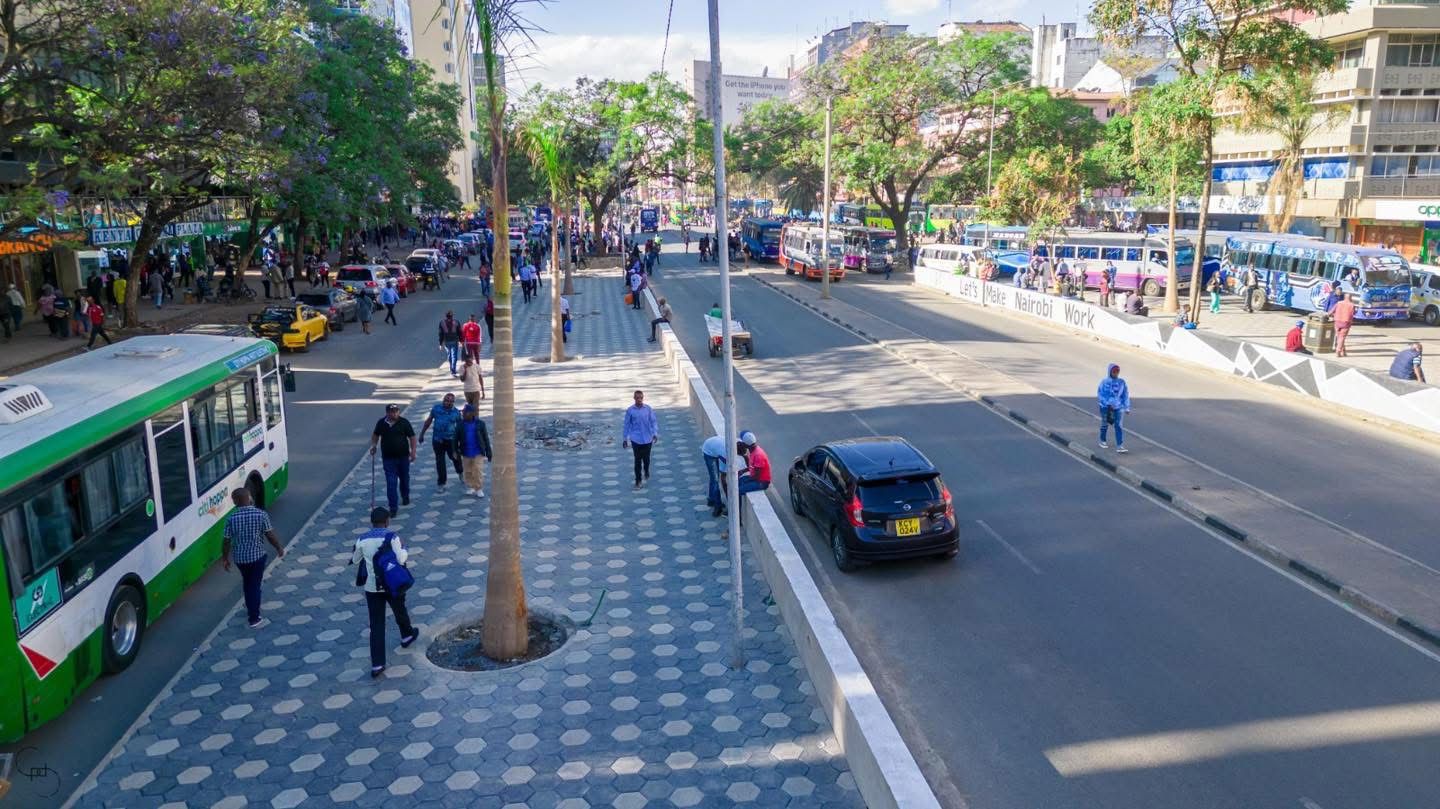
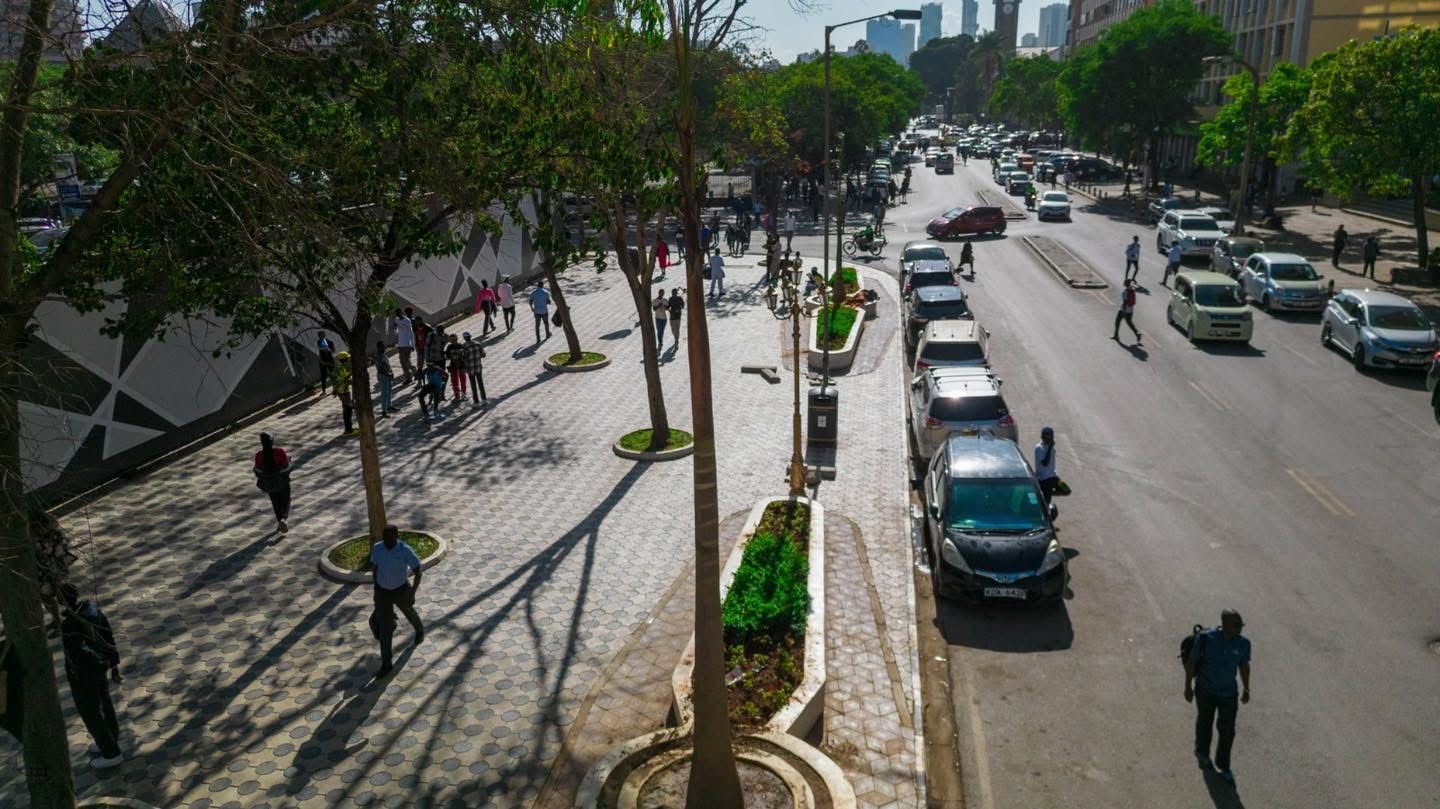
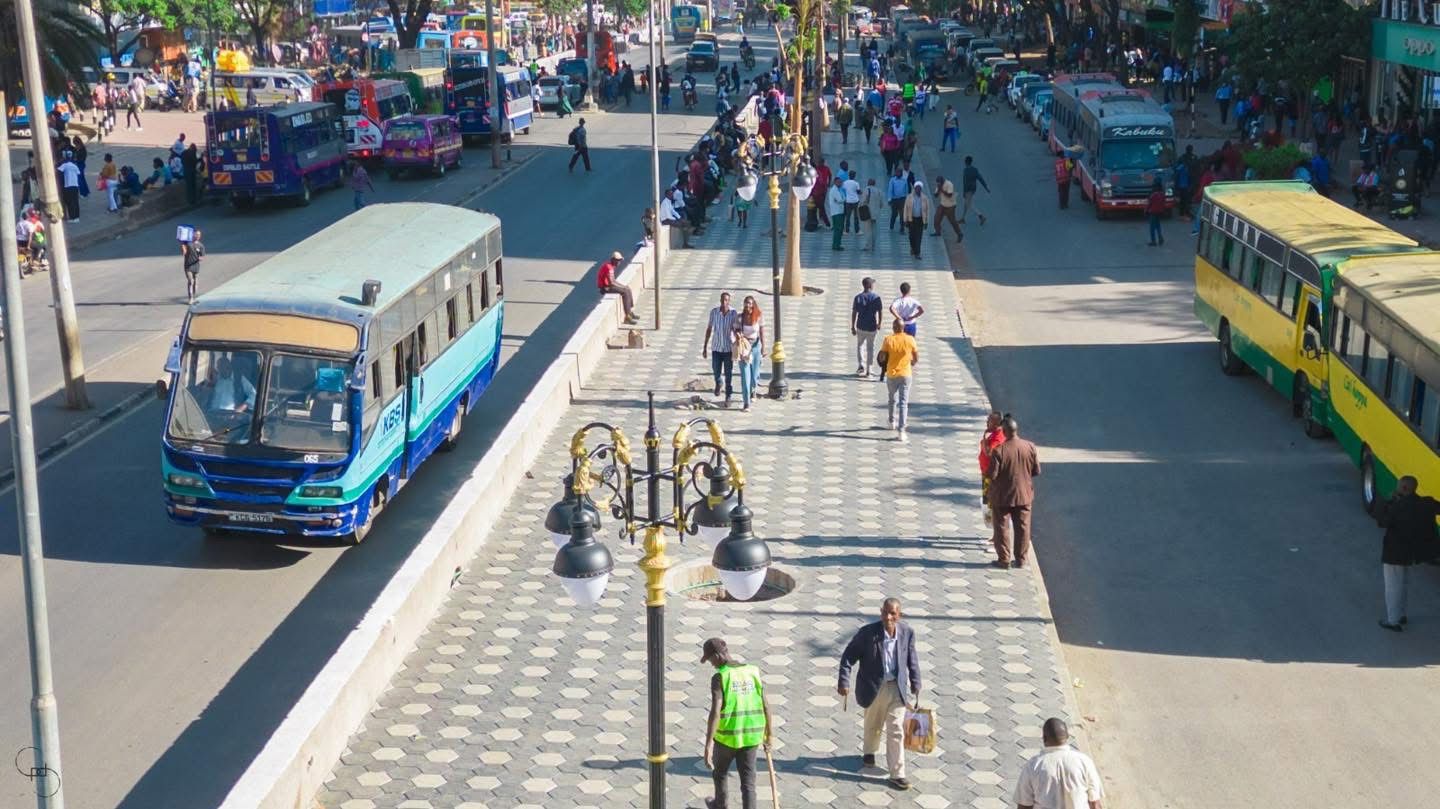
Mobility and Works CEC Ibrahim Auma says the current developments build on the momentum set in 2023, when Governor Sakaja Johnson launched the first phase of improvements that revitalised Charles Rubia Road, Mfangano Street, and other lower CBD corridors.
“What you’re seeing now in the CBD is only one component of a broader citywide overhaul,” Auma said. “We have similar upgrades happening in Westlands, Upper Hill, and densely populated areas. The intention is to expand pedestrian spaces and keep pace with Nairobi’s increasing foot traffic.”
The transformation has been met with strong public support, both on the streets and online, as residents applaud the renewed focus on walkability.
Auma also confirmed that Governor Sakaja has cleared the way for Phase Three of the regeneration programme, set to begin in January.
The next phase will extend improvements from the Tom Mboya Monument along Moi Avenue to the Central Police Station, as well as the Kimathi Monument–Revlon House corridor near Nation Centre.
“With Phase Three now approved, construction of additional pathways will commence at the start of the year. These works will not only enhance pedestrian flow but also support broader road upgrades taking place across the city,” Auma noted.