
Kenya is seeking to accelerate the transition to clean energy across its education sector, with the Government setting an ambitious target of universal access to clean cooking by 2028 and identifying a 460 million US Dollars financing requirement to extend the programme to thousands more learning institutions.
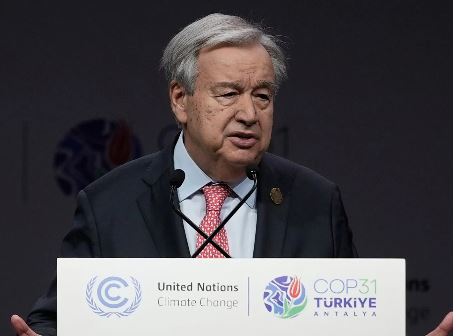
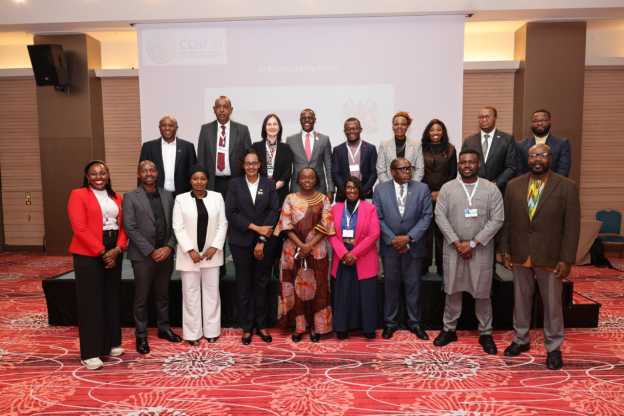
The ambition took centre stage at a high-level United Nations Framework Convention on Climate Change (UNFCCC), 31st Conference of the Parties (COP 31), side event in Antalya, Turkey, where the Government of Kneya together financial institutions, development partners and private investors committed to explore how to mobilise the capital needed to green Kenya’s schools, technical colleges and universities.
Environment Cabinet Secretary Dr Deborah Barasa noted that “the Government’s policy direction and the scale of the proposed transition is a priority. The plan presents an opportunity to reach 10,000 secondary schools, 250 technical and vocational education and training (TVET) institutions and 42 universities.”
Kenya Commercial Bank (KCB) is emerging as a key financing partner in this effort. Since 2022, the bank has committed more than KSh2 billion through a clean energy financing pilot supporting 600 schools and 60 TVET colleges to adopt cleaner energy solutions.
The programme has helped participating institutions reduce energy costs, lower dependence on biomass fuels and improve energy reliability. For schools, the benefits extend beyond environmental gains to the practical needs of cooking, teaching, learning and administration.
The COP31 discussions were led by KCB Bank Kenya Managing Director Annastacia Kimtai and attended by KCB Group Board Director William Asiko, CS Barasa and Principal Secretary for Environment and Climate Change Festus Ng’eno. Development finance institutions, climate finance partners and private investors also participated.
The focus was on identifying financing mechanisms that could support expansion. These included risk-sharing instruments and technical assistance to reduce investment risks and encourage greater participation by private capital.
The proposed expansion presents a significant financing challenge, but also an opportunity to align Kenya’s climate commitments with investment in public infrastructure and education. Delivering that ambition, will require more than policy commitments and will depend on securing affordable financing, attracting private investment and building partnerships capable of taking clean energy solutions to institutions across the country.
For the Government, the priority is to translate its clean cooking and climate policy commitments into measurable results across learning institutions. For financial partners such as KCB, the task is to help mobilise the capital and develop financing models that make the transition possible at scale.
The question now is whether the partnerships and financing commitments discussed at COP31 can move beyond the conference table and deliver cleaner, more reliable energy to thousands of Kenyan learning institutions.