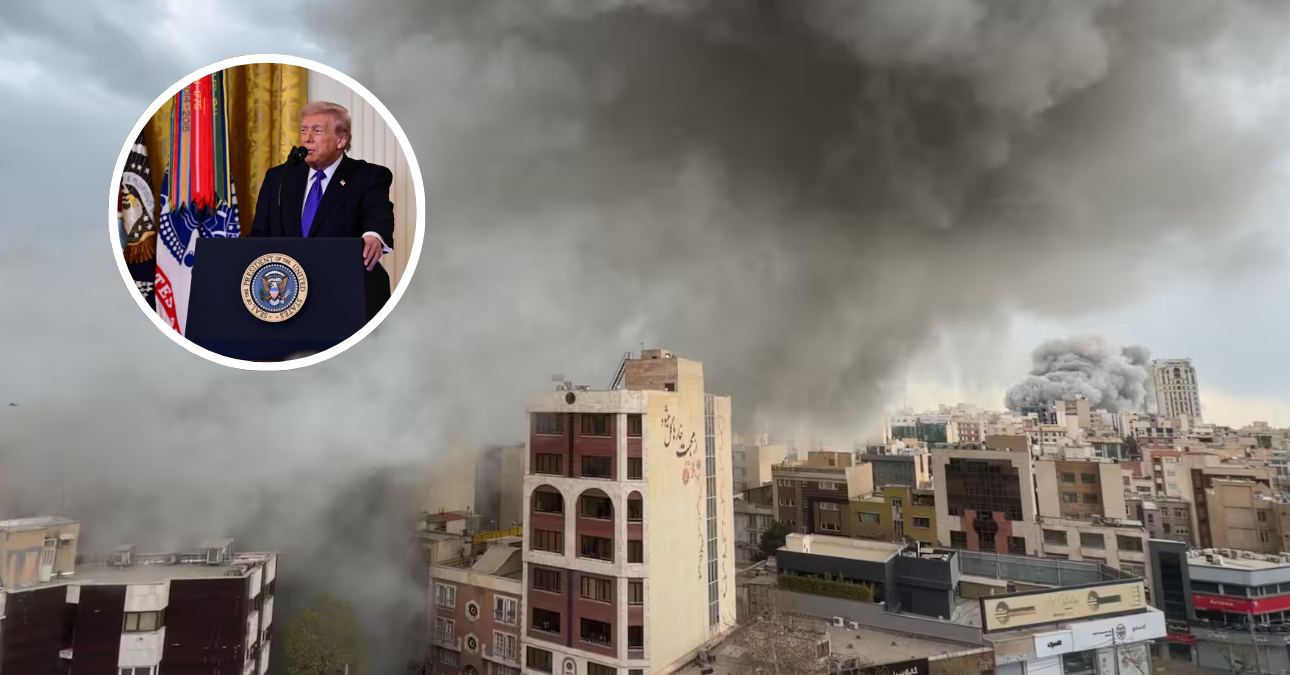
Global conflicts often appear distant from everyday life in Kenya, yet the recent tensions involving Iran and the United States are already sending shockwaves through the global energy system. Bombings targeting oil infrastructure in Iran have triggered fears of supply disruptions, pushing crude oil prices upward and raising concerns about environmental damage. For countries like Kenya that rely heavily on imported fuel, the effects of such geopolitical conflicts extend beyond the economy and into the broader conversation about climate change and environmental sustainability.
When oil facilities, refineries, or storage depots are bombed, the consequences go far beyond the immediate destruction. Massive fires often follow, releasing thick clouds of smoke filled with carbon dioxide, sulfur compounds, and other toxic pollutants. These emissions worsen air pollution and contribute to the accumulation of greenhouse gases in the atmosphere. Military activity itself also carries a large environmental footprint. Fighter jets, naval fleets, armored vehicles, and logistical operations consume enormous amounts of fossil fuels. As a result, conflicts around oil-producing regions significantly increase global emissions at a time when the world is struggling to slow climate change.
Iran’s strategic location near the Strait of Hormuz makes the situation even more sensitive. The narrow waterway is one of the most critical oil transit routes in the world, with a significant portion of global petroleum exports passing through it every day. When tensions escalate in this region, international markets quickly react. Traders anticipate supply disruptions, insurance costs for shipping rise, and crude oil prices climb. This ripple effect eventually reaches consumers thousands of kilometres away, including motorists in Kenya.
In Kenya, fuel prices are regulated by the Energy and Petroleum Regulatory Authority (EPRA), which reviews and adjusts pump prices every month based on global oil prices, exchange rates, and transportation costs. In the current pricing cycle running from mid-February to mid-March 2026, the maximum retail prices stand at approximately KSh 178.28 per litre for super petrol, KSh 166.54 for diesel, and KSh 152.78 for kerosene in Nairobi. Prices in other towns such as Nakuru are slightly lower due to transport margins, with petrol at about KSh 177.34 per litre and diesel at around KSh 165.9. These prices already reflect the pressure of global oil markets and various fuel taxes that form part of Kenya’s revenue structure.
The Kenyan government has been closely monitoring developments in the Middle East because of their potential to disrupt fuel supply chains. The Cabinet Secretary for Energy, Opiyo Wandayi, recently reassured the public that the country currently has adequate petroleum reserves and scheduled shipments to meet demand in the coming weeks. According to the ministry, Kenya has secured imports under its government-to-government fuel supply arrangements, which should cushion the country from immediate shortages even as tensions persist in the Gulf region. However, officials have also acknowledged that prolonged conflict could raise shipping costs, insurance charges, and crude oil prices, all of which eventually influence the price paid by Kenyan consumers.
Beyond economic concerns, the issue also touches on constitutional rights and environmental obligations. Under the Constitution of Kenya 2010, every Kenyan has the right to a clean and healthy environment. Article 42 of the Constitution states that every person has the right to an environment that is protected for the benefit of present and future generations through legislative and other measures. In addition, Article 69 obligates the state to ensure sustainable exploitation, utilisation, management and conservation of the environment and natural resources. It also requires the government to eliminate processes and activities that are likely to endanger the environment.
These constitutional provisions place a responsibility on both the government and citizens to reduce environmental harm, including pollution caused by fossil fuels. However, the reality on the ground often reveals the difficult choices faced by many Kenyans.
In the densely populated informal settlement of Kibera in Nairobi, many residents rely on cheap and easily available fossil fuels for daily survival. For instance, 34-year-old Amina Atieno, a small food vendor, starts her day before sunrise preparing tea and chapati for customers heading to work. Like many residents, she uses a small charcoal stove and sometimes kerosene to cook because cleaner alternatives such as electricity or gas remain expensive and unreliable in the settlement. The smoke from her stove fills the narrow alleyways between iron-sheet houses, mixing with fumes from nearby generators and motorcycles.
“I know the smoke is not good, but I have no other option,” she says, waving away the fumes while tending to a boiling pot. “Charcoal and kerosene are what most people here can afford.”
Amina’s story reflects a larger challenge. When global oil prices fluctuate due to conflicts such as the tensions involving Iran, the cost of cleaner fuels like liquefied petroleum gas (LPG) can also rise. As a result, many low-income households revert to cheaper but more polluting fuels such as charcoal, kerosene, or even plastic waste to cook. This not only contributes to environmental pollution but also exposes families to dangerous indoor air pollution.
Experts say such practices illustrate how global energy politics can indirectly influence environmental behaviour at the local level. When fossil fuels dominate energy systems, communities especially vulnerable ones are often left with limited choices that harm both their health and the environment.
For Kenya, the connection between international conflict, rising fuel prices, and environmental impact is becoming increasingly clear. The country is already experiencing the effects of a changing climate, including severe droughts, unpredictable rainfall, and flash floods in urban areas. Any increase in global greenhouse gas emissions, whether from war or continued reliance on fossil fuels, adds to the pressures that countries like Kenya must confront.
Yet there is also a potential turning point within this crisis. As fuel prices fluctuate and the world grapples with the environmental costs of oil dependence, Kenya’s growing investment in renewable energy—particularly geothermal, wind, and solar power—offers a pathway toward a more resilient and sustainable future.
The unfolding tensions involving Iran therefore highlight a larger truth about the modern world: environmental and economic consequences do not respect borders. A bombing of an oil facility in the Middle East can ripple across oceans, influence energy choices in Nairobi’s informal settlements, and ultimately shape the climate conditions that affect farmers, cities, and ecosystems across Kenya.