In the morning, the streets of Tehran feel different. Shops open later, conversations are quieter, and eyes constantly drift to the sky.
The distant rumble of military aircraft and the echo of sirens have become an unsettling soundtrack to daily life in a nation caught in the tension of war.
Across Iran, the atmosphere is thick with uncertainty, fear, and resilience as the conflict continues to shape every aspect of civilian life.
For many Iranians, the war is not just a geopolitical headline; it is a lived experience that has reshaped routines, dreams, and the sense of security that once defined normal life.
Parents now worry about school safety, traders fear economic collapse, and young people question what their future holds in a country overshadowed by escalating hostilities.
The root of the conflict lies in years of political tension, regional rivalries, and disagreements over security and nuclear development.
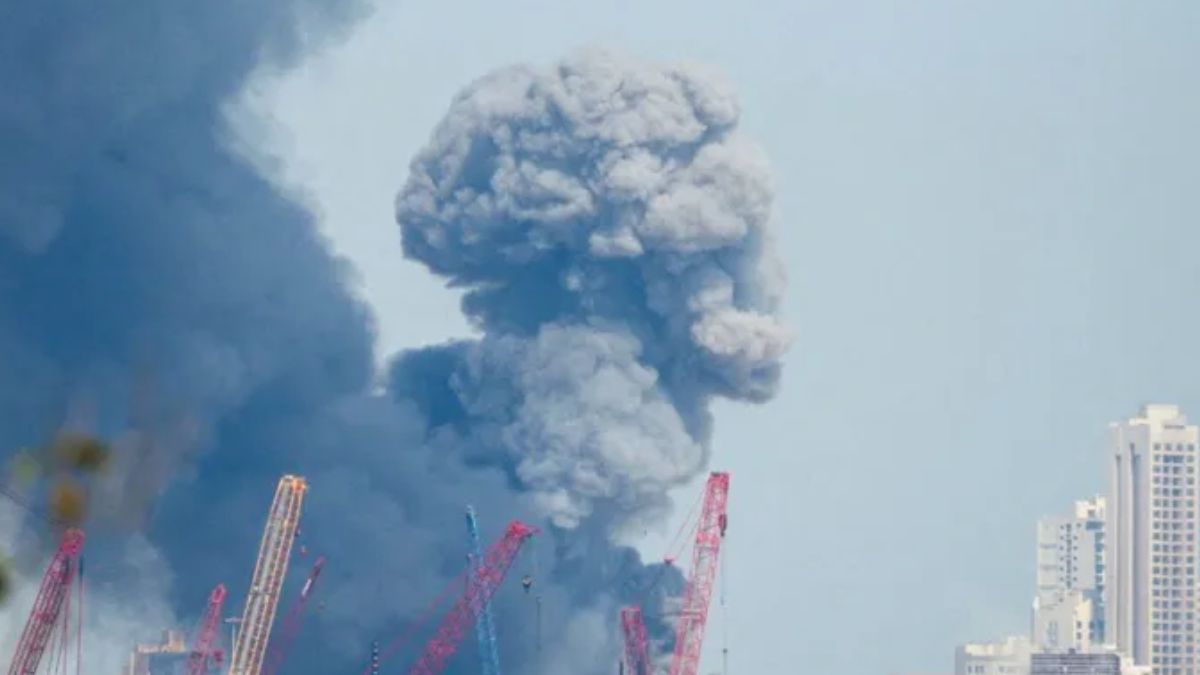
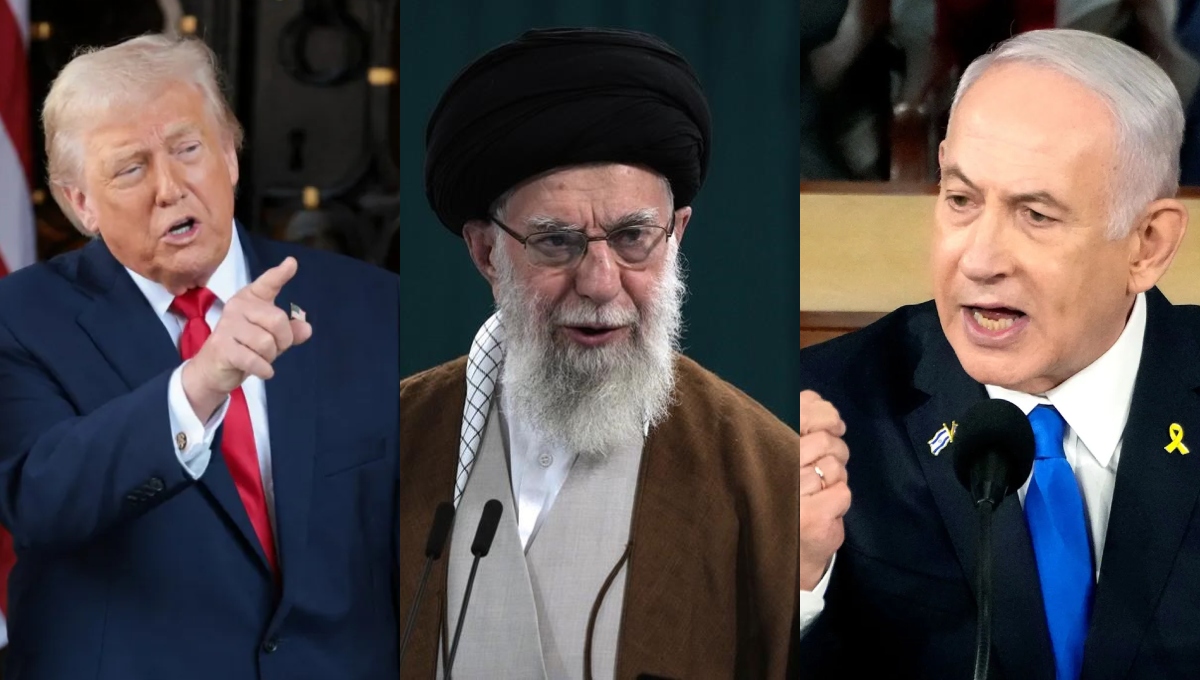
The situation intensified as confrontations between Iran and its adversaries, particularly Israel and Western allies, escalated into military exchanges and strategic threats.
What began as diplomatic hostility gradually transformed into open confrontation, with military operations, retaliatory warnings, and heightened military readiness across the region.
The war has not remained confined within national borders. Its ripple effects have spread across the Middle East, raising fears of a broader regional escalation that could draw in multiple nations and destabilize global peace.
Analysts warn that even limited strikes or retaliatory actions carry the risk of triggering wider confrontations, making the situation one of the most delicate geopolitical crises in recent years.
While political leaders exchange statements and military strategies, ordinary citizens bear the heaviest burden. In residential neighborhoods, families live under constant anxiety, unsure of when the next escalation might occur.
Hospitals have reported increased cases of trauma and stress-related illnesses, not only from physical injuries but from the psychological toll of living in a conflict zone.
Children, perhaps the most vulnerable victims of war, now grow up with the language of conflict embedded in their daily vocabulary. Instead of discussing school trips or sports, many speak about safety drills, news updates, and the fear of sudden unrest.
Teachers in several urban areas have adapted lesson plans to include emergency preparedness, a sign of how deeply the war has permeated civilian life.
Small business owners, once hopeful about economic recovery, now face dwindling customers and rising inflation. Markets that once bustled with energy now operate under uncertainty, with supply chains disrupted and prices of basic commodities steadily increasing.
For many households, survival has replaced stability as the primary concern.
The war in Iran is not only a regional issue but a global economic concern. The country’s strategic position near the Strait of Hormuz, one of the world’s most critical oil transit routes, has heightened fears of disruptions in global energy supply.
Any instability in this corridor can lead to fluctuations in oil prices, affecting economies far beyond the Middle East.
Sanctions, military spending, and trade restrictions have further strained Iran’s economy, leading to job losses, currency depreciation, and rising living costs.
Economists warn that prolonged conflict could deepen economic hardship, pushing more citizens into poverty and limiting opportunities for growth and development.
Amid the tension, international organizations and global leaders have repeatedly called for restraint and diplomatic dialogue.
The United Nations has emphasized the urgent need for peaceful negotiations to prevent further escalation and humanitarian crisis.
Peace advocates argue that continued warfare will only deepen regional instability and prolong civilian suffering.
Within Iran, many citizens have expressed a desire for peace rather than prolonged confrontation.
Social media, community forums, and public discussions reveal a population that, despite political divisions, shares a common hope: stability and safety.
For them, peace is not merely a political outcome but a necessity for survival and progress.
Despite the challenges, stories of resilience continue to emerge. Volunteers organize community support groups, medical professionals work tirelessly under pressure, and families find ways to maintain a sense of normalcy amid chaos.
Cultural events, though reduced in scale, still take place as acts of defiance against fear, reminding citizens of their shared identity and strength.
Religious centers and community spaces have also become places of emotional refuge, where people gather to pray, reflect, and support one another. These small acts of solidarity highlight the enduring human spirit even in the most difficult circumstances.
The long-term consequences of the war remain uncertain. Political analysts suggest that the conflict could reshape regional alliances, military strategies, and diplomatic relations for years to come.
Internally, the war may influence governance, economic policy, and national unity as the country navigates the complexities of prolonged tension.
For young Iranians, the war represents a turning point in their generation’s history. Many now face disrupted education, limited employment opportunities, and an unpredictable future shaped by instability. Yet, despite these challenges, there remains a quiet determination among citizens to rebuild and move forward once peace is restored.
Ultimately, the war in Iran is more than a geopolitical struggle; it is a human story of endurance, loss, and hope. Behind every headline about military action lies a family seeking safety, a child longing for normalcy, and a nation striving to maintain its identity amid turmoil.
As the world watches the unfolding conflict, one truth stands out: wars are fought by nations, but endured by people.
In the streets of Tehran and beyond, life continues under the shadow of uncertainty, carried forward by resilience and an unwavering hope that peace will one day replace the echoes of war.
Written by Omondi Levis Otieno, student at Mount Kenya University