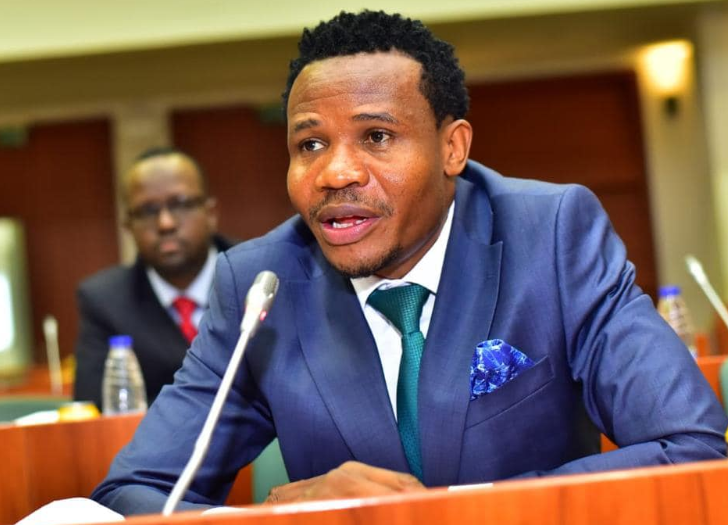
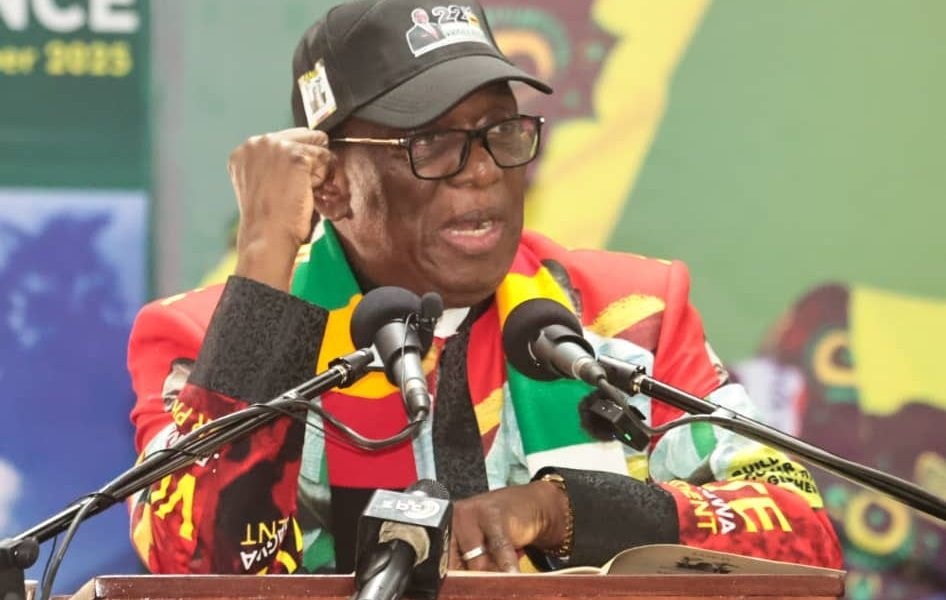
Former Nairobi Governor Anne Kananu has broken her silence on the cooperation agreement between President William Ruto and Governor Sakaja Johnson, firmly dismissing claims that the deal amounts to a transfer of county functions to the National Government.
In a detailed statement issued Friday, February 20, Kananu clarified what she described as widespread confusion between a “transfer of functions” and a “cooperation agreement,” arguing that the two are fundamentally different in law and practice.
Drawing from her tenure as governor during the establishment of the Nairobi Metropolitan Services (NMS), Kananu recalled that four critical county functions (health services, transport, planning and development, and public works) were formally transferred to the National Government under Article 187 of the Constitution.
She explained that under that framework, operational control shifted entirely to the national level, with NMS directly managing departments. Staff were seconded, revenue collection including parking fees was handled by the Kenya Revenue Authority, and a significant portion of Nairobi’s budget was redirected to the transferred functions. 
“That is what a transfer of functions entails,” Kananu noted, emphasizing that although she remained constitutionally accountable as governor, day-to-day execution of those roles rested elsewhere. 
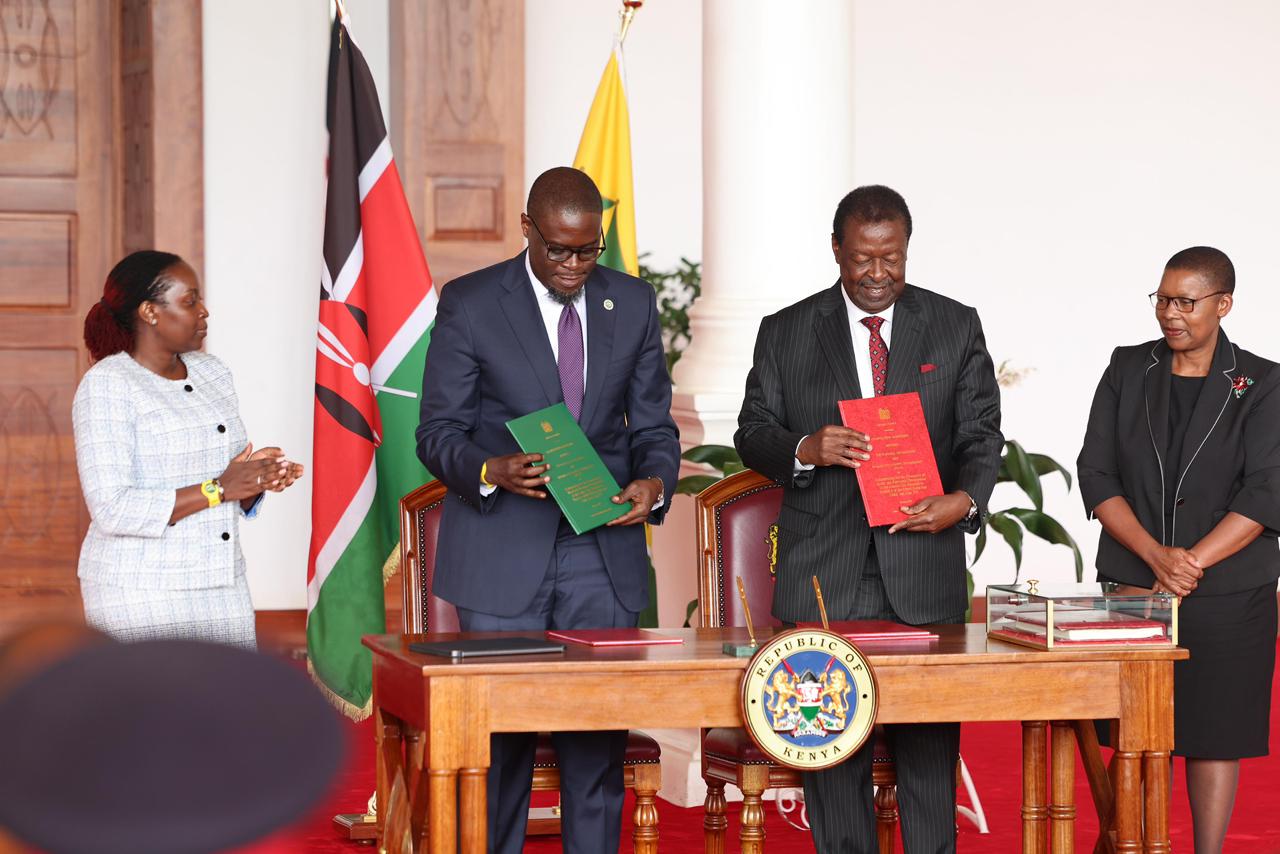
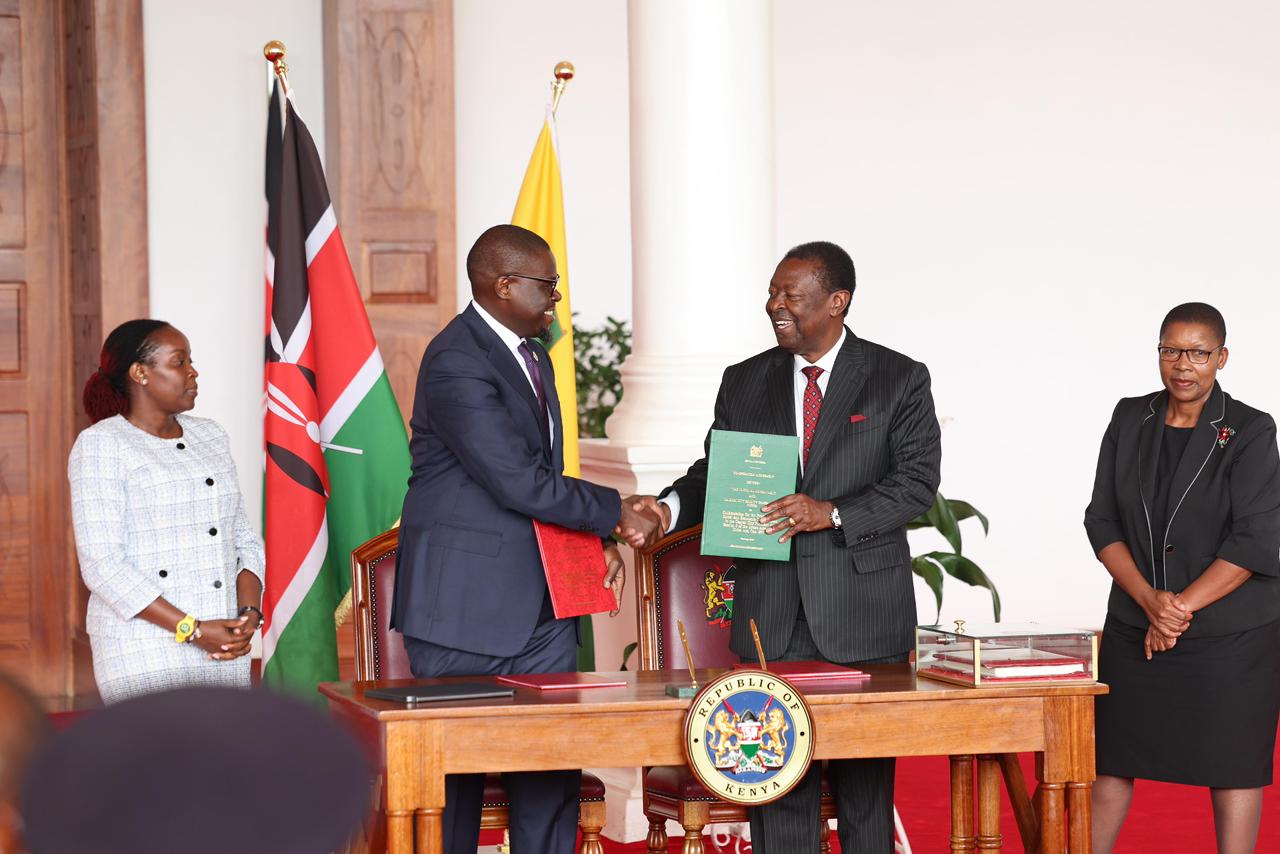
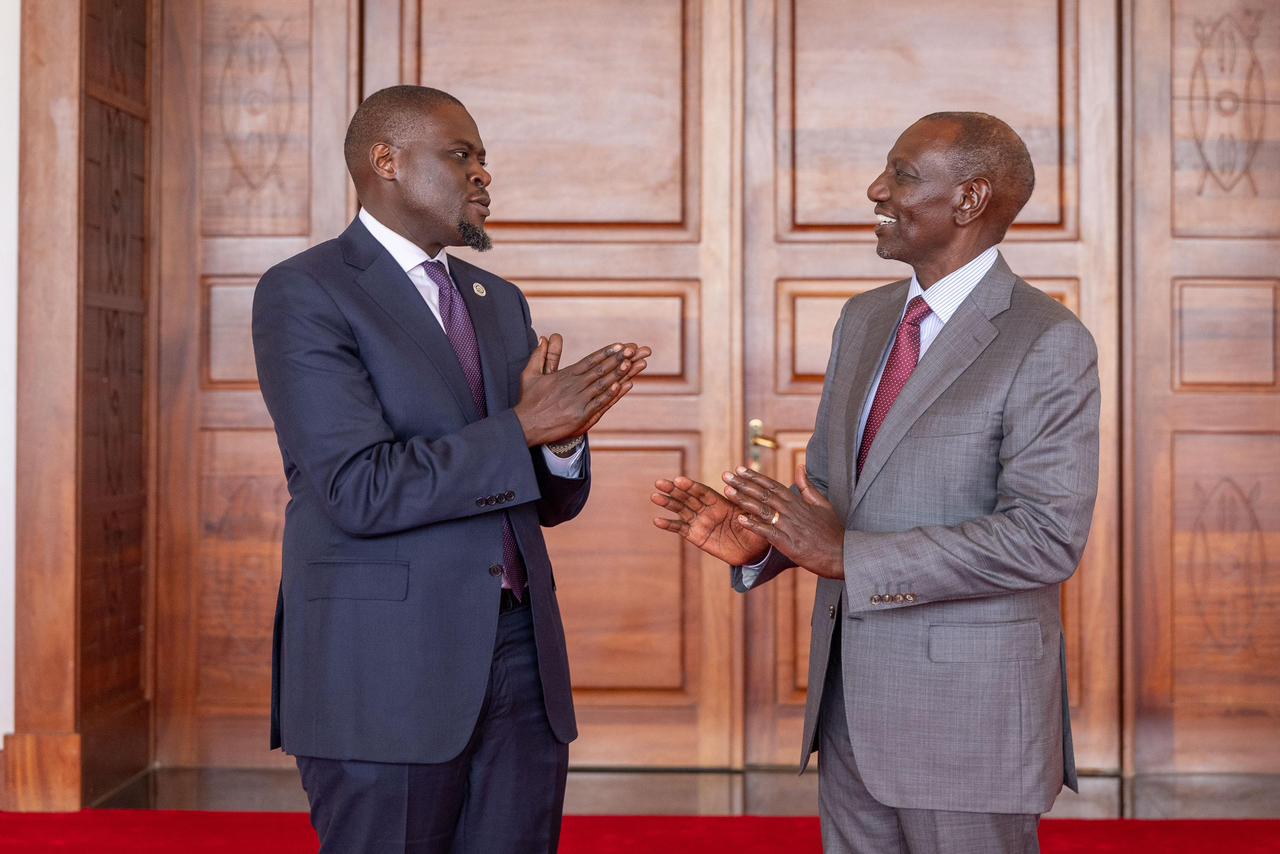
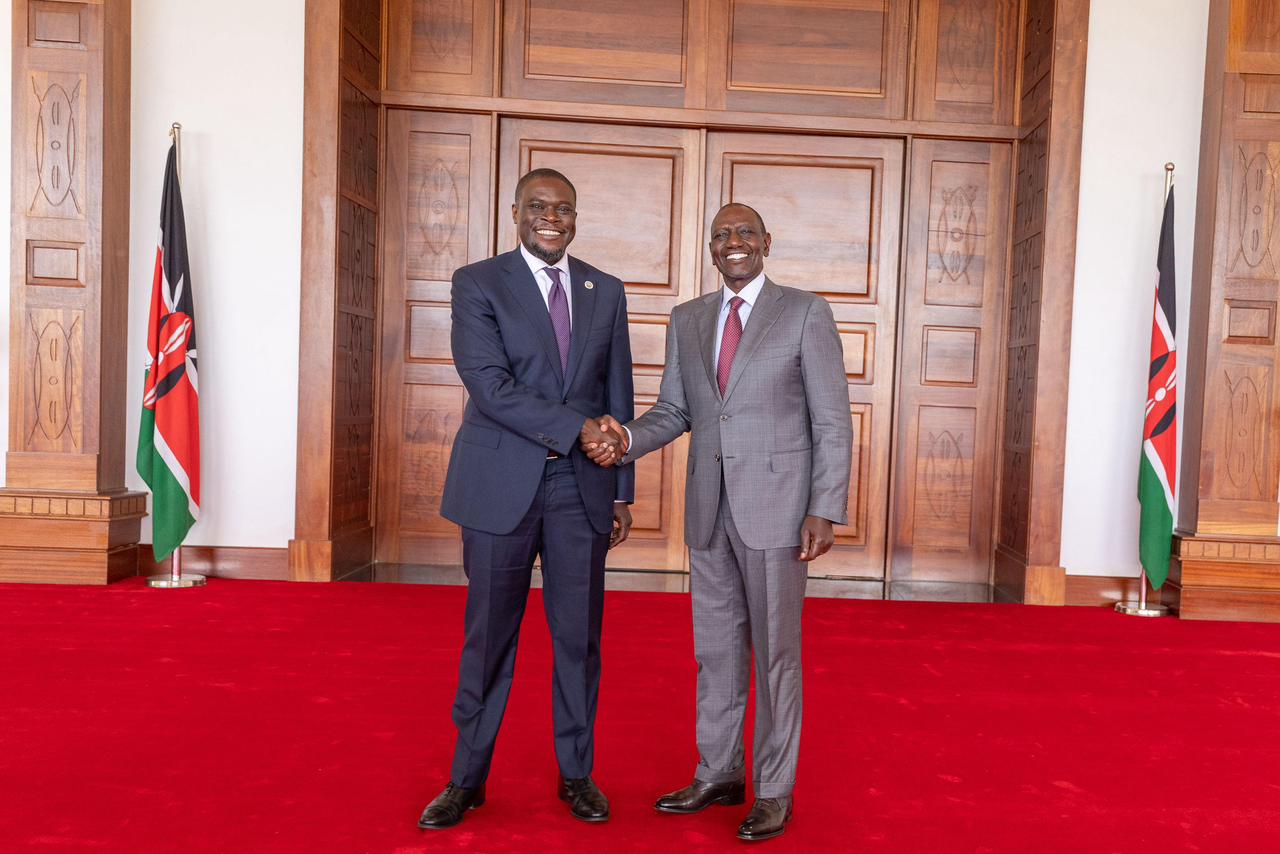
In contrast, she said the newly signed agreement is anchored in Articles 6(2) and 189 of the Constitution, which mandate intergovernmental consultation and cooperation. According to Kananu, the pact does not surrender any devolved powers or diminish the governor’s authority.
Instead, she highlighted that the agreement injects an additional KSh80 billion into Nairobi on top of the county’s annual KKananu, Who Oversaw NMS Transfer, Says Ruto–Sakaja Deal Is Cooperation — Not a TakeoverSh40 billion allocation. Sakaja, she said, remains the county’s Chief Executive and chairs the implementation committee overseeing projects, even as national officials participate in the framework.
Addressing concerns over oversight, Kananu maintained that there is no constitutional vacuum. She pointed out that Parliament retains oversight over national funds through the National Assembly, while the Senate continues to oversee devolved matters.
“All funds move through structured government systems subject to audit, parliamentary scrutiny, and established accountability institutions,” she stated. 
On public participation, the former Governor argued that while it is a constitutional value, it must be interpreted holistically alongside the Constitution’s express command for intergovernmental collaboration. She added that the matter being before the courts demonstrates that Kenya’s constitutional order remains intact. 
“Let us debate these matters on the basis of facts, constitutional clarity, and informed understanding rather than fear or misinformation,” she urged. 
Kananu concluded by underscoring Nairobi’s unique status as Kenya’s capital city, saying structured national support for infrastructure, water and sewer systems, roads, lighting, waste management, and security is consistent with global practice and reflects the city’s strategic economic and political importance.