
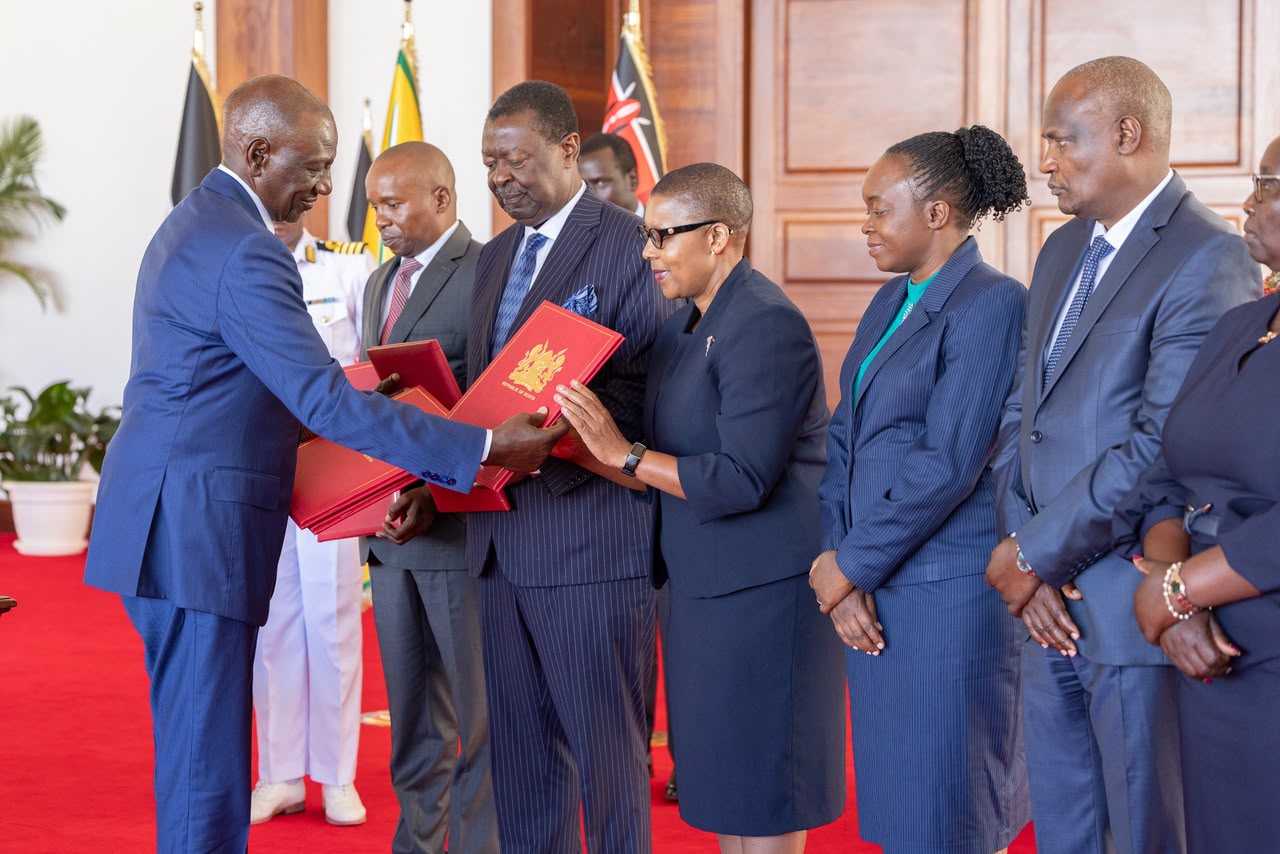
Victims of sexual offences are set to benefit from stronger legal protections following President William Ruto’s assent to two amendments to the Sexual Offences Act, introducing measures to strengthen public awareness, safeguard access to education and close loopholes that have allowed offenders to evade prosecution through informal settlements.
The Sexual Offences (Amendment) Bill, 2023, sponsored by Kisii County Woman Representative Doris Donya Aburi, addresses gaps in public awareness and support for victims, while the Sexual Offences (Amendment) Bill, 2025, sponsored by Garissa County Woman Representative Udgoon Siyad Kuno, strengthens the administration of justice by addressing the withdrawal and delayed conclusion of sexual offence cases.
The 2023 legislation mandates the Cabinet Secretary responsible for gender matters to promote nationwide public education and information campaigns on sexual offences and their far-reaching consequences, including psychological trauma, social stigma, infections and unwanted pregnancies.
The provision responds to persistent gaps in advocacy and public awareness surrounding gender-based violence, which often prevent victims and witnesses from reporting offences. Increased awareness is intended to encourage reporting, strengthen prevention efforts and promote collective responsibility in addressing sexual violence.
The law also places an obligation on the Cabinet Secretary responsible for education to establish programmes safeguarding and promoting the right to education of victims of sexual offences, including teenage pregnancy victims.
Recognising that stigma, fear of judgement and inadequate support often interrupt victims’ education, the provision requires interventions that include specialised psychological support and counselling to help affected learners cope with trauma and continue their education.
The 2025 amendment tackles another longstanding challenge: the use of traditional dispute-resolution mechanisms, including maslaha, to settle sexual offences outside the formal justice system. Such arrangements have often involved compensation to victims’ families, allowing accused persons to escape prosecution while victims are denied access to justice.
The law prohibits courts from permitting the discontinuation of sexual offence proceedings solely on the basis of an out-of-court settlement. It further criminalises coercing or inducing victims to withdraw complaints, including through purported settlements, giving effect to constitutional safeguards against customs and practices that undermine fundamental rights and justice.
To address delays in the justice system, the legislation requires trials involving offences under the Act to proceed on a day-to-day basis and be concluded within six months of the taking of plea. Adjournments are permitted only in exceptional and unforeseen circumstances, with courts required to record reasons.
The Sexual Offences (Amendment) Bill, 2023, was passed by the National Assembly, with amendments, on October 21, 2026, while the 2025 Bill was passed on November 4, 2026.
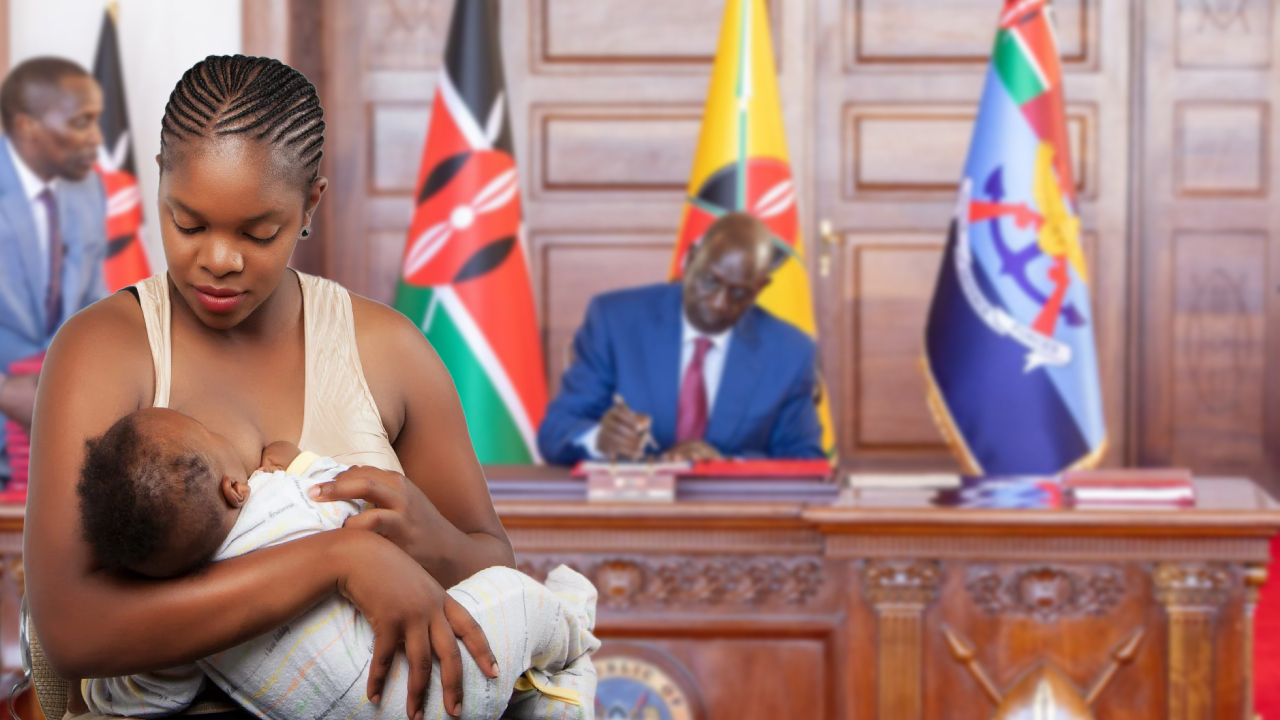
President Ruto also assented to four other Bills: the East African Development Bank (Amendment) Bill, 2026; the Environmental Professionals Institute of Kenya Bill, 2024; the Public Service Superannuation Scheme (Amendment) Bill, 2025; and the Breastfeeding Mothers Bill, 2024.