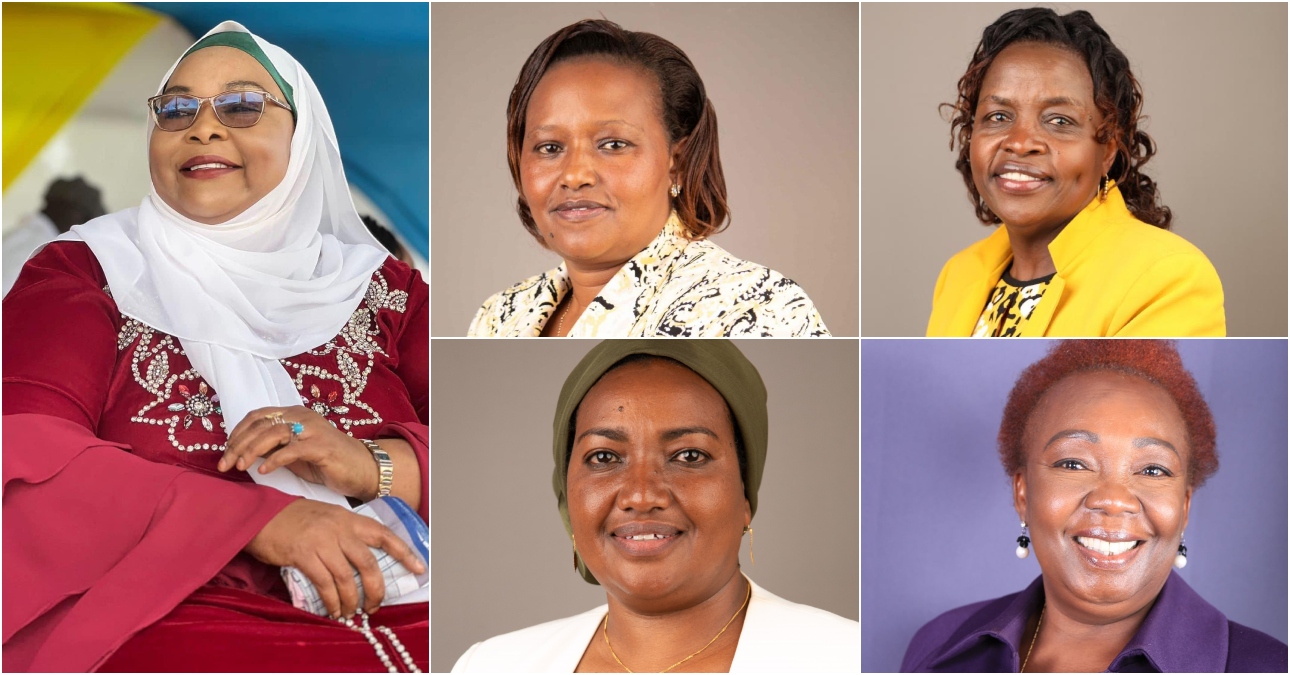
The National Government Affirmative Action Fund (NGAAF) has emerged as a critical vehicle for grassroots empowerment, supporting education, women and youth programmes, vulnerable households and community development initiatives.
The ranking below considers the visibility, reach and impact of NGAAF interventions in the respective constituencies and counties.
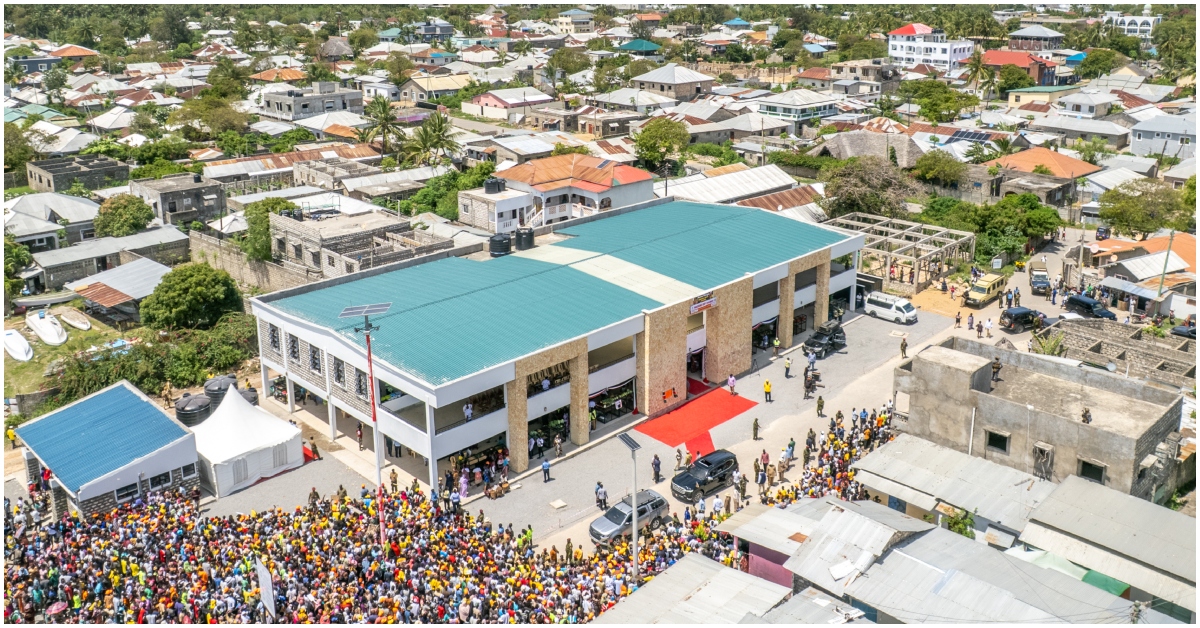
Topping the list is Zamzam Mohamed Chimba of Mombasa, whose office stands out for the breadth and visibility of its grassroots interventions. Her office has placed considerable emphasis on empowering vulnerable women, including widows, while linking beneficiaries to wider government opportunities.
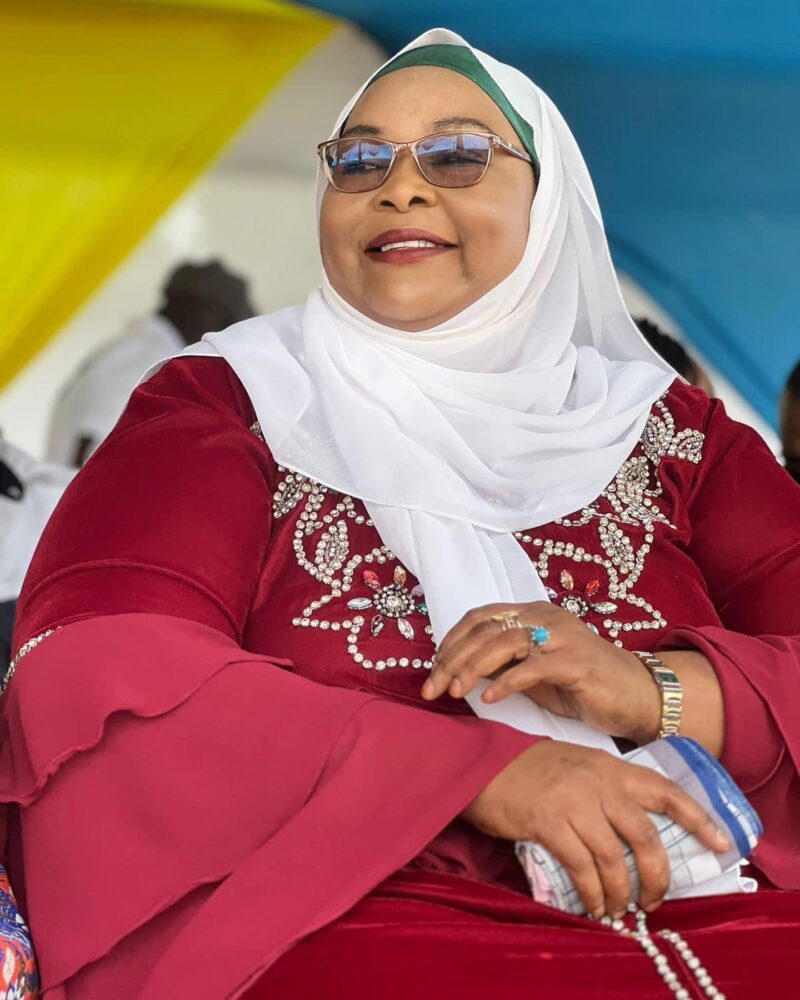
Youth empowerment and economic inclusion have also featured prominently in her programmes. Mombasa has also been among the counties where NGAAF-supported gender-based violence interventions have sought to strengthen protection and support systems, including rescue and safe-house initiatives.
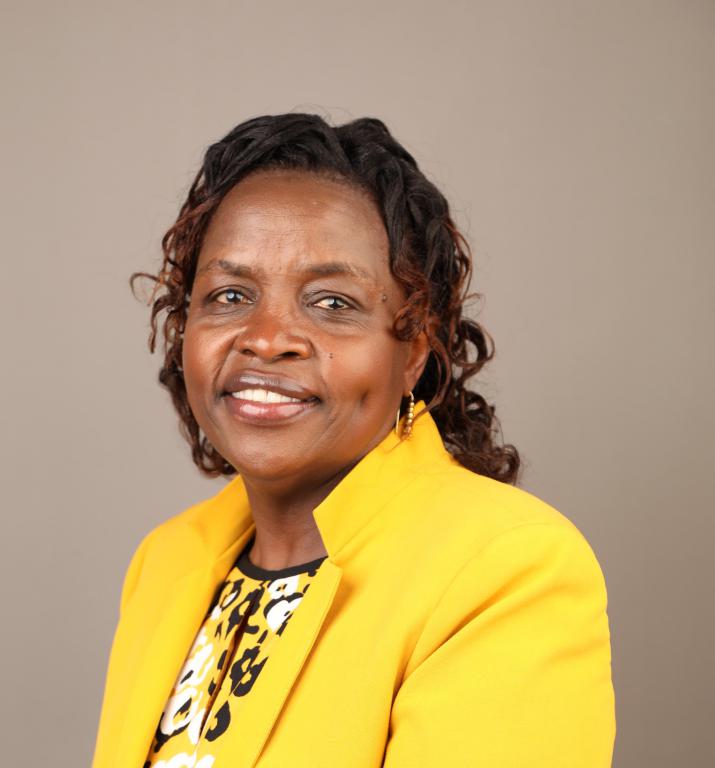
Second is Leah Sopiato Sankaire of Kajiado, whose programmes have targeted some of the most pressing challenges facing pastoralist communities.
Education support has been a major focus, alongside interventions addressing water and other essential services in an arid and semi-arid environment. Her programmes have deliberately focused on marginalised communities that often face difficulties accessing mainstream development opportunities.
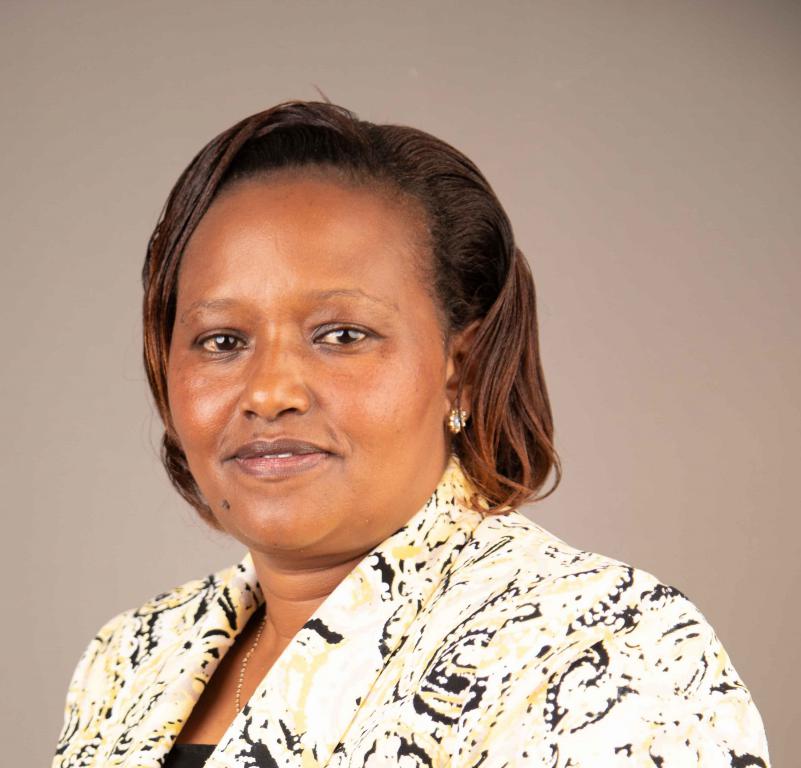
Third is Pamela Njoki Njeru of Embu, popularly associated with the “Double N” brand. Her development approach combines education, empowerment and grassroots engagement.
Supporting needy students through bursaries remains one of the strongest pillars of her interventions, while women and youth empowerment programmes seek to strengthen economic independence.
Fourth is Naomi Jillo Waqo of Marsabit, whose development footprint reflects the unique circumstances of northern Kenya. Her programmes have sought to expand opportunities for women and young people while supporting vulnerable communities in a county affected by historical conflict, community tensions and limited access to basic services.
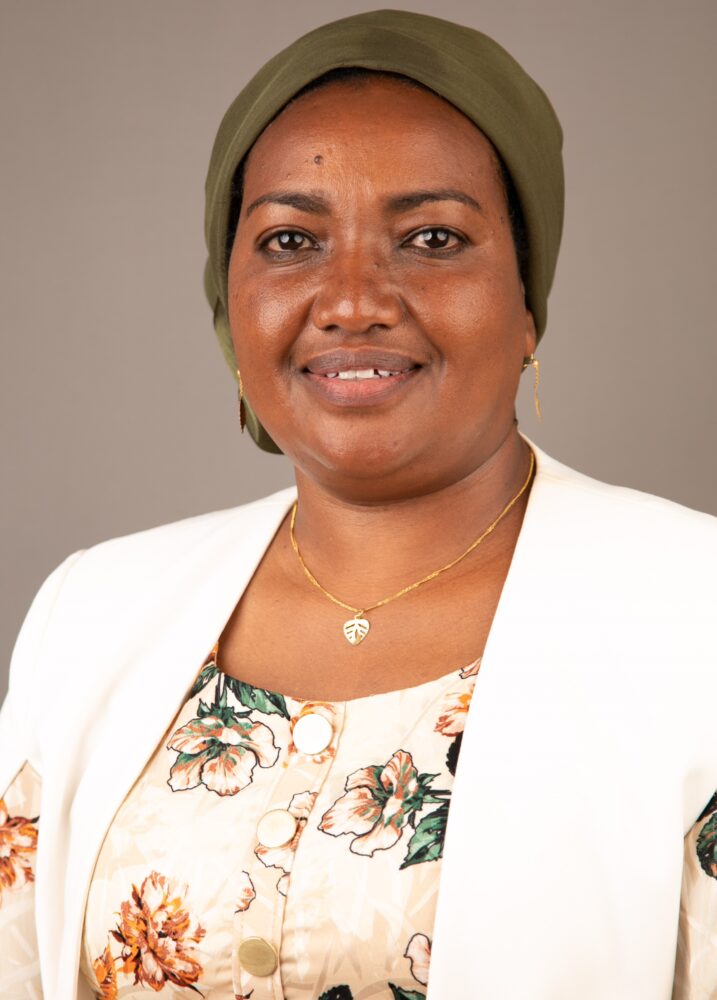
Fifth is Elizabeth Karambu Kailemia of Meru, who has placed considerable emphasis on education and the protection of vulnerable groups.
Her office has reported supporting more than 1,500 needy students through bursaries, alongside hundreds of beneficiaries of scholarship programmes. She has also been associated with efforts to strengthen the NGAAF Gender-Based Violence Rescue Centre in Meru and make the facility fully operational. The initiative has further been linked to opportunities for youth training and empowerment.
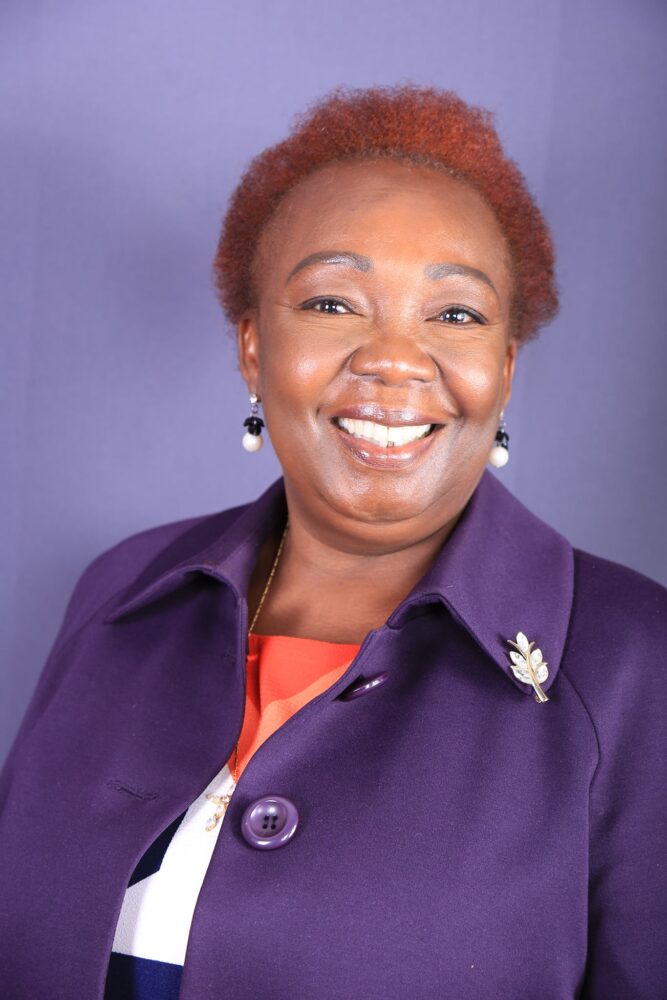
Sixth is Ruth Adhiambo Odinga of Kisumu, whose strongest NGAAF footprint is in economic empowerment and support for organised community groups.
Her office has channelled resources towards women’s groups seeking to expand their economic activities, while interventions have also extended to young people and persons with disabilities. In 2024, her office disbursed more than KSh2 million to more than 40 women’s groups to support their projects.
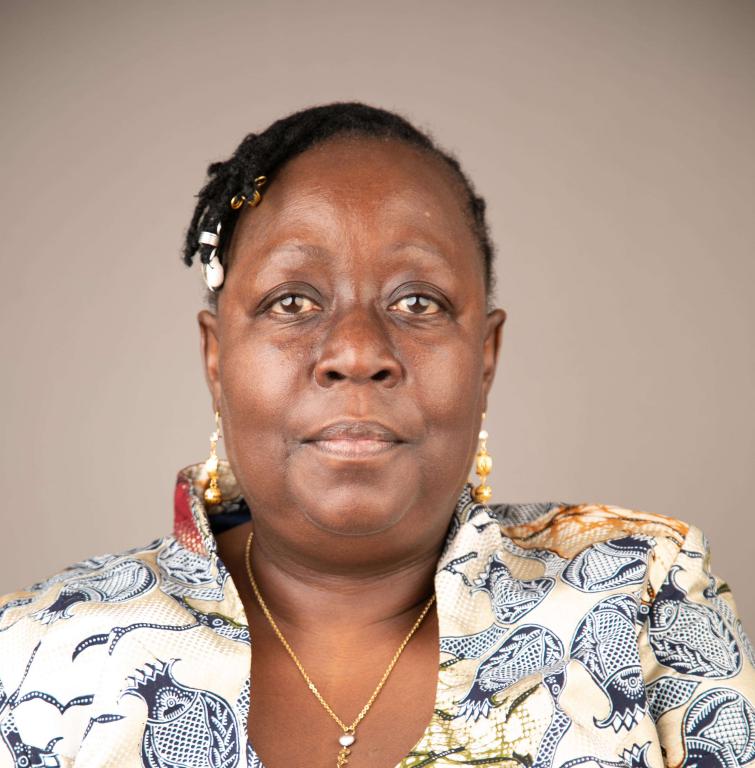
Seventh is Joyce Kamene of Machakos, who has maintained a sustained focus on grassroots economic empowerment. Her office has supported women and youth groups through direct NGAAF financing, including table-banking initiatives designed to strengthen household incomes and group capital. In one documented intervention, more than 100 women and youth groups in Mwala received funding aimed at strengthening their economic activities.
Eighth is Cecilia Asinyen Ngitit of Turkana, whose position reflects the considerable challenge of delivering development programmes in one of Kenya’s most geographically and economically challenging counties. Her interventions target marginalised communities facing significant socioeconomic disadvantages, with education support remaining an important avenue for expanding opportunities for vulnerable children. Her leadership has previously attracted national attention, including a 2023 Infotrak ranking that placed her among the country’s leading Women Representatives.
Ninth is Elsie Busihile Muhanda of Kakamega, whose grassroots agenda includes healthcare access, youth empowerment and women-focused development. Youth initiatives have formed an important component of her community engagement, while women-focused programmes seek to strengthen their economic and social position. Her performance has also featured positively in independent assessments, including a 2024 Infotrak score that placed her among the better-performing Women Representatives nationally.
Tenth is Catherine Wambilianga of Bungoma, whose office has focused on community empowerment initiatives targeting vulnerable households and organised community groups, alongside women and youth programmes. Economic and social empowerment remain important components of her affirmative-action interventions, with a broader focus on taking development resources directly to communities.