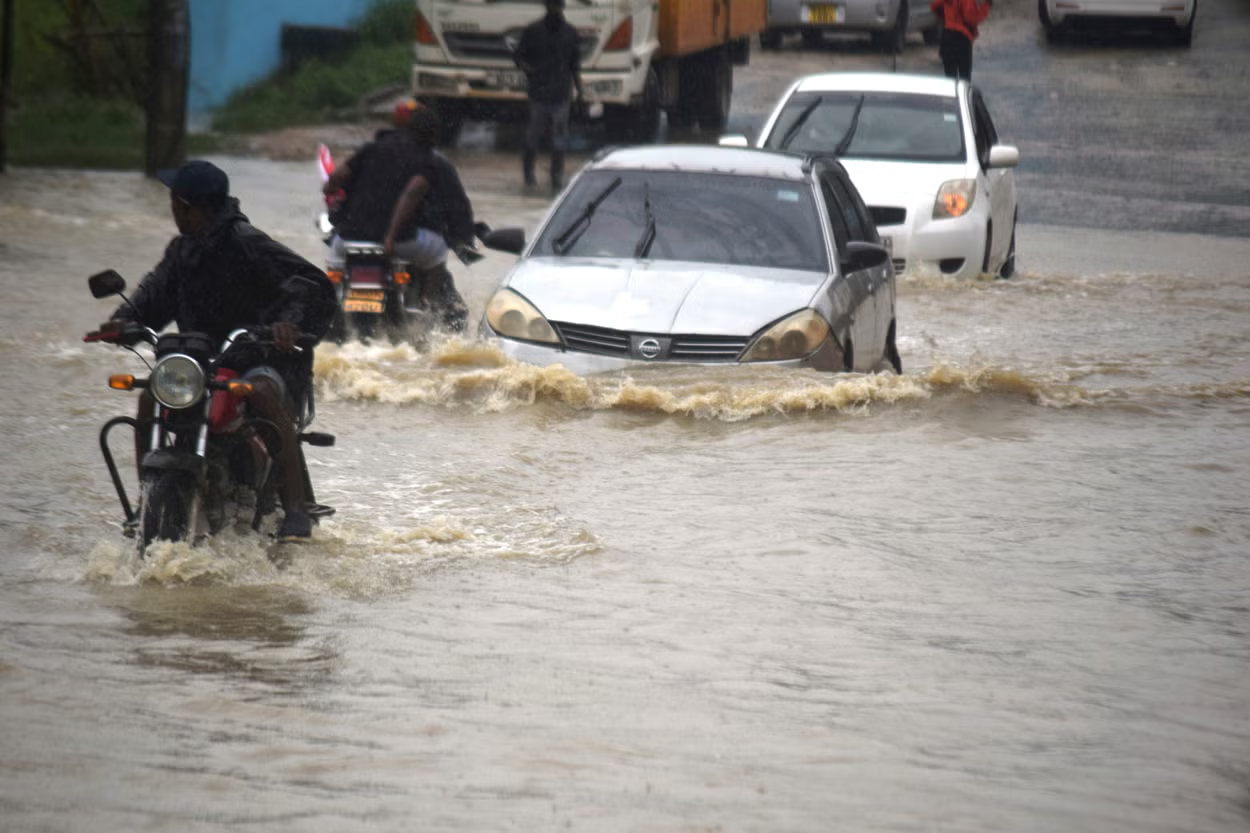
Nairobi’s vulnerability to flooding exacerbated by three major rivers running through the city has once again come into sharp focus following recent heavy rains.
In response, Prime Cabinet Secretary Musalia Mudavadi has reviewed a KSh 47.2 billion National Government–Nairobi County masterplan anchored on a “Sponge City” design.
The plan falls under the Nairobi Rising Programme, a key component of the cooperation agreement between President William Ruto and Nairobi Governor Sakaja Johnson.
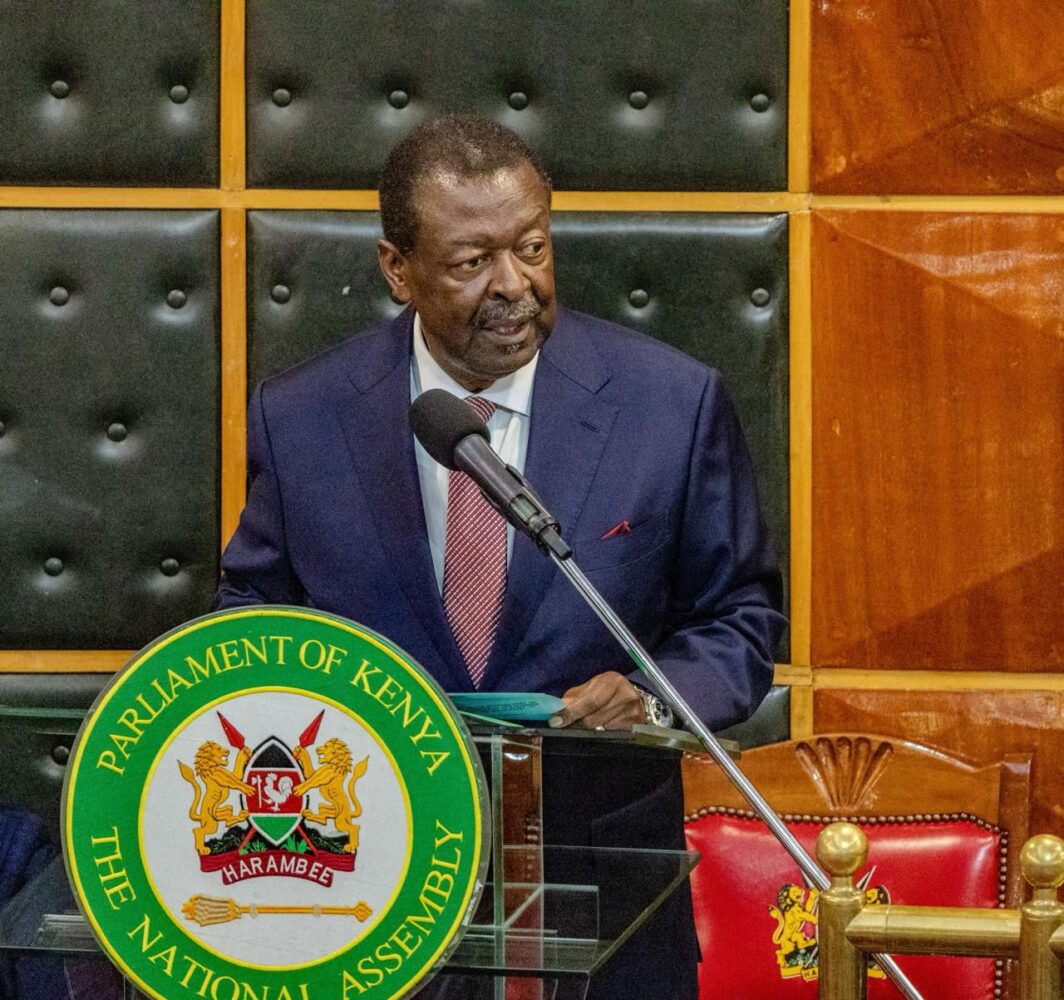
Speaking in Parliament, Mudavadi said the strategy is designed to deliver a coordinated, climate-resilient transformation of Nairobi’s urban systems. He noted that it forms part of long-term measures to improve stormwater drainage, flood control, and climate-resilient infrastructure.
“The strategy is structured in three progressive phases to ensure both immediate response and long-term sustainability,” Mudavadi said.
Mudavadi, who chairs the Joint Steering Committee of the Ruto–Sakaja pact, outlined the phased implementation plan.Phase I (2026) will focus on emergency stabilization, including rapid rehabilitation of critical drainage systems, establishment of flood early warning mechanisms, development of flood risk mapping, and strengthening coordinated emergency response capacity across the city.
Phase II (2026–2028) will transition to structural resilience by delivering comprehensive drainage solutions across river sub-catchments, rehabilitating key river corridors such as Mathare and Ngong, constructing underground flood retention infrastructure, and integrating green infrastructure to reduce runoff and enhance water absorption.
Phase III (2028–2032) will advance long-term climate adaptation through citywide deployment of resilient infrastructure systems, expansion of green corridors along river networks, and establishment of a dedicated Climate Resilience Investment Fund to sustain ongoing interventions.
“The National Government and Nairobi City County are jointly implementing key infrastructure projects under the cooperation agreement, including large-scale road and drainage upgrades, expansion of sewer and sanitation infrastructure, and integration of flood mitigation systems within transport and housing developments,” Mudavadi added.
He emphasized that flooding in Nairobi is a structural challenge requiring a whole-of-society approach combining emergency response, coordinated planning, and sustained long-term investment.
A coordinated emergency response unit bringing together the National Government, county disaster teams, and security agencies has already been established to support evacuation, rescue operations, and humanitarian assistance.
On riparian enforcement, Mudavadi said the government has initiated immediate demarcation and protection of riparian reserves, alongside targeted evacuation of residents in high-risk flood zones to prevent further loss of life.
The initiatives are anchored under the Nairobi Rising Programme, an estimated KSh 80 billion cooperation framework formalized in February 2026 between the National Government and Nairobi City County.
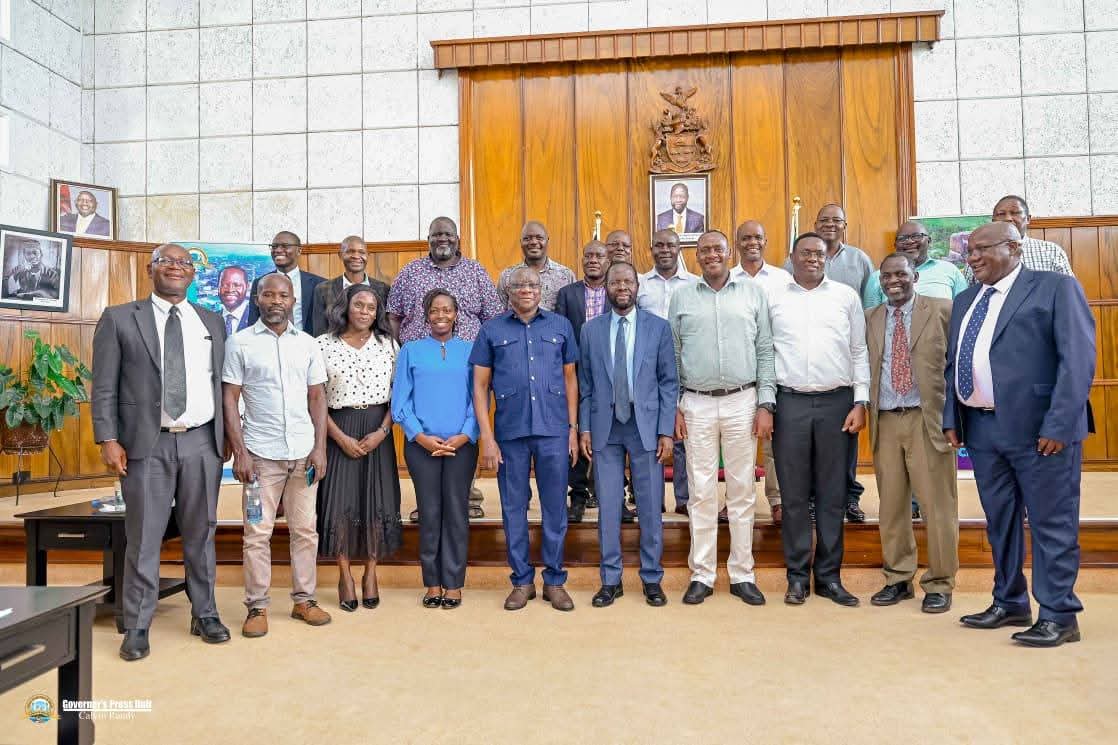
The developments come a day after Governor Sakaja led the implementation committee where he serves as chair to State House for a meeting with President Ruto.
The team presented progress on the rollout of the additional KSh 80 billion funding earmarked for various development projects under the agreement.
The State House meeting followed three consecutive sittings of the implementation committee at City Hall, chaired by Sakaja, where members reviewed and aligned execution plans for the projects.