
NAIROBI, KENYA — June 24, 2026 — The Media for Environment, Science, Health and Agriculture (MESHA), in partnership with the International Development Research Centre (IDRC) Canada, announced the winners of its inaugural MESHA Health and Climate Change Journalism Awards.
The regional awards celebrated exceptional reporting on the intersection of public health, climate resilience, and environmental shifts across East and Southern Africa, drawing 54 applications from Consortium member nations including Kenya, Uganda, Tanzania, Malawi, Zambia, and Zimbabwe.
As a member of the International Federation of Agricultural Journalists (IFAJ) and the World Federation of Science Journalists (WFSJ), MESHA established this initiative to elevate science communication standards across the continent.
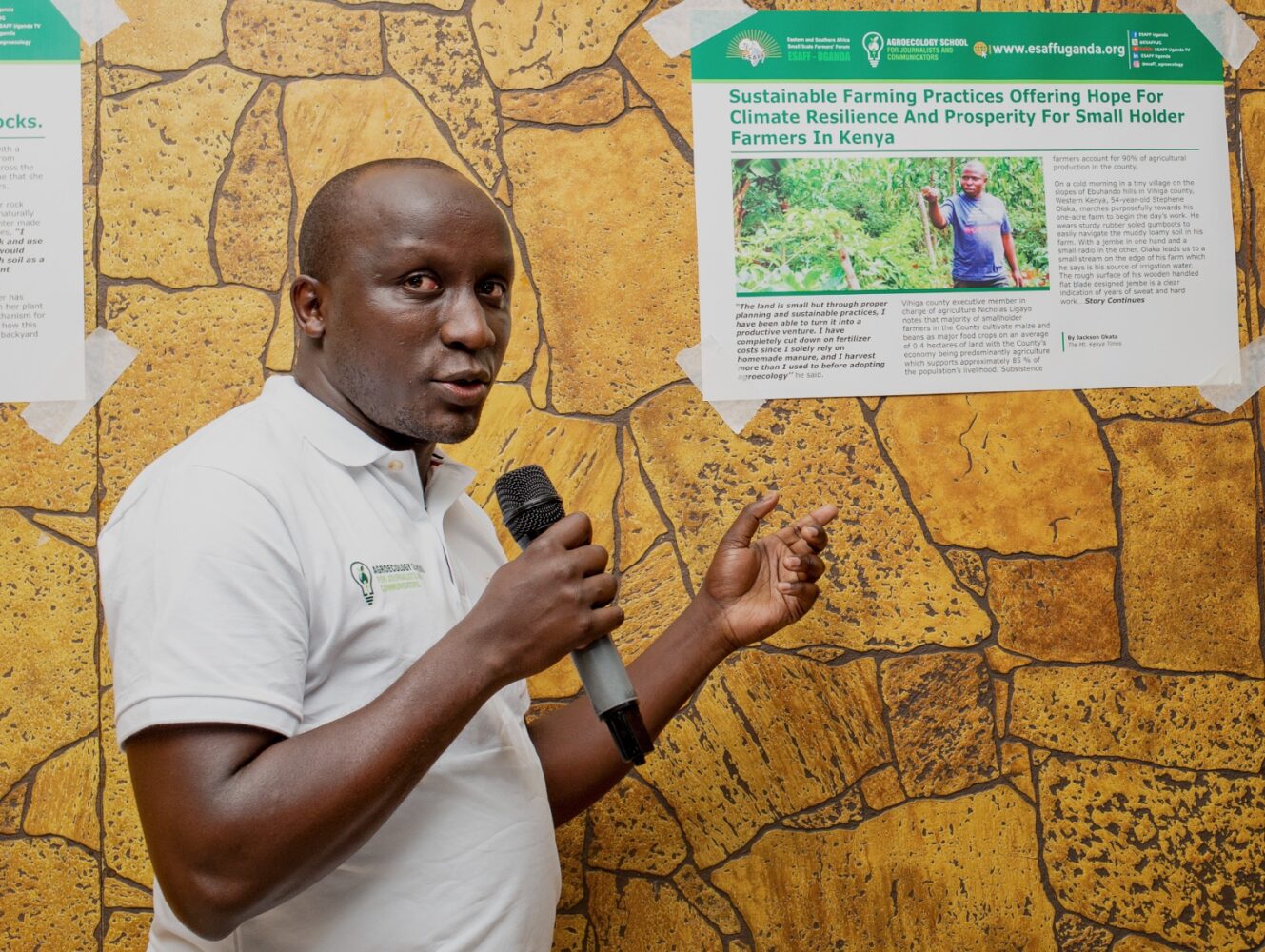
A panel of judges evaluated the submissions based on thematic relevance, research depth, and storytelling innovation. Jackson Okata (MESHA, Kenya) emerged as the overall winner for his story, “Sand dams are fighting scarcity and diseases”.
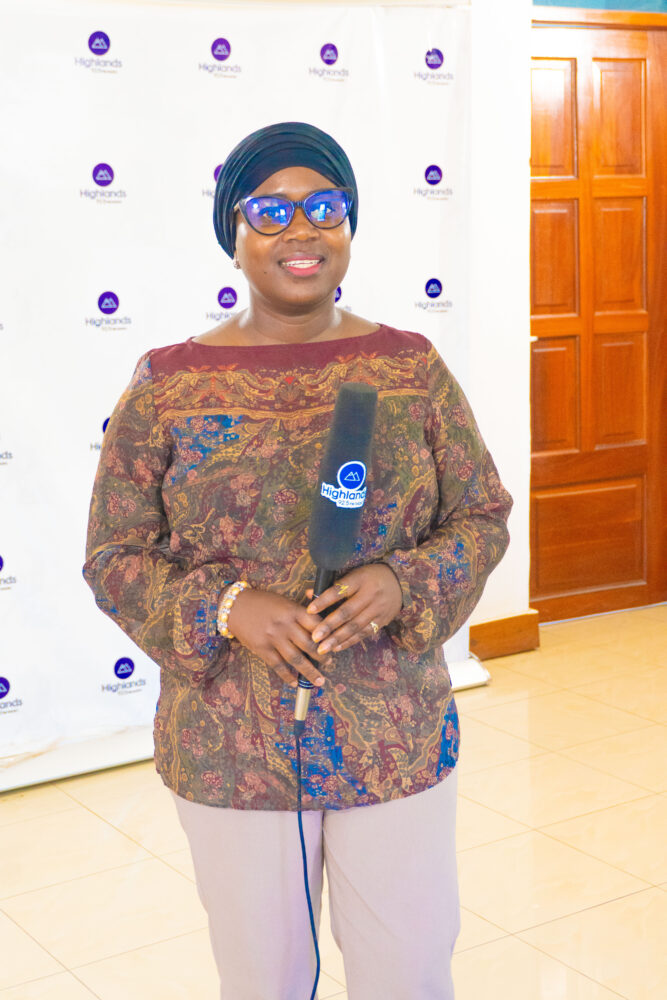
Mwanaisha Makumbuli (Highlands FM Radio, Tanzania) secured 1st Runner-Up with “Mabadiliko ya Tabia Nchi – Ukataji Miti Holela,” while Simon Chris Makanga (Athari Media Support Africa, Uganda) was named 2nd Runner-Up for “Forced Choices – Climate change rewriting women’s reproductive choices in Karamoja Subregion Uganda”. Milliam Murigi (Science Africa) took the 3rd Runner-Up prize for her feature, “Climate change now a major public health crisis”.

The top ten finalists and special mentions also recognised journalistic contributions from Asha Bekidusa (Willow Health Media), Yvonne Kawira (Willow Health Media), Sammy Waweru (Daily Nation, Kenya), and Christine Ochogo (MESHA, Kenya).
“These awards aim to incentivize and motivate journalists to attend the Media science cafes,produce accurate, engaging, and impactful research-based stories,” said Aghan Daniel, the Chief Executive Officer, MESHA.
Submissions from Simon Wokorach – Uganda; Philip Muasya – Kenya; Eamon Piringu – Zodiak Broadcasting Station (Malawi) and Patrick Soko, Journalist with the Zambia News and information –Zambia also received standing ovation from the judges.
Delivering the keynote remarks as Chief Guest, Mr. Temesi Mukani, the Secretary , Information and Broadcasting, Ministry of Information, Communication and Technology stressed the important role played by science journalists, saying, “When journalists accurately translate dense, technical data into clear, human-centered narratives, they dismantle misconceptions, build durable public trust, and equip our citizens with the evidence-based facts necessary to make life-changing decisions.”
He called on the media to mainstream the intersection of gender, health and climate change noting that coverage should highlight how environmental and public health challenges affect men and women differently, while showcasing the role of women in community resilience. Reporting must also examine healthcare access disparities and the specific impact of health initiatives on different population groups.
Mr. Temesi commended MESHA for the consistent mentorship, training, and professional pathways provided to its members, enabling them to thrive in different spheres both locally and internationally.
The technical evaluation, presented by media experts Rachel Kibui and Godfrey Ombogo, praised the submissions for exploring the intersections of climate change, health, gender, and culture using multiple sources and compelling storytelling.
However, the judges highlighted a recurring structural issue in the entries.
“A recurring concern was that many pieces did not clearly establish the nexus between climate change and health. Judges noted the need for stronger explanations of how climate-related changes directly affect health outcomes, communities, and livelihoods,” Said Godfrey Ombogo, a Judge.
The panel’s feedback recommended increasing data depth, expanding analysis on carbon emissions and ocean temperatures, and strictly adhering to ethical guidelines regarding the concealment of the identities of minors.
The virtual event concluded with an analysis of digital information frameworks and changing media consumption habits. Addressing the speed of modern digital communication.
“Today, more young Kenyans encounter health information on mobile screens than in physical clinics, meaning the exact same speed that carries life-saving medical data can spread devastating misinformation and social stigma at the exact same velocity. While the state enforces robust legal frameworks to protect citizens in the digital sphere, the law only does half the work; the remaining half relies entirely on your ethical editorial practices to inform without inflaming,” said Temesi.
To support regional newsrooms, MESHA and its partners remain committed to providing openaccess institutional support and data-verification infrastructure to streamline public-interest reporting.