
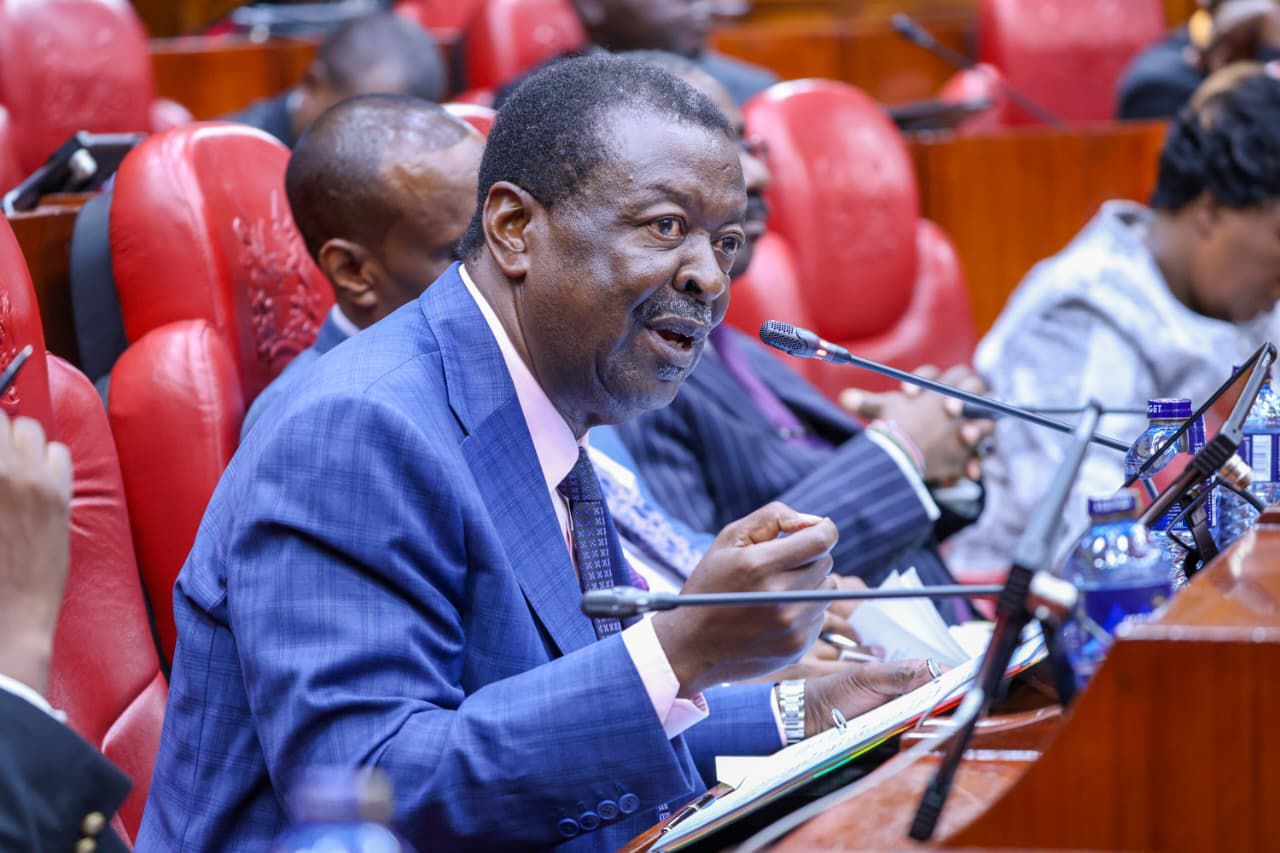
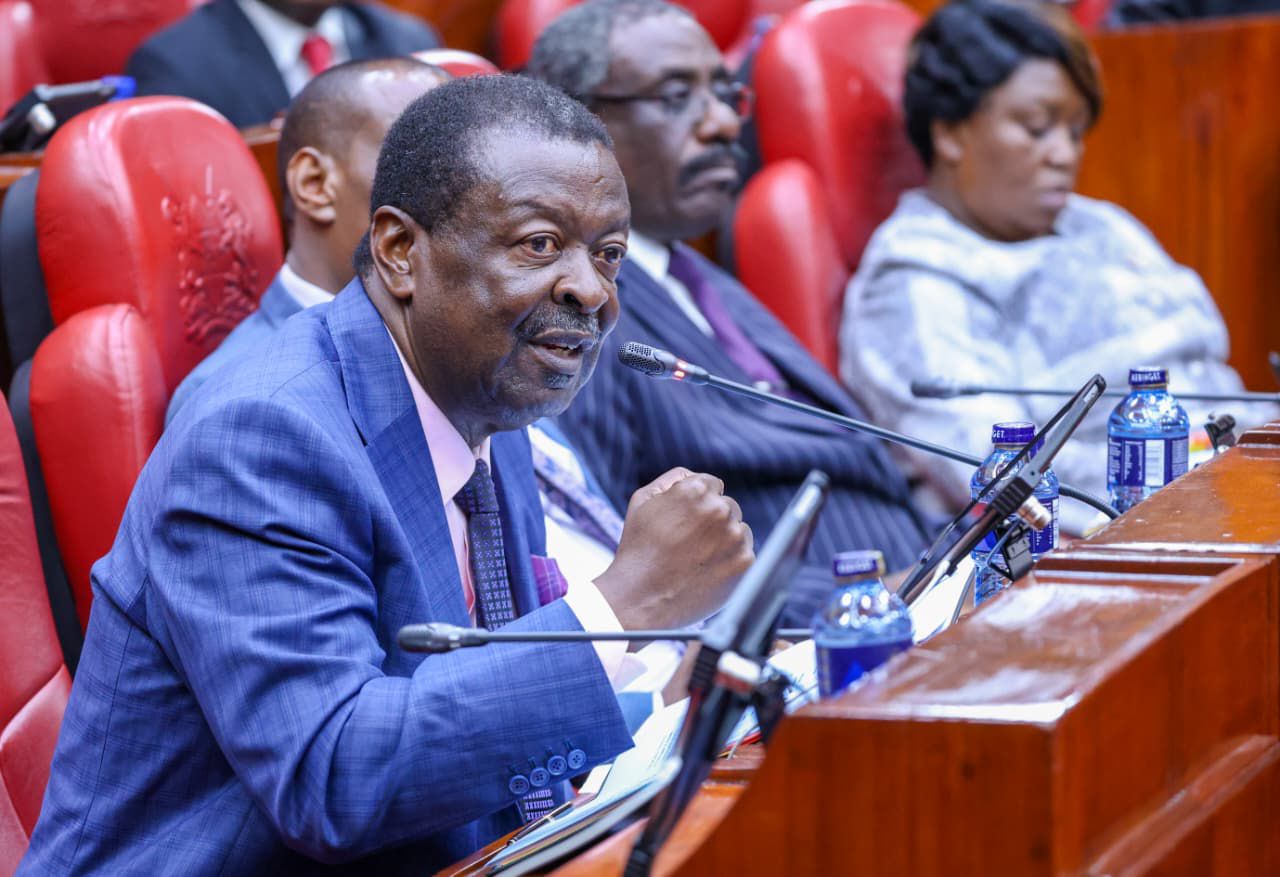
Prime Cabinet Secretary Musalia Mudavadi has defended the KSh80 billion cooperation agreement between the National Government and Nairobi City County, terming it a lawful and transformative framework designed to fix the capital’s long-standing infrastructure challenges.
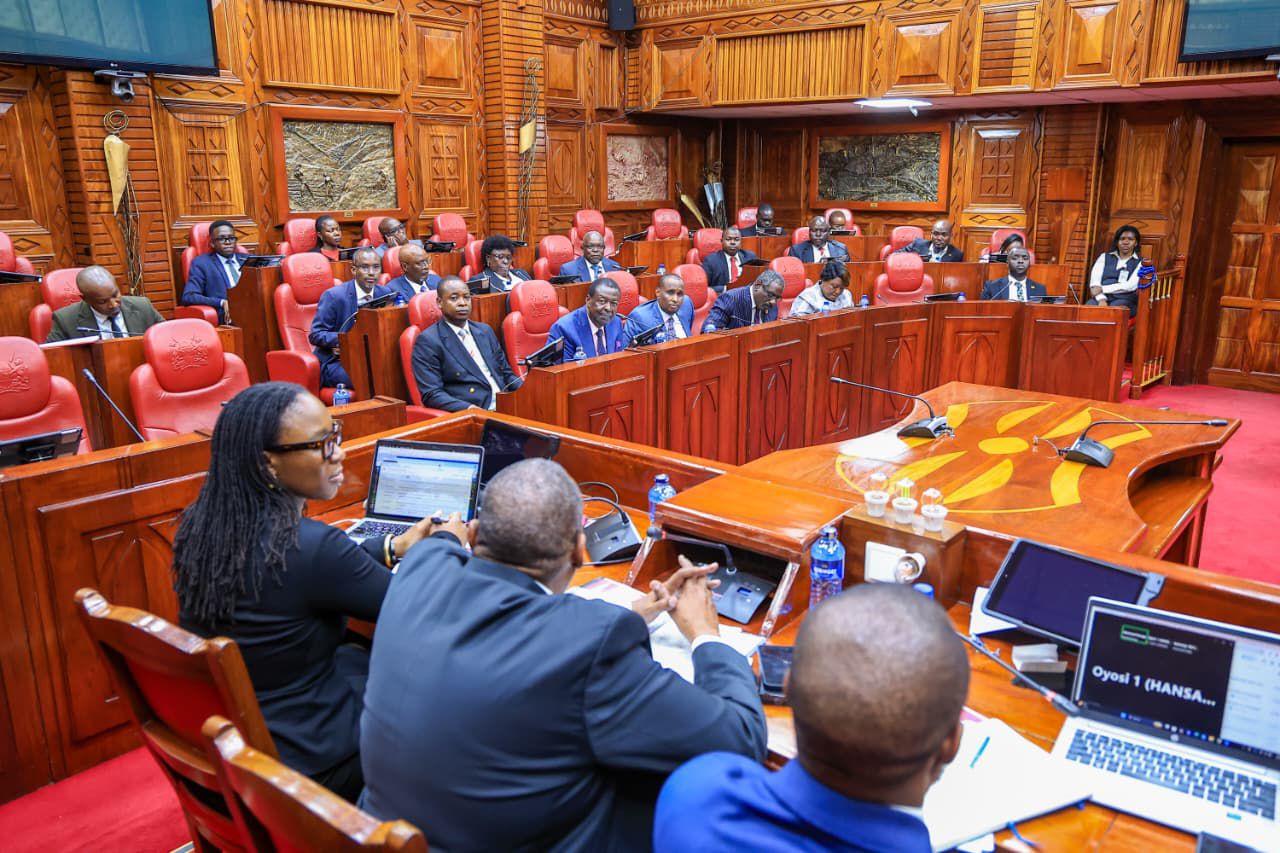
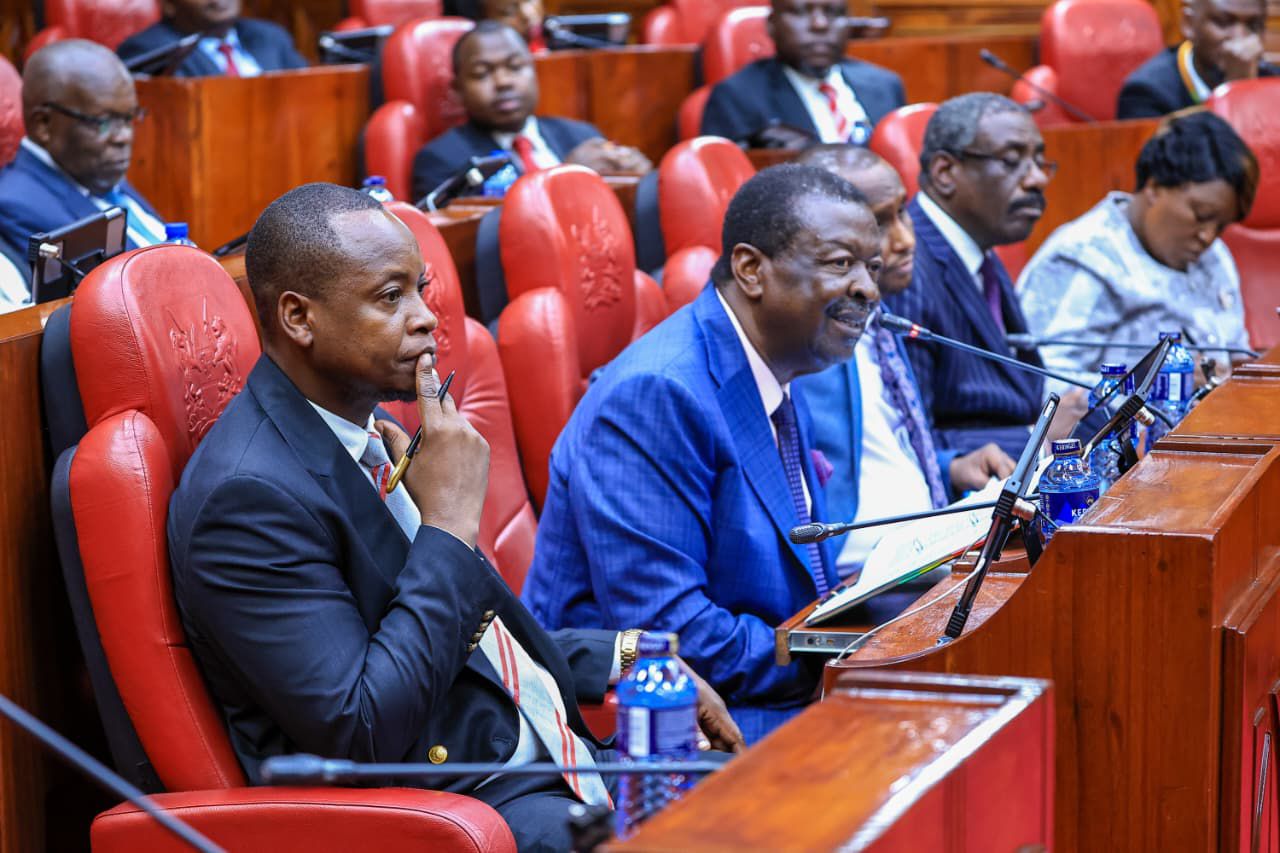
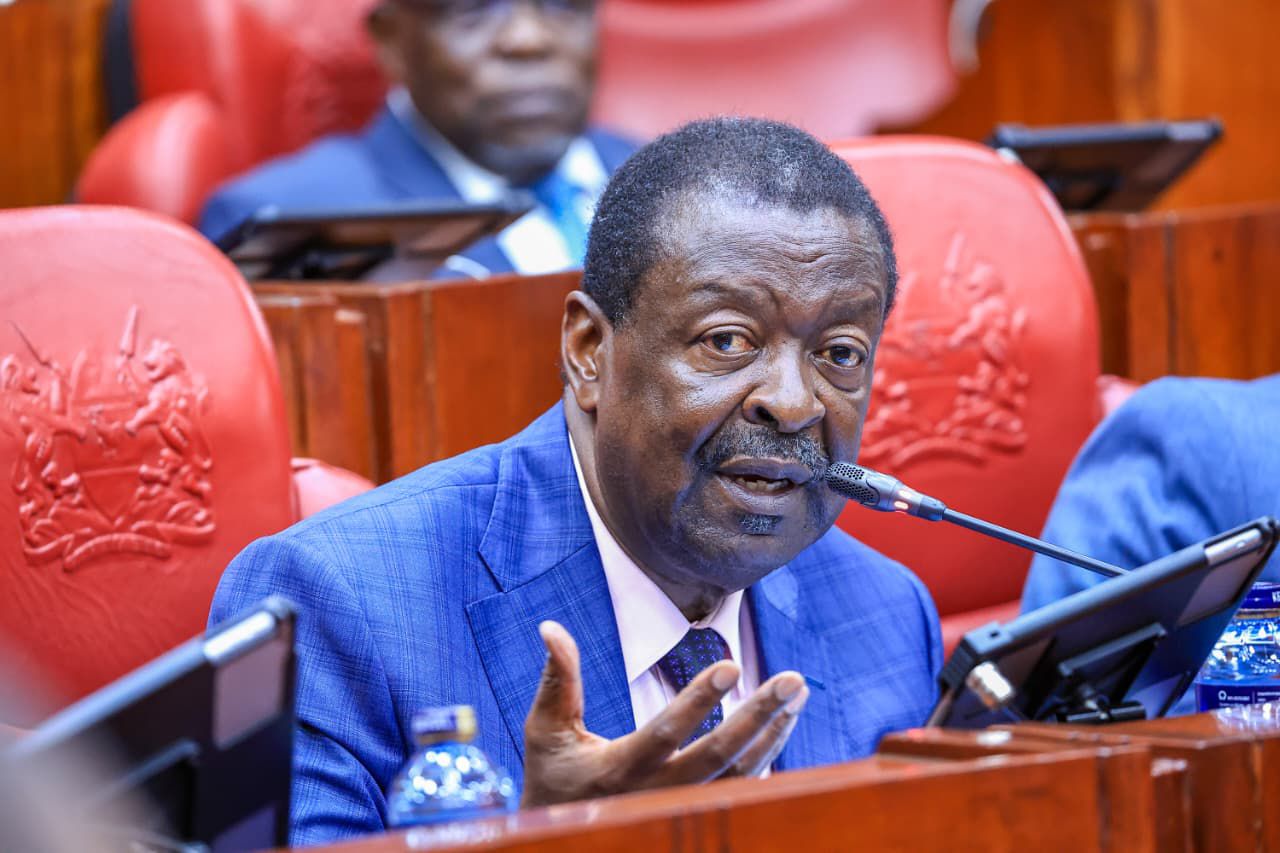
Appearing before the Senate Standing Committee on Devolution and Intergovernmental Relations, Mudavadi clarified that the agreement does not transfer functions from the county to the national government, but instead strengthens devolution through structured collaboration.
“The joint steering committee which I chair is not the implementing committee. We meet quarterly,” Mudavadi said on Monday, March 30. “Implementation is led by Governor Sakaja through a hands-on committee that works closely with technical teams from both the national government and City Hall.”
He emphasized that the KSh80 billion allocation will be captured within the national government’s budget and implemented strictly in line with the Public Finance Management (PFM) Act.
“All projects under this agreement are within the law. There is full compliance with the PFM Act,” he stated.
Mudavadi noted that the cooperation framework will run for two years, with the possibility of extension based on performance and outcomes. He anchored the deal in Section 6 of the Urban Areas and Cities Act, insisting it is both legal and necessary to fast-track Nairobi’s development.
“This is not a takeover. It is a partnership to elevate Nairobi to the standards of a modern international city,” he said.
The KSh80 billion package outlines a wide range of priority projects aimed at improving service delivery across the capital. Key allocations include KSh3.7 billion for the installation of approximately 50,000 street lights, KSh1.5 billion for electricity connections in informal settlements, and KSh3.3 billion for settlement upgrading through prepaid metering, transformers, and lighting. The plan also sets aside KSh2.1 billion to boost water supply in areas such as Ng’ethu, Gigiri, and Shauri Moyo, alongside KSh33 billion for major sanitation and sewer infrastructure, including expansion works and a new treatment plant.
Further investments include KSh8.7 billion for roads, bridges, and drainage improvements, and KSh6 billion for enhanced solid waste management systems. A major highlight is the KSh50 billion earmarked for the Nairobi River regeneration programme, targeting restoration of the river corridor and surrounding infrastructure. In addition, plans are underway to enhance urban security, with the establishment of a Nairobi Metropolitan Police Unit expected within 60 days.
The Prime Cabinet Secretary pointed to key projects already outlined under the agreement, including a major allocation of over KSh25 billion for drainage improvements to address perennial flooding, as well as enhanced street lighting and widespread road recarpeting down to the ward level.
“The problems of this city are historical. This cooperation will address both current and long-standing issues, including drainage along the Nairobi River,” Mudavadi added.
He also underscored the importance of accountability, stating that the national government’s role is to support not override county leadership.
“Devolution flows within this agreement. We are supporting it. It is now the responsibility of the Governor to deliver with the support provided,” he said.
Meanwhile, the implementation committee chaired by Governor Sakaja has already convened three meetings at City Hall to finalize budgets and project timelines. Early works are underway, including drainage upgrades along the Nairobi River and road recarpeting in several areas.
The County is also set to launch an end-to-end garbage repurposing initiative in April, aimed at improving waste management and sustainability in the city.The National Government will support by footing 30% of the cost while Nairobi County Government will pay 70%