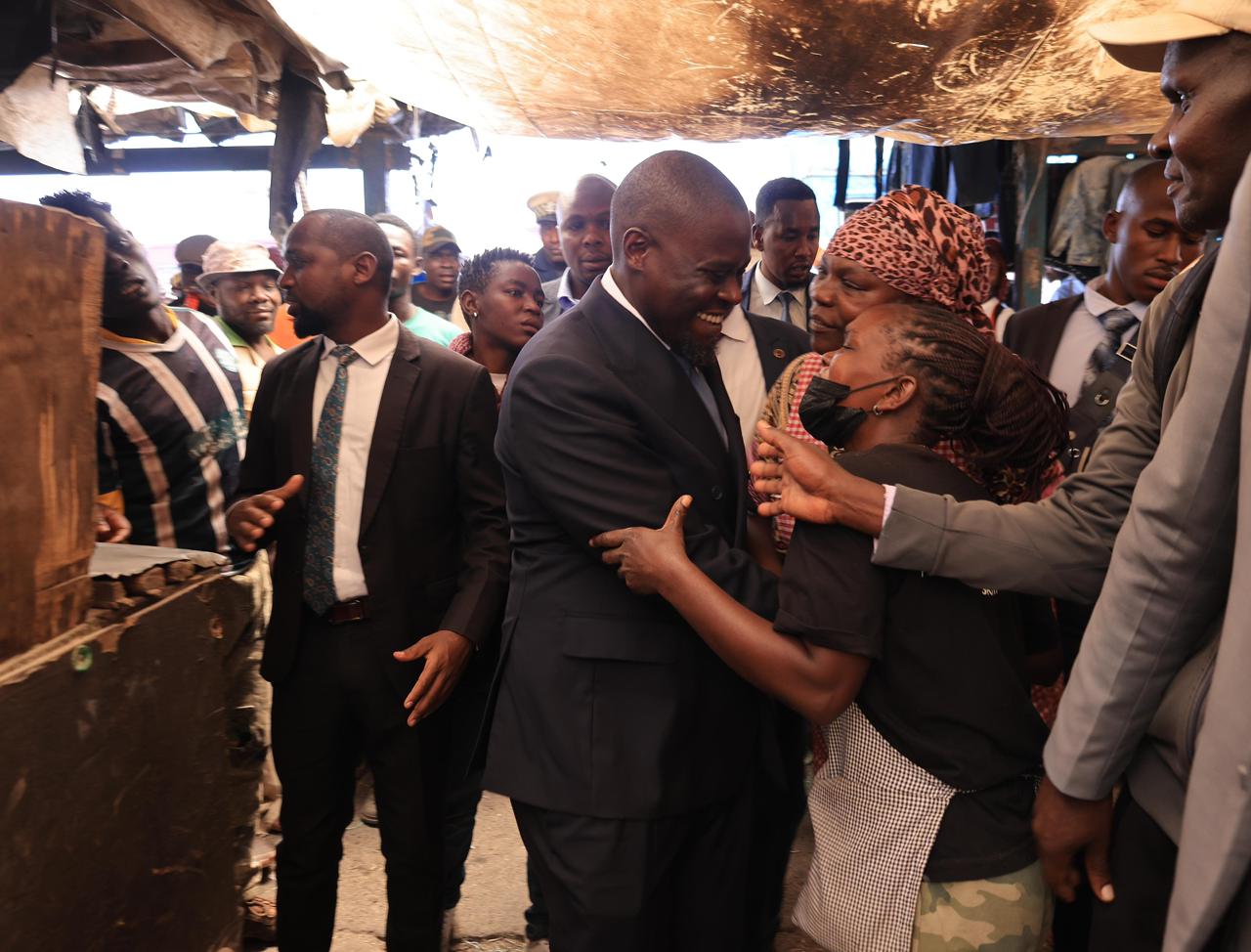
Governor Johnson Sakaja on Wednesday, January 21 toured Wakulima and Muthurwa markets, just a day after meeting traders alongside President William Ruto at State House Nairobi, signaling rapid action to resolve long-standing challenges in the city’s key trading hubs.
Accompanied by several Nairobi leaders, the Governor engaged traders on the ground and addressed pressing concerns, notably congestion caused by trucks delivering goods into the markets.
Sakaja announced plans to open a dedicated access road to ease traffic flow, improve safety, and restore order in the busy markets.
“We heard the traders clearly yesterday, and today we are here to act,” Sakaja said. “Opening an access road will decongest Wakulima and Muthurwa, improve safety, and allow traders to do business without unnecessary disruption.”
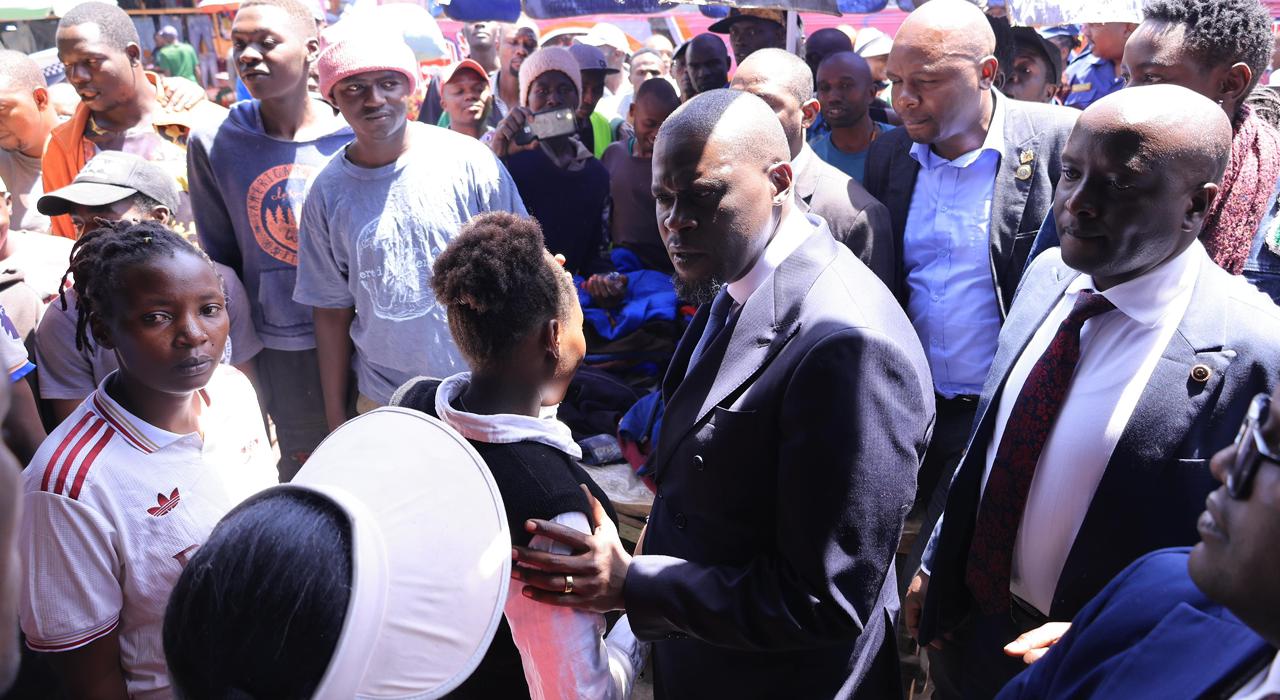
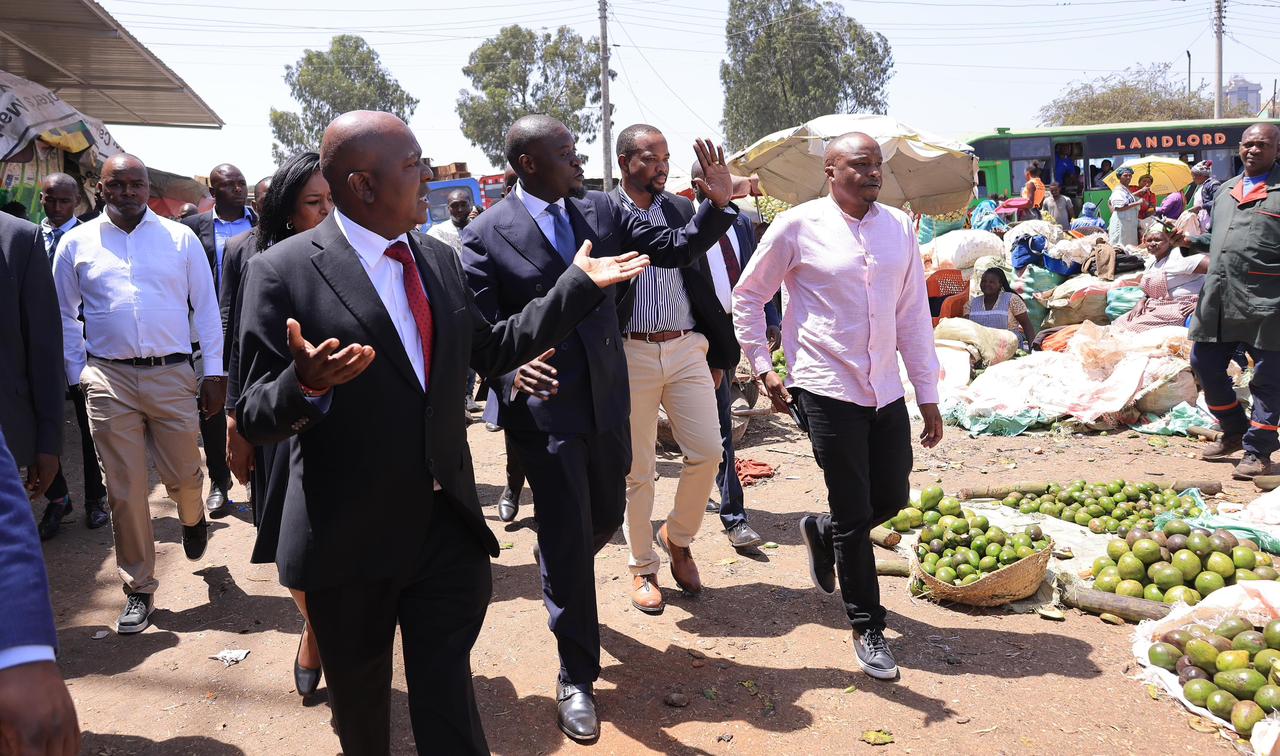
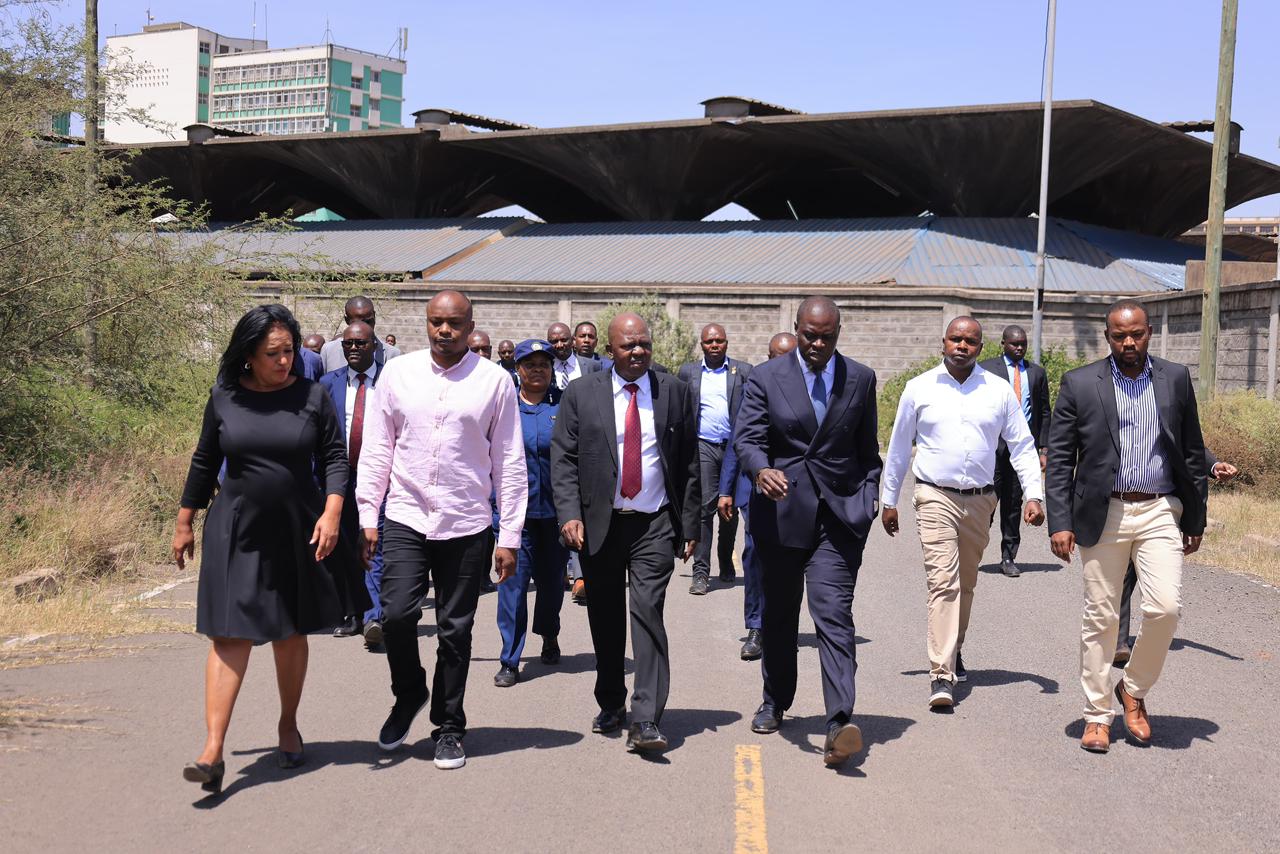
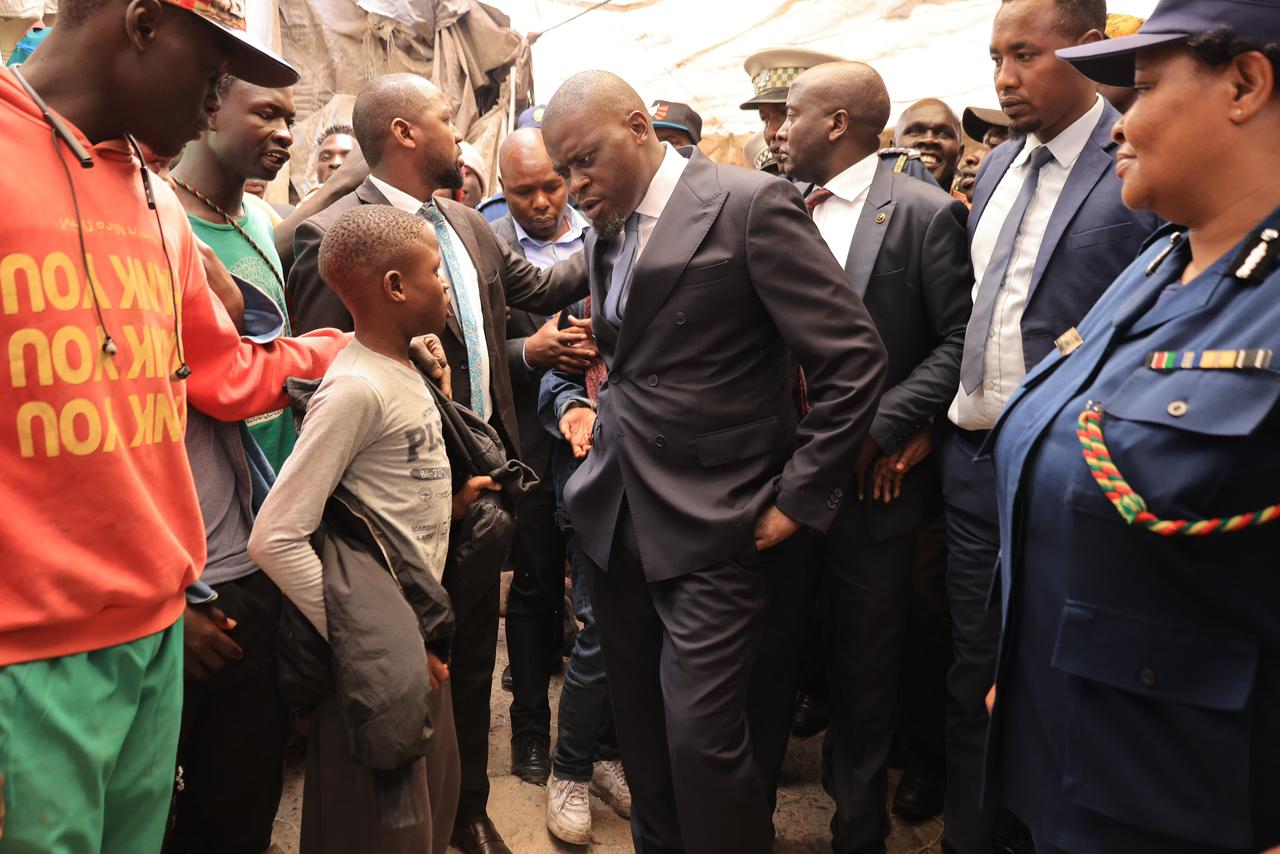
In a major boost to the decongestion plan, Philip Mainga, the Managing Director of Kenya Railways, agreed to reopen the acess road from Wakulima through the City Stadium, creating a loop that will ease congestion on Haile Selassie and Landhies roads.
“This is about coordination across government,” the Governor added. “With support from Kenya Railways and other national agencies, we will unlock space and modernize how these markets operate.”
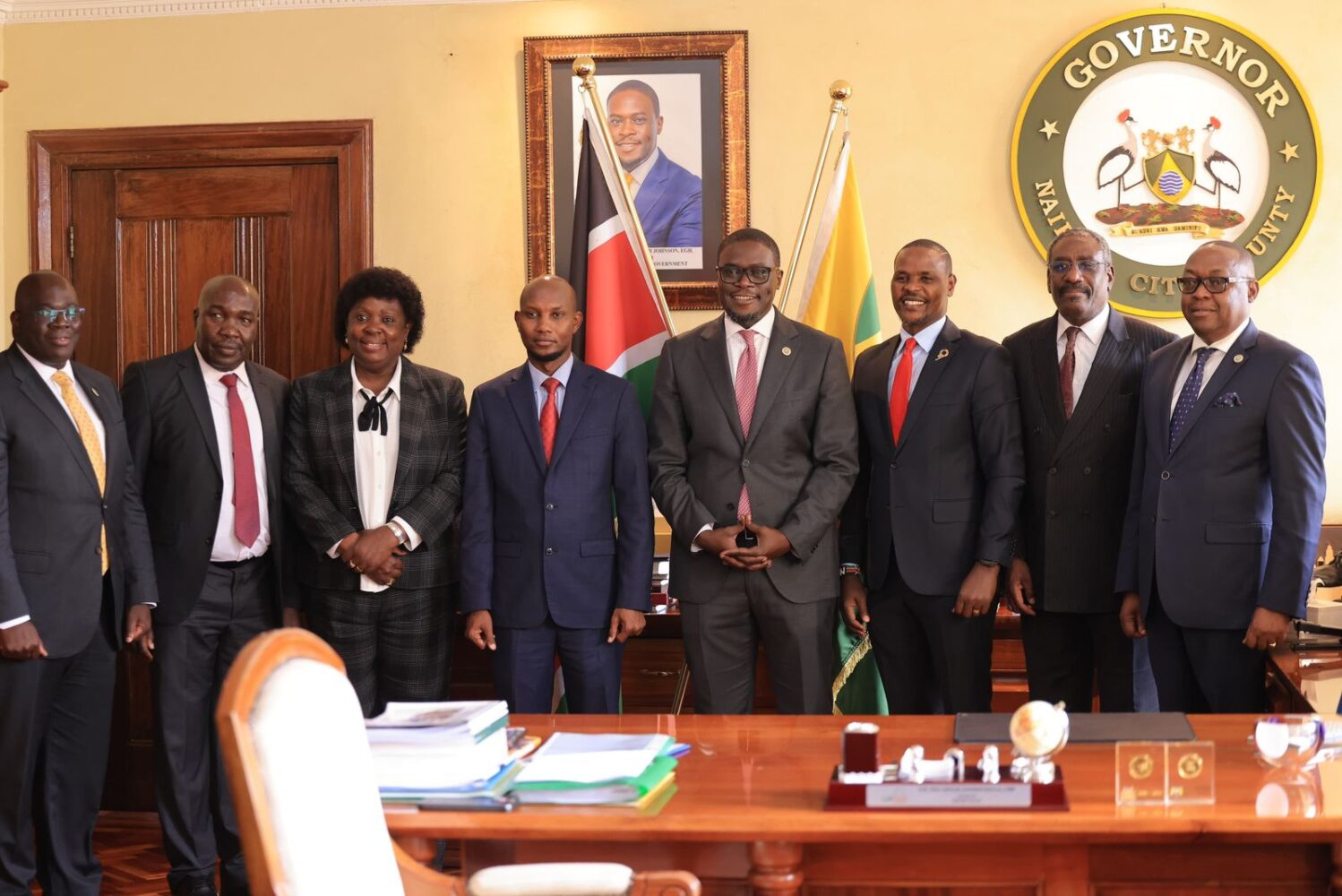
Among the leaders who accompanied the Governor were Nairobi Woman Representative Esther Pasaris, Nairobi Regional Commissioner Charles Njagua, the Kenya Railways Managing Director, and Principal Secretary Nixon Korir.
The tour followed a high-level meeting held at State House on Monday, where the President, Governor Sakaja, and other leaders met chairpersons and committee members from markets across Nairobi.
Represented markets included Kangundo Road, Wakulima, Muthurwa, Burma, Kangemi, City Park, Othaya Market (Woodley/Jamhuri), Kawangware, and Gikomba.
Discussions at the meeting focused on a KSh7.2 billion investment earmarked for the construction of 15 new markets across the capital. Of these, eight are currently under construction, while seven have either been awarded tenders or are at advanced procurement stages.
Power and water shortages also featured prominently, with leaders agreeing on a coordinated plan to stabilize utilities in markets.
In addition, the national and county governments committed to rolling out a comprehensive waste and garbage management strategy aimed at improving hygiene and public health.
“Our commitment is clear,” Sakaja said. “We are investing in modern markets, fixing water and power challenges, and putting in place a sustainable waste plan so that traders can thrive in clean, dignified spaces.”
The Governor assured traders that the county government would maintain close engagement to ensure all agreed interventions are implemented without delay.