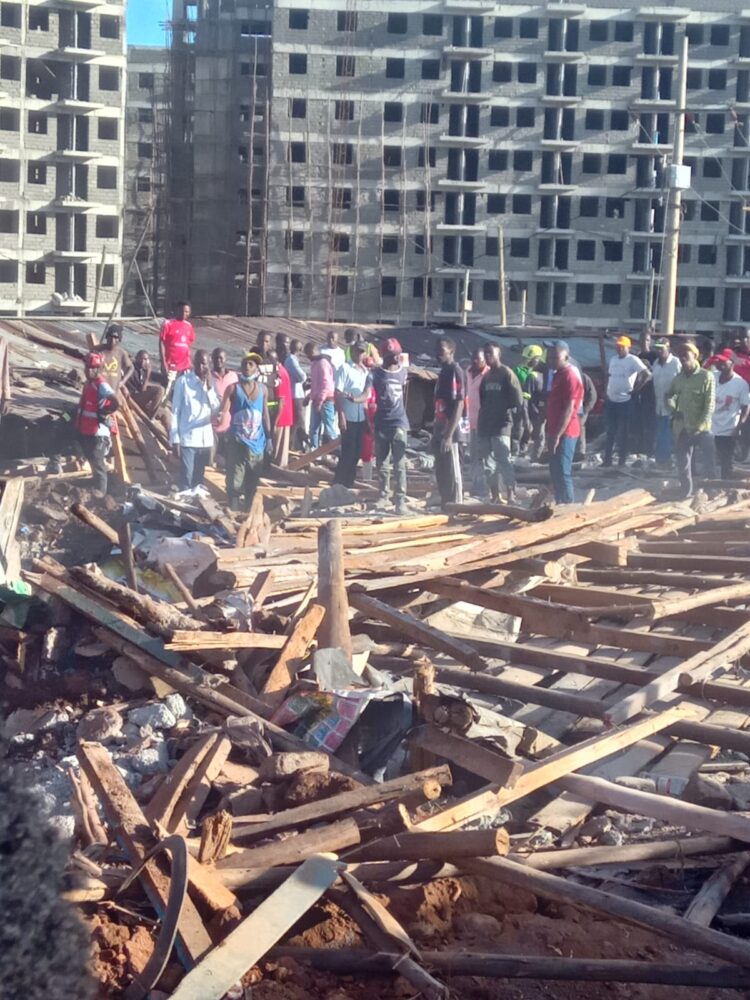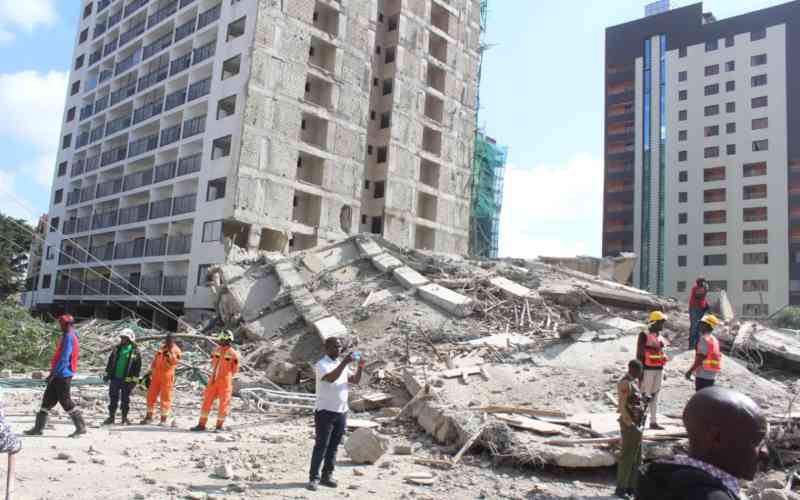
The indemnity form signed by developers upon receipt of approval of their building plans by Nairobi City County has emerged as a central document in ongoing investigations into the South C building collapse, clearly outlining where legal responsibility lies.
Under the mandatory indemnity form, the developer — and his registered architect and engineers –assumes full responsibility for the safety and structural integrity of the project, indemnifying the county and the County Structural Engineer against any claims arising from collapse, injury or loss of life.
The document explicitly states that approval of drawings does not transfer liability, placing the developer firmly at the centre of accountability as the multi-agency probe unfolds.
The indemnity form requires developers seeking construction approval in Nairobi to take full legal responsibility for their buildings from design through completion. By signing it, developers agree to shoulder liability for structural failure, design errors, construction defects and non-compliance with approved plans. It further binds developers to engage only qualified and registered professionals, strictly adhere to approved drawings, the Building Code and applicable by-laws, ensure proper site supervision, and submit mandatory material test results including concrete tests to county engineers.
“These provisions are designed to safeguard public safety and prevent developers from hiding behind regulatory approvals,” Governor Johnson Sakaja reiterated on Monday, January 4.
Amid the investigations, Governor Sakaja renewed calls for the return of prosecutorial powers to county governments, warning that enforcement efforts are often weakened once cases reach the prosecution stage.
Speaking during a visit to the collapsed site, he said counties can issue stop orders, make arrests and flag violations, but many cases stall in court. He argued that restoring limited prosecutorial authority would enable swift action against rogue developers and help prevent tragedies linked to illegal or non-compliant construction.
“This building did not collapse out of nowhere,” the Governor said, noting it had been flagged multiple times by county enforcement teams. He added that some developers obtain initial approvals using qualified architects and engineers, only to sideline them during construction in favour of cheaper, unqualified alternatives a practice he said frequently leads to unsafe buildings.
Sakaja urged all professionals in the built environment sector to always notify their professional bodies and the county government when a developer drops them from a project after receiving approvals using their names.
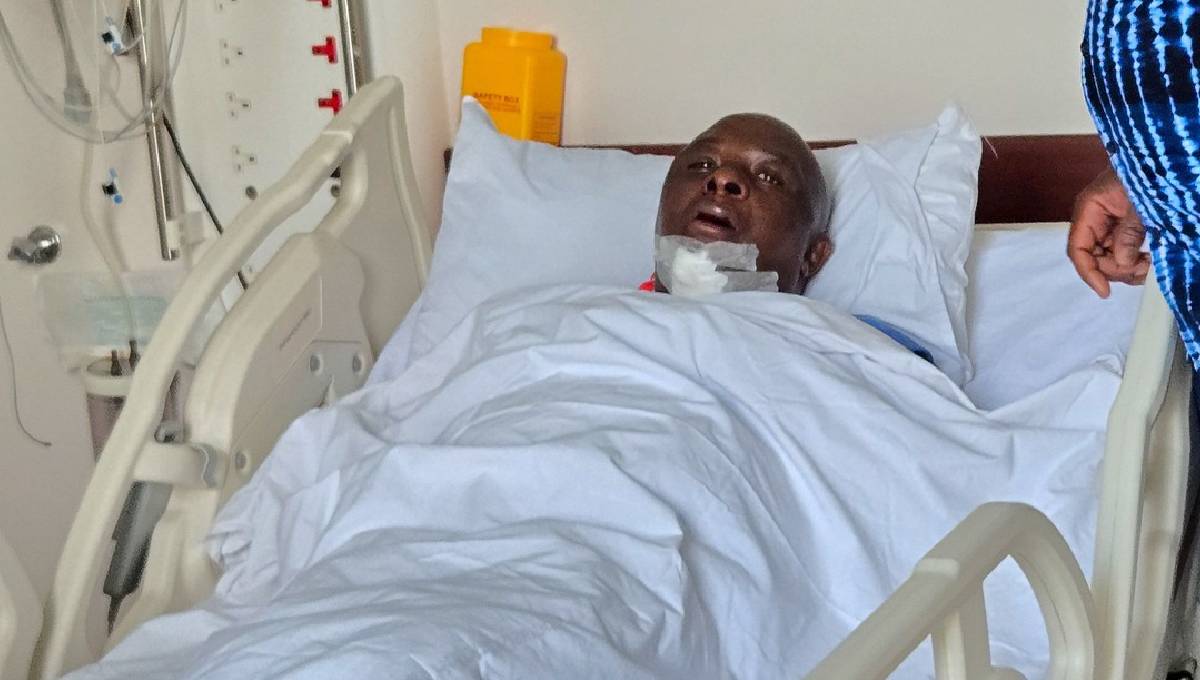
Sakaja conveyed his condolences to families who lost loved ones and assured them that investigations are ongoing, stressing that accountability must be followed through to its conclusion to protect lives and restore confidence in the construction sector.