
A journey to hospital that once involved navigating potholes and slowing down to avoid damaged sections is becoming easier for residents along the Timboroa–Meteitei–Kopere corridor.
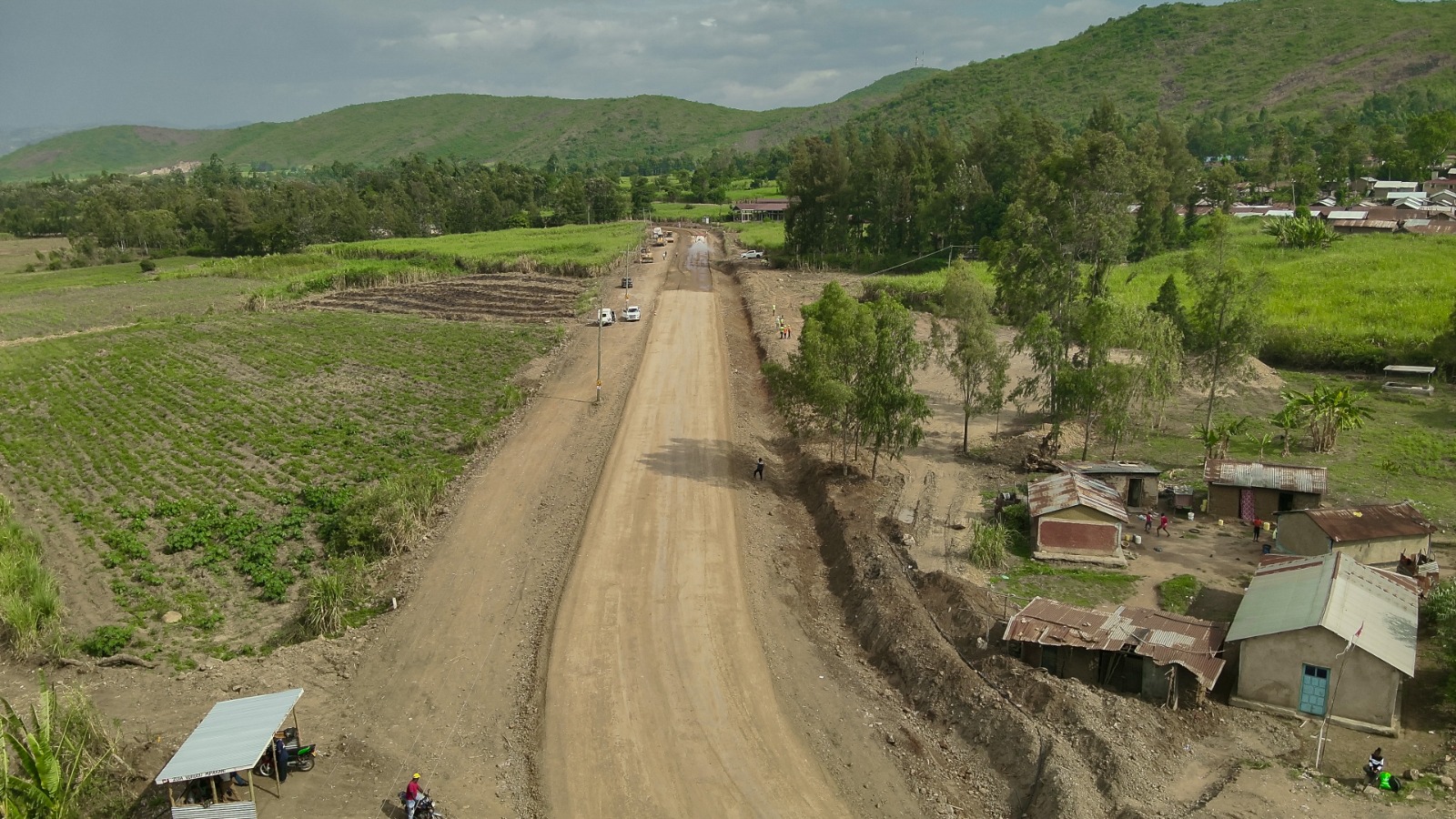
The transformation of the 63.2-kilometre road from a gravel surface to bitumen standard is improving movement between communities, making access to healthcare, education and other essential services more reliable.
Sheila Chepchirchir, who works on the road project, says the difference is already being felt by motorists and residents who previously struggled with poor road conditions.
“The road has helped us a lot. It used to be full of potholes, but now it is in good shape,” she says.
She recalls how journeys between Maraba Hospital and Nandi Hills were previously slowed by damaged sections that forced drivers to manoeuvre around potholes. The improved road has made such trips considerably easier.
The change is particularly important in rural areas where reliable transport can determine how quickly patients reach medical facilities and how easily families access other essential services.
Sheila also points to developments around Maraba Hospital, including the construction of a new maternity wing, as part of the wider changes taking place in the area. Improved road access strengthens the connection between communities and such facilities.

The road begins at Timboroa Junction along the A104 and passes through Meteitei and Songor before reaching Kopere. It also serves public institutions, including Taptengelei College, while connecting residents to markets and other centres.
Engineer Joseph Muange, who is overseeing the project, says the works involve upgrading the original gravel road to bitumen standard to improve mobility and support economic activity.
The project has achieved 80 per cent physical progress against 74 per cent of the contract period elapsed, putting the contractor ahead of schedule.
A total of 46 kilometres have been tarmacked, leaving 17.2 kilometres to complete the 63.2-kilometre stretch.
“The contractor is ahead of schedule and is going to complete the project before the completion date of the contract,” Engineer Muange says. The contractual completion date is 12 June 2027.
The road is also creating employment opportunities, with approximately 200 technical staff and casual labourers engaged in construction.For Sheila, the benefits extend beyond easier travel.
She says her earnings from the project have enabled her to pay school fees for her younger sisters and support her mother.She has also observed new roadside businesses selling vegetables, tomatoes and potatoes, supported by increased vehicle movement.
Engineer Muange says the project includes strict quality-control procedures. Completed layers are sampled and tested in the laboratory before construction proceeds. Any section that fails to meet the required specifications must be corrected.
After completion, the contractor will be responsible for addressing defects during a one-year notification period, followed by three years of performance-based routine maintenance.
As the remaining sections take shape, the road is strengthening the link between rural households and the services they depend on, making everyday journeys less difficult and more dependable.