

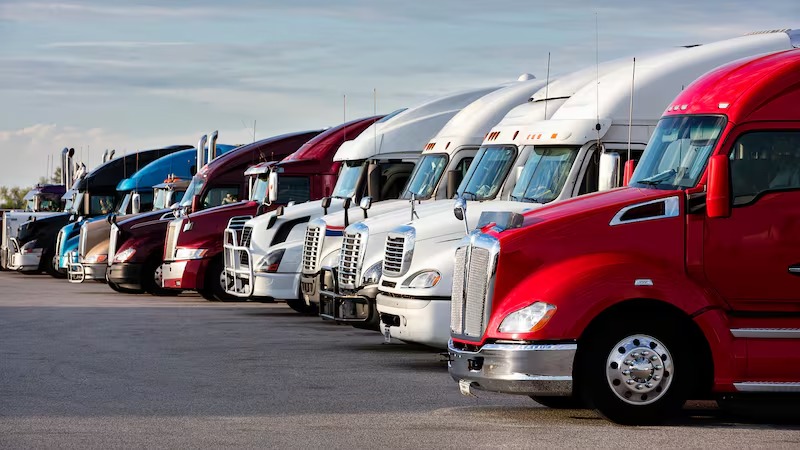
More than 2,000 immigrant truck drivers in the United States are already facing the impact following the implementation of a new federal rule that took effect on March 16, 2026, tightening regulations around commercial driving licenses.
The directive was introduced by the U.S. Department of Transportation and enforced by the Federal Motor Carrier Safety Administration, placing new restrictions on who can qualify for or renew a Commercial Driver’s License (CDL).
Under the updated guidelines, only immigrants under specific visa categories, including H-2A, H-2B, and E-2 visas, are eligible to obtain or renew their licenses, effectively locking out thousands of drivers who have been actively working in the sector.
Authorities maintain that the new rule is aimed at improving road safety and ensuring stricter compliance with transport regulations.
This includes enhanced verification of immigration status, tighter documentation requirements, and more standardised testing procedures for drivers across different states.
However, the move is already sparking concern within the logistics and transportation industry. Immigrant truck drivers form a significant part of the workforce responsible for moving essential goods across the country, from food supplies and fuel to construction materials and heavy machinery.
While the immediate number of affected drivers is in the thousands, industry analysts warn that the long-term impact could be far greater.
As existing licenses expire and remain non-renewable under the new rule, the U.S. could face a gradual reduction in its truck workforce.
This raises broader concerns about potential disruptions in supply chains, delayed deliveries, and increased operational costs, which could eventually be passed on to consumers.
The development now sets the stage for a growing debate, which is whether the push for stricter regulation and safety will outweigh the economic consequences of limiting a workforce that plays a critical role in keeping the country’s supply system running.